





- Twenty-two percent of African-American adults ages 40 and older had undetected eye disease in a cross-sectional study.
- Diabetic retinopathy (82%) and age-related macular degeneration (72%) were especially common.
- Over 60% of those with newly detected visual impairment could benefit from cataract surgery or eyeglasses, researchers said.
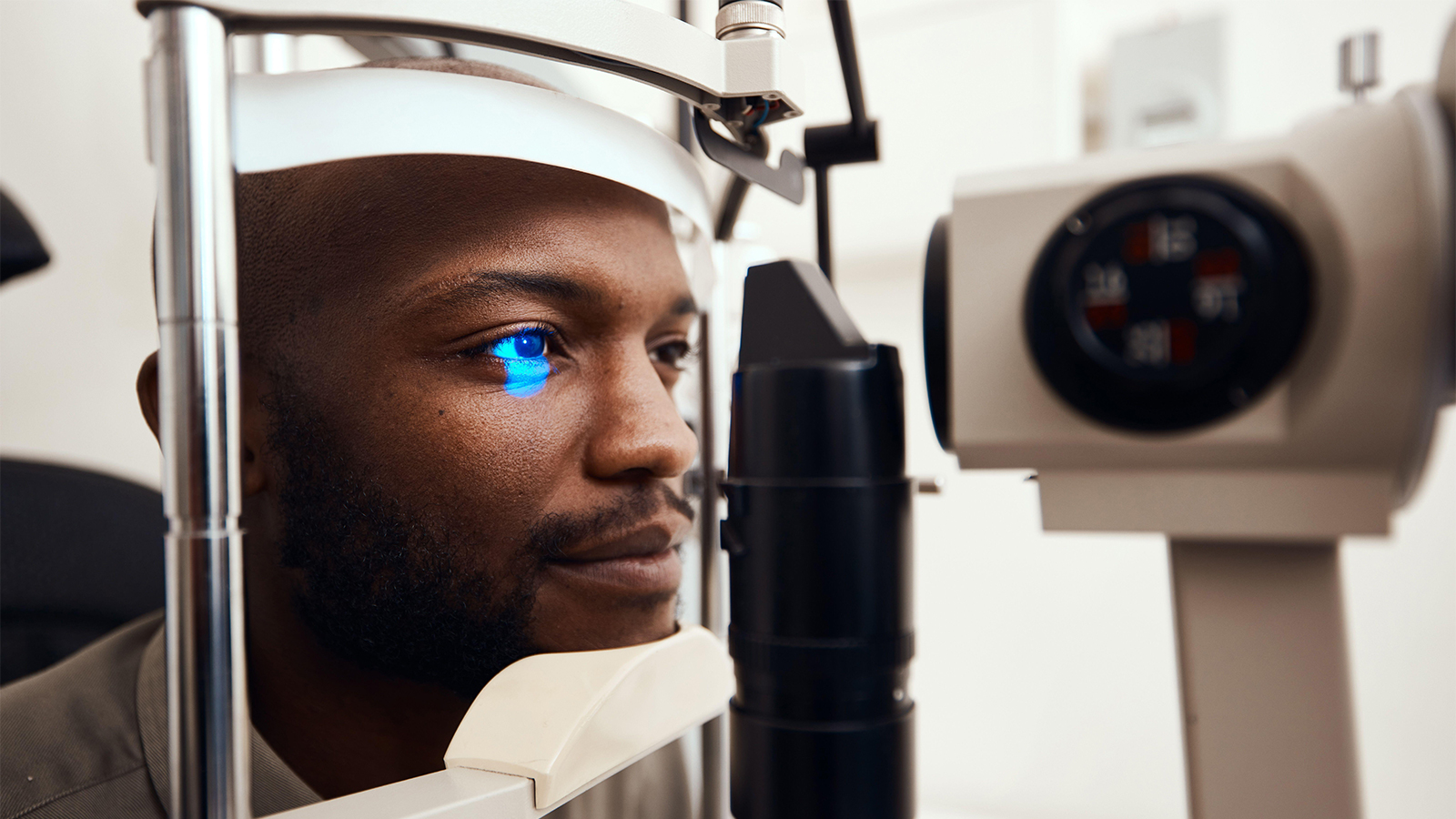
Nearly a quarter of African-American adults included in a population-based cross-sectional study had undetected eye disease.
Among 3,434 African-American adults ages 40 and older with eye disease in a Los Angeles suburb, 22% had undetected eye disease, with especially high rates of undetected diabetic retinopathy (82%) and age-related macular degeneration (72%), reported Rohit Varma, MD, MPH, of Southern California Eye Institute in Los Angeles, and colleagues in the American Journal of Ophthalmology.
Extrapolated nationally, the numbers suggest that 3 million African Americans in the U.S. could have undetected eye disease, the researchers noted.
“Individuals who self-reported poor or very poor vision often did not realize they had treatable eye disease, pointing to a gap in education and access,” Varma told MedPage Today, adding that 61% of the patients with newly detected visual impairment would benefit from cataract surgery or eyeglasses.
According to Varma, African Americans have a high rate of visual impairment and are especially likely to develop open-angle glaucoma, diabetic retinopathy, and cataracts, as well as type 2 diabetes and hypertension, which can raise the risk of eye disease.
Even so, they’re “less likely to receive regular eye exams and often face barriers to care, including cost, transportation, and distrust in healthcare systems,” he said.
In this study, the major risk factors for undetected eye disease included having diabetes (OR 3.52, 95% CI 2.92-4.26), never having had an eye examination (OR 1.75, 95% CI 1.14-2.65), having had an eye examination more than 5 years ago (OR 1.66, 95% CI 1.19-2.31), having poor or very poor general vision (OR 1.89, 95% CI 1.58-2.27), and trouble getting glasses (OR 1.57, 95% CI 1.28-1.94; all P<0.0001).
Varma highlighted several strategies to address undetected eye disease:
- “Screen aggressively in high-risk populations, especially among African Americans with diabetes, poor vision, or no recent eye exams.”
- Ask about barriers to access and address them. “Cost, availability of glasses, and frequency of exams matter,” he said.
- Understand that “employment status, insurance gaps, and perceived health strongly correlate with undetected eye disease.”
- Try to build trust with patients while considering the factors that promote distrust of the medical system.
- Support community-based screening programs in underserved neighborhoods.
Victoria L. Tseng, MD, PhD, of the University of California Los Angeles Stein Eye Institute, told MedPage Today that “the present findings are consistent with previous literature that there is a high prevalence of undetected disease in the African-American population.”
Moving forward, she said, “targeted interventions to inform individuals with diabetes of the importance of an eye exam or implementation of streamlined referral systems in primary care offices for eye examination could help improve rates of screening for chronic and potentially vision-threatening eye conditions.”
For this study, Varma and colleagues included self-identified African-American participants 40 years and older from 30 contiguous census tracts in Inglewood, California. Of the 3,434 with eye disease, 65.9% were women, 36.9% were college graduates, 39.2% were married or lived with a partner, and 50% were retired. Thirty-two percent were ages 60-69, 26.1% were 50-59, 22.6% were 70-79, 10.9% were 40-49, and 8.1% were 80 and older.
Of those with eye disease, 24.9% had a history of diabetes, and 59.5% had a history of hypertension.
Other risk factors for undetected eye disease included male gender (OR 1.41, 95% CI 1.18-1.69) and unemployment (OR 1.63, 95% CI 1.25-2.11).
Varma and team noted that their cohort was “broadly representative” of the U.S. African-American population ages 40 and older. The participation rate was 80%, and the socioeconomic and demographic characteristics, such as income, insurance coverage, and education, were comparable to African Americans in Los Angeles County and nationwide.
However, Varma said that it’s hard to compare the findings in this population against other ethnic groups due to lack of similar data.
The researchers also said that their reliance on self-reported responses was a limitation. They did not examine ancestry admixture, “which is needed for a better understanding of the burden of eye disease and refractive error in this population.”
Disclosures
The study was supported by the National Eye Institute.
The authors had no disclosures.
Tseng disclosed research funding from Research to Prevent Blindness and the American Academy of Ophthalmology.
Primary Source
American Journal of Ophthalmology
Source Reference: Dhablania N, et al “Burden and predictors of undetected eye disease in adult African Americans: African American Eye Disease Study (AFEDS)” Am J Ophthalmol 2025; DOI: 10.1016/j.ajo.2025.07.013.


