

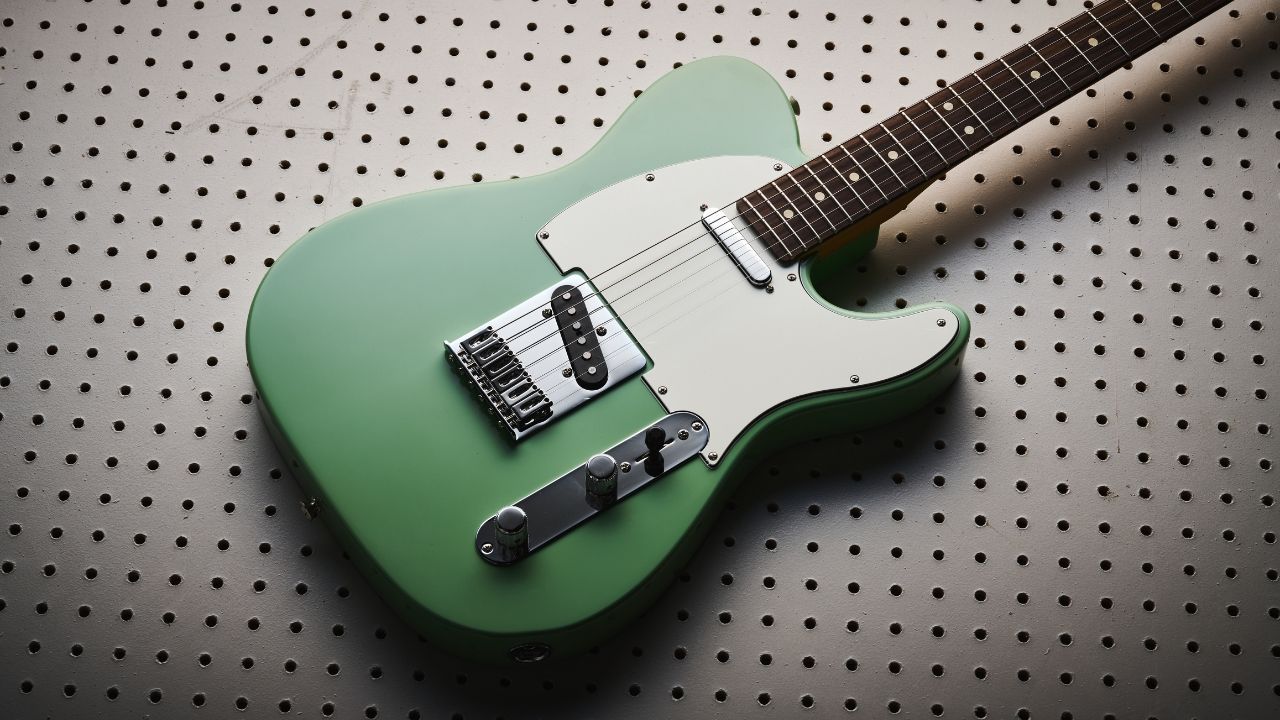
So long as you can overlook his reluctance to install truss rods, a stubborn attachment to two self-sabotaging wiring schemes, plectrum obstructing bridges, spiky saddle screws and a superfluous bridge cover, Leo Fender famously got everything right the first time round.
With our tongues firmly pressed against our cheeks, however, we readily acknowledge that Leo nailed all the important bits.
The Telecaster is all things to all guitarists, and of all the classic guitar models, it’s arguably the best platform for modifications.
1. Switch up your switch
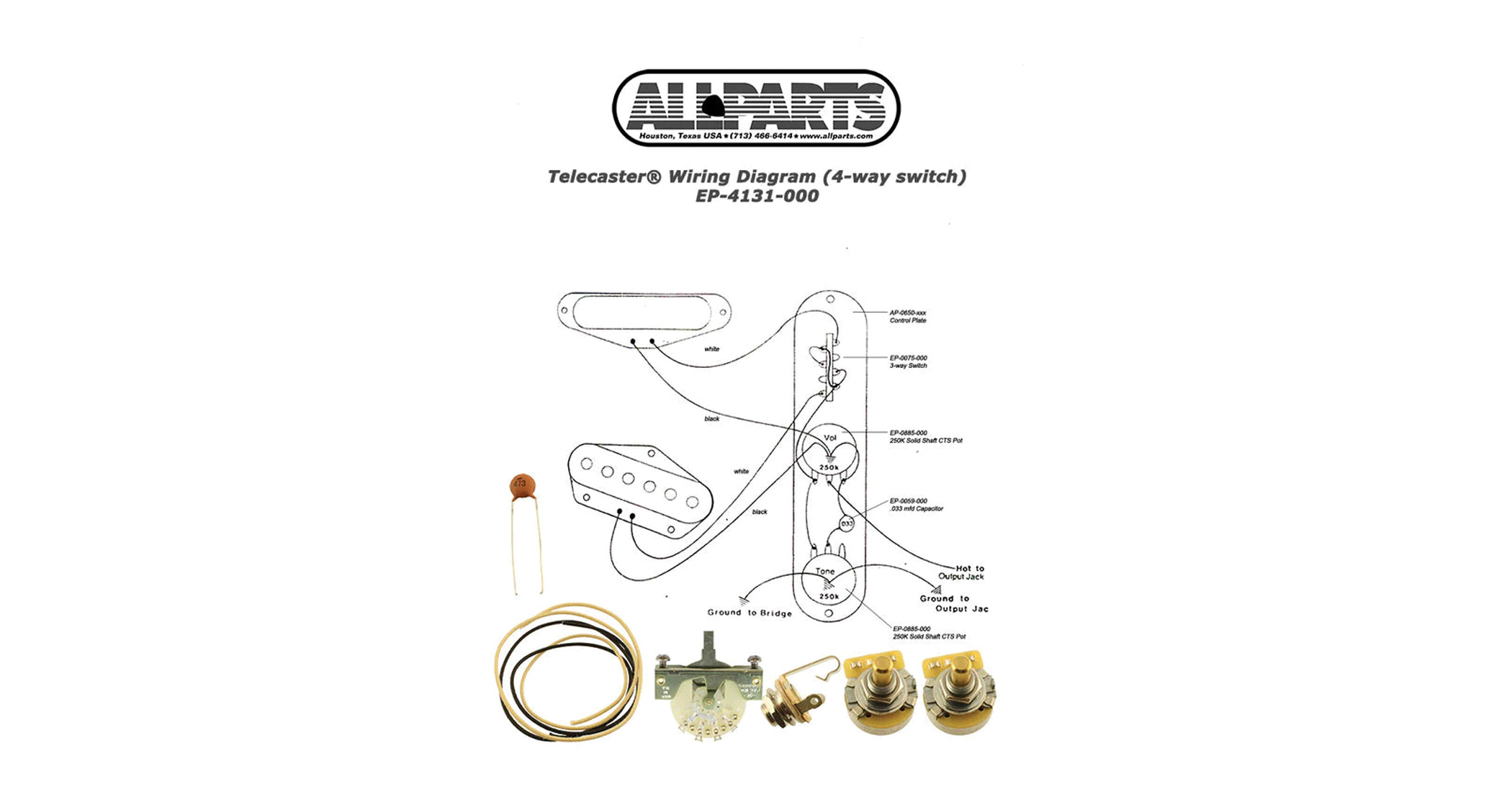
There are a few different ways to combine two pickups, and installing a four-way or five-way switch makes it easy to access them all. The stock middle setting puts the pickups in parallel, but the extra option on a four-way switch can combine them in series, like humbucker coils, for a beefier and louder tone. A five-way switch makes an out-of-phase setting possible, too.
Rather than change the stock switch, you can instead change one or both of the stock potentiometers to push/pull or push/push switch pots to achieve the same results. Search online for wiring diagrams, like the one below, adapted from Allparts’ Wiring Kit For Tele Mod (4 way switch).
2. Try a vintage rewire
Rewiring the controls for neck/both/bridge switching with master volume and tone controls was probably the earliest Telecaster modification. Broadcaster, Nocaster and early Telecaster controls were configured for ‘neck with a preset treble roll-off’ and ‘both pickups individually with no tone control’. The second knob was wired as a ‘blend’ control for the neck and bridge when the switch was in the back position.
The second version, which lasted until 1968, retains the muffled neck setting with both pickups active in the middle position, and bridge only in the rear position. There is renewed interest in the earlier circuits, and wiring schematics are available online if you fancy trying them.
Rather than rewire your existing controls, order up a second control plate and the requisite parts, or buy a pre-assembled ’plate so you can exchange circuits depending on your mood. Swapping controls is quick and easy thanks to the Tele’s modular design.
3. Get a thicker neck tone with the Eldred Esquire mod
With stock Esquire wiring, Fender attempted to give owners three distinct tones from a single-pickup guitar. The neck position had a preset treble roll-off, the middle connected the pickup to the tone control, and in the back setting the tone control was out of circuit for that wide open Esquire sprang.
The front position was always way too dull-sounding, so Fender Custom Shop employee Mike Eldred devised a wiring mod to give this position a thicker cocked-wah P-90-ish tone, along with improved cut-through. Tele players can get that biting Esquire tone by installing a no-load tone potentiometer.
4. Swap in a top-loader bridge
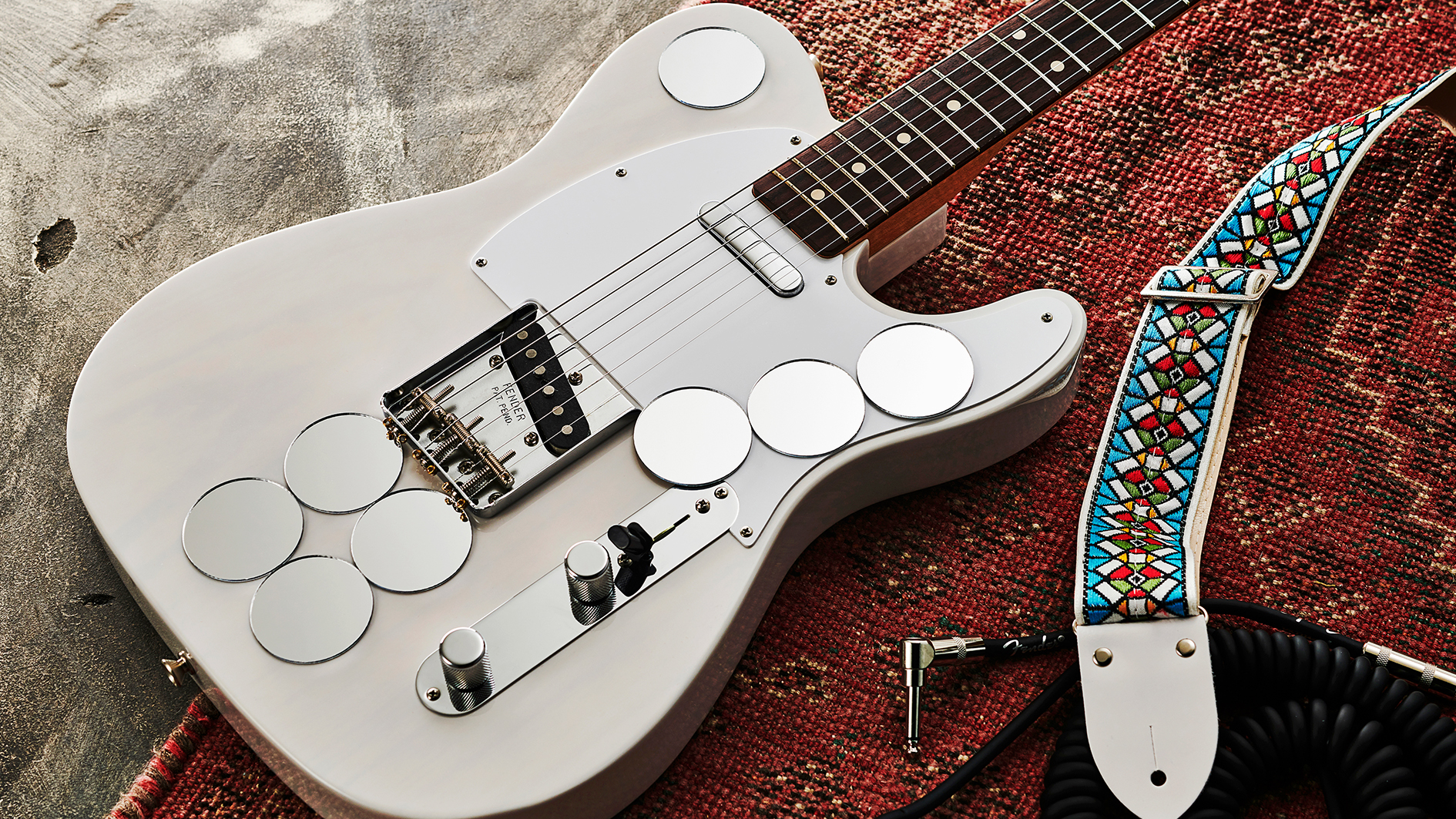
Jimmy Page and Jim Campilongo fans might consider trying a ‘top loader’ bridge. Between 1958 and 1959 Fender used bridges with six holes drilled adjacent to the intonation screws to anchor the strings. This was a simpler and cheaper alternative to making bodies with holes and ferrules for through-body stringing.
Some equate top-loader Teles with twangier tone and a slinkier feel, and it’s easy enough to drill six holes in the back of your bridge if you want to try this. You can also experiment with top-loading the wound strings and loading the plain strings through the body – or vice versa.
5. Reposition your control knobs
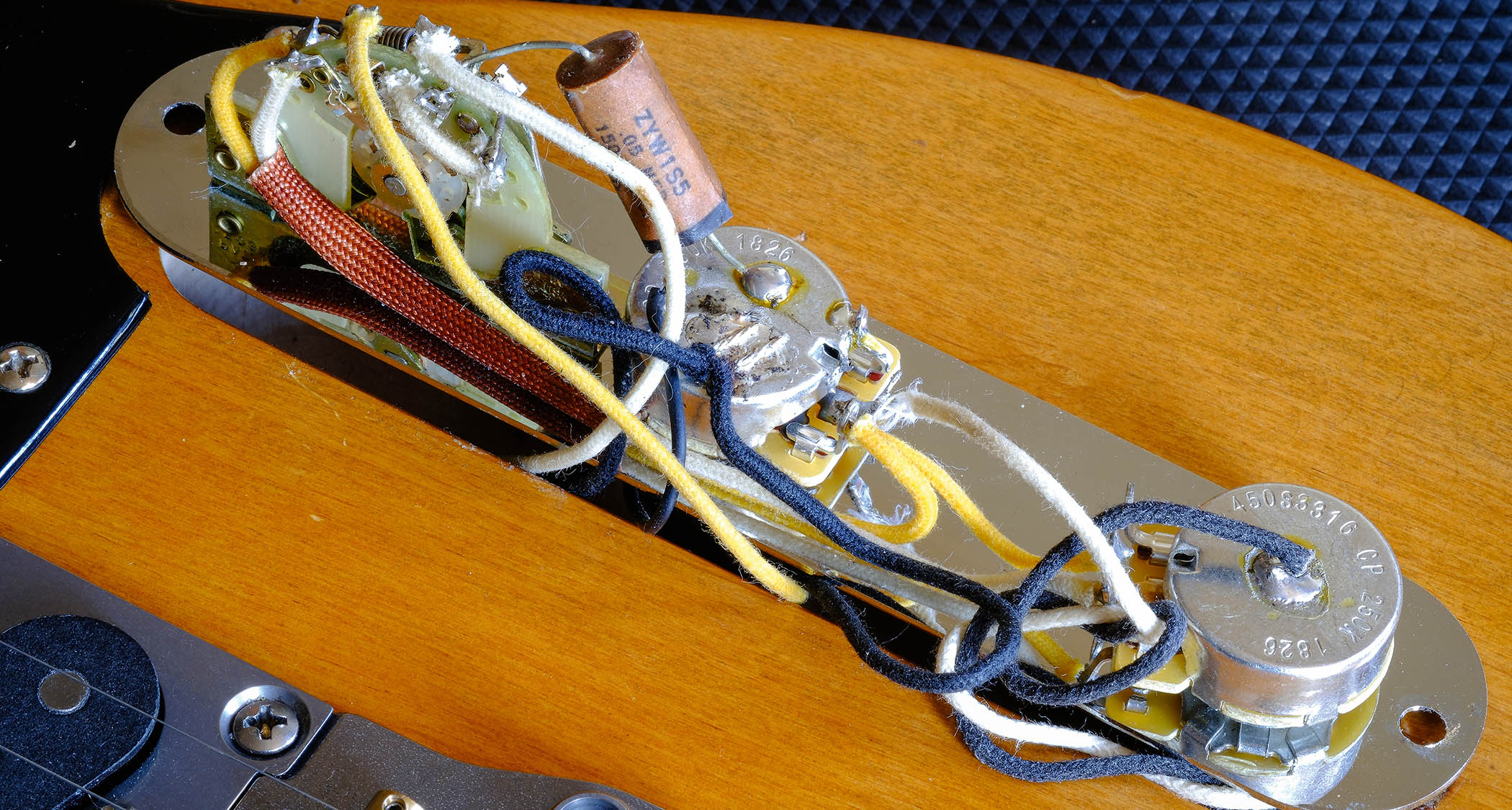
The Fender company was fairly responsive to player input during the early days, and the Stratocaster’s control layout was clearly an attempt at improved ergonomics over the Telecaster. Fortunately, Tele players are no longer stuck with the classic configuration.
Rockinger offers a control plate with the volume knob shifted towards the tone control so it’s out of the way of the switch. You can also buy ’plates with an angled slot to make pickup switching a bit smoother.
Blank ’plates are available for you to drill your own holes with the knob positions and spacing you prefer, and maybe a three-way toggle switch. A more traditional mod involves flipping the stock ’plate to bring the controls within easier reach for Bill Kirchen-style swell trickery – but don’t forget to reverse the control pots and flip the switch over, too.
6. Sort that jack socket
How-to install Socket Jackplate for Telecasters – YouTube
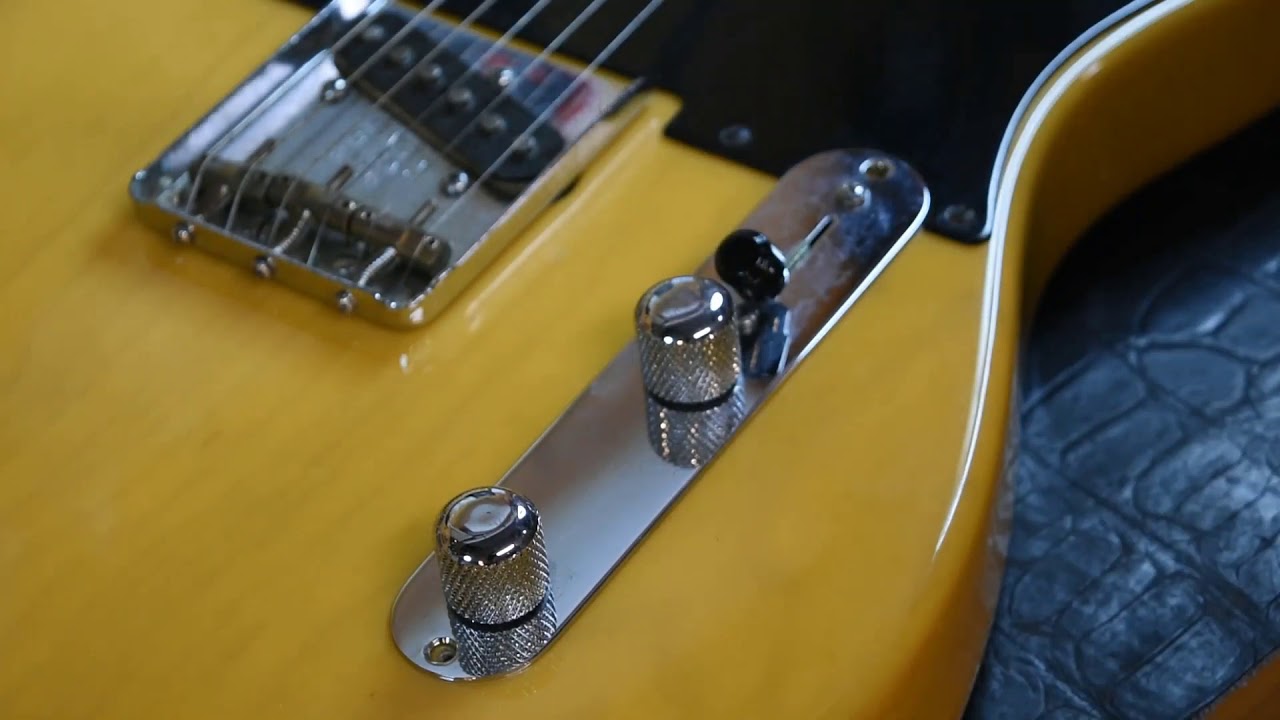
Fender’s earliest jack cups were individually milled and friction-fitted into bodies, but they must have been costly to make. A cheaper pressed cup was introduced with a sort of ‘butterfly’ clip that opened out as the jack socket nut was tightened to grip the sides. This idea turned out to be the worst of both worlds because they’re tough to remove when you need to get them out and prone to falling out when you need them to stay put.
Plenty of modern Telecasters still have them and they can be a liability. The Retrofit Jackplate offers a permanent solution because two diagonal countersunk screws fix it onto the body, and jack sockets screw straight into the cup. Retrofitting one requires no soldering; all you need is a screwdriver and you can choose between aluminium, chrome, nickel, black and gold. It’s also a fully reversible mod.
7. Improve your Tele’s intonation
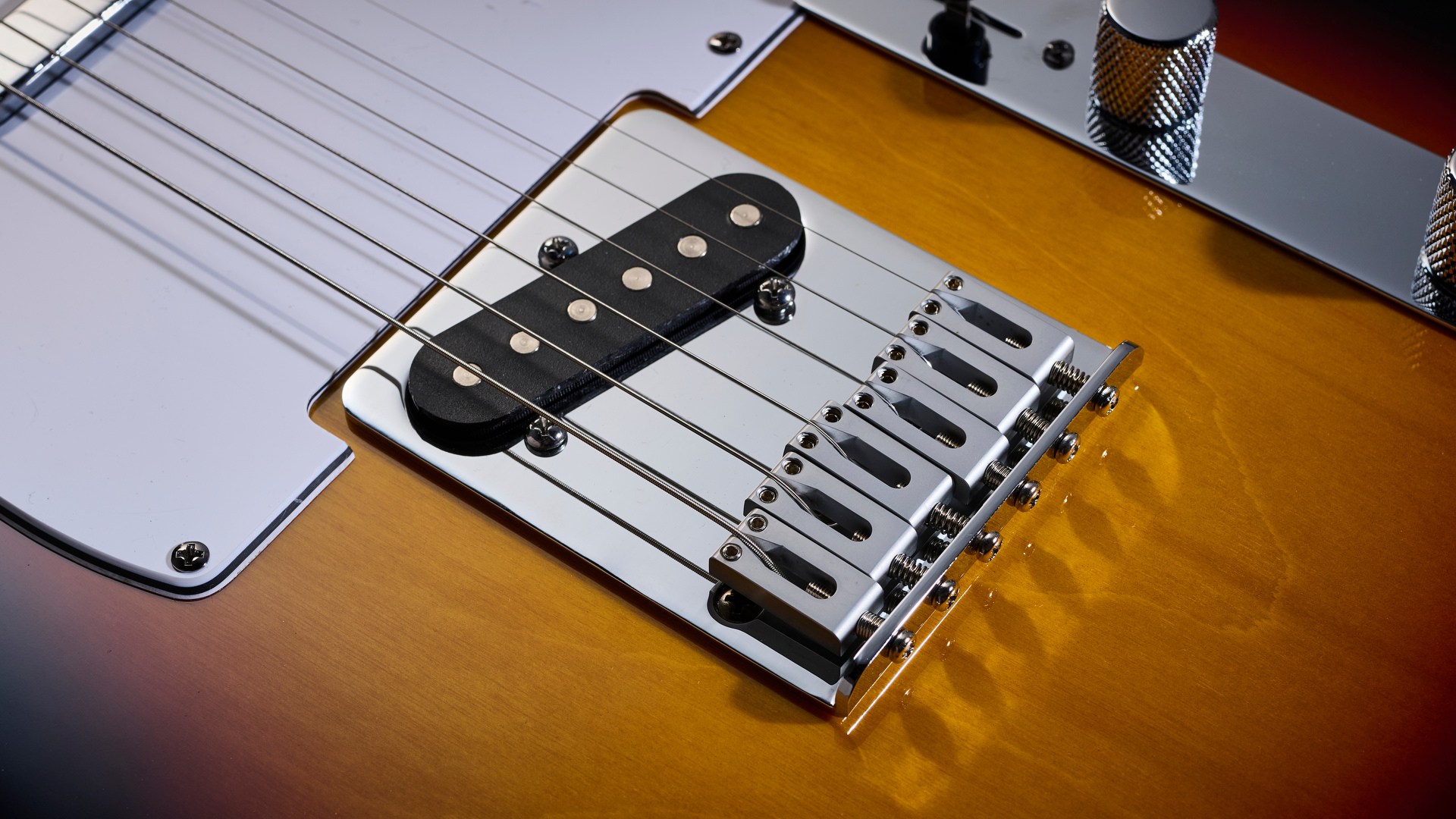
Although Tele purists might insist that three saddles are the best choice for tone, it’s harder to make the case when it comes to intonation. Pragmatic players may opt for a six-saddle bridge conversion, but there are options if you prefer the look and sound of three saddles.
Various companies offer slanted saddles that may look wonky but can improve intonation. For finer control, check out the swivel saddles offered by Mastery and Wilkinson. If you prefer the square saddle look, staggered notched saddles from Wilkinson, Gotoh, Glendale, Rutters and others can provide a workable compromise.
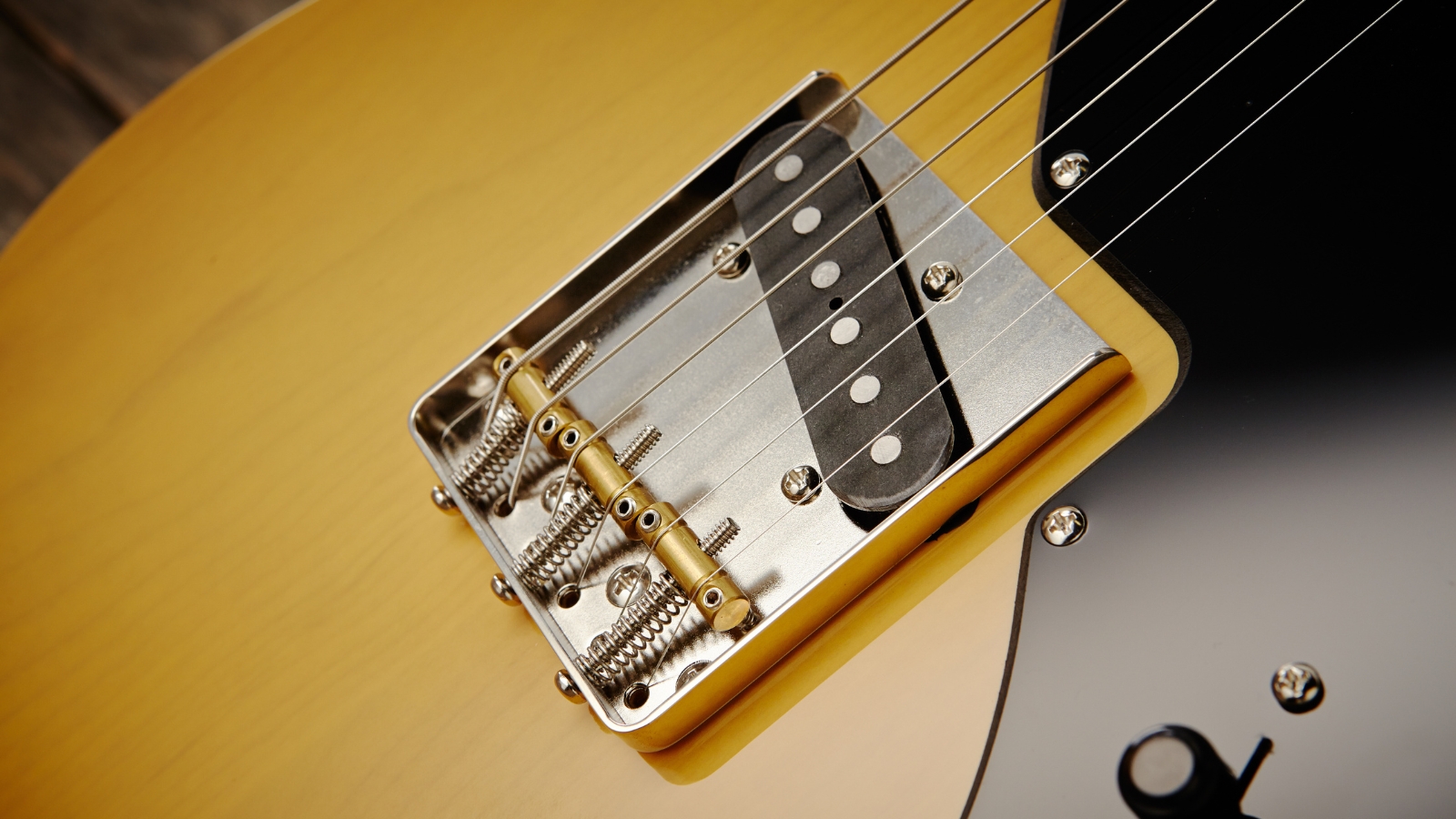
Making a Telecaster sound good unplugged can improve its plugged-in tone, too, and saddles can play a crucial part in that. Vintage Telecaster variants were all fitted with a surprisingly wide variety of saddles over the decades, in a variety of materials and sizes. You could try Broadcaster spec 5/16-inch diameter steel or brass, or the later ¼-inch brass and steel saddles.
Modern options include twangy but mellow aluminium and brighter-sounding titanium. You may also consider whether notches might help to stabilise spacing and prevent string slide. There are some very high-quality but expensive options out there, but you can also find saddle sets for around £15 on eBay.
If you’re thinking of trying a different type of saddle, buying one of these cheap sets will allow you to see if you like the tone change before shelling out for a fancier version. Brass tends to sound thicker and darker, while steel is zingier and more biting. Some players enjoy a mixture of both to bolster the plain strings while keeping the low strings twangy and snappy.
9. Add a chopped bridge for better picking access

Players have often complained about the raised sides of vintage-style bridges obstructing their picking, so bridges with scooped sides – or no sides at all – offer potential solutions. Vintage-spec bridges are chrome-plated steel, but brass and aluminium can provide different tone, twang and sustain characteristics.
Chopped bridges can be mounted using the regular screw spacing and they allow the bridge pickup to be mounted directly onto the body. This may reduce squeal if rubber screw spacers and placing dampening foam under the induction plate have failed to cure the problem.
10. Buy a Bigsby
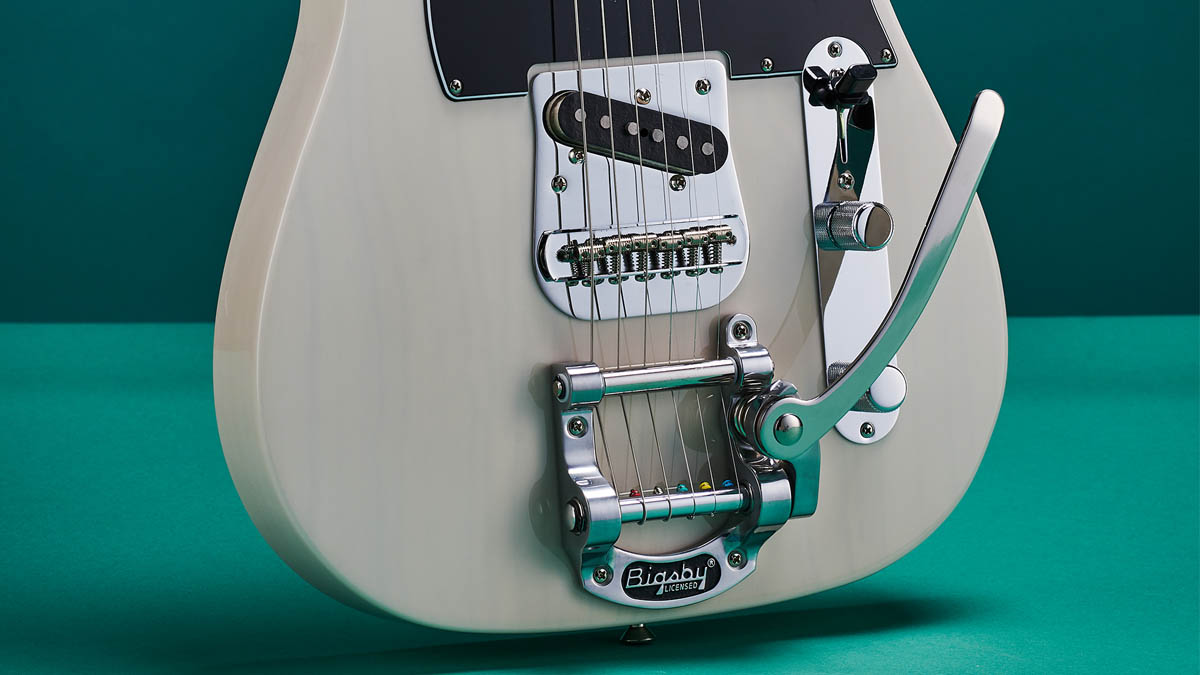
Leo Fender and Paul Bigsby were well acquainted, and by 1953 Bigsby had developed a vibrato specifically for Telecasters. The B16 kit replaces the stock bridge entirely and includes a 3/16-inch aluminium shim for the neck pocket to compensate for the raised bridge pickup.
The B16 is still available, along with Bigsby’s B5 kit, which features a front roller, a redesigned bridge plate and a six-saddle rocking bridge. Fitting a B5 requires drilling holes for the bridge posts, but if you want to avoid extra holes, check out the fully reversible Vibramate V5-TEV Stage II B5 Bigsby mounting system.
12. Go the B-bender rout
Fender Custom Shop 1957 Telecaster B-Bender Relic Masterbuilt by John Cruz, Honey Blonde – YouTube
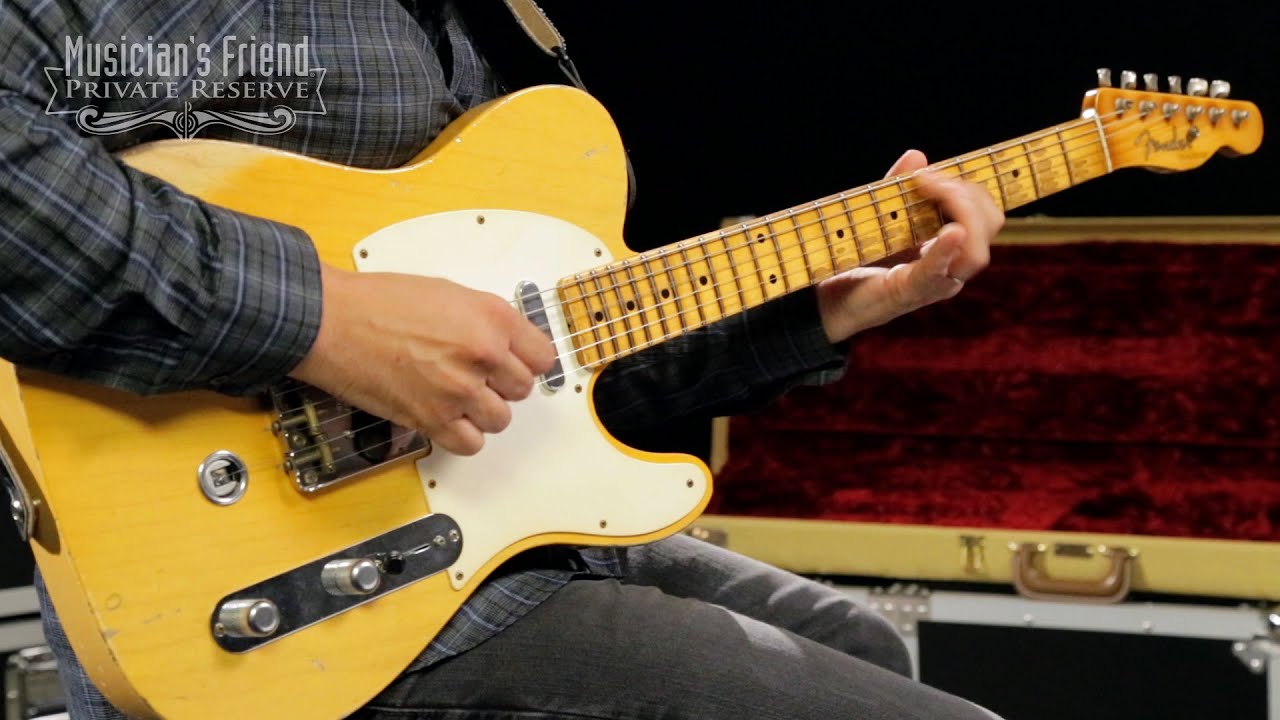
Pedal steel licks and Telecasters are a perfect match, but they can be tough on the fingers. Country rock pioneer Clarence White collaborated with his Byrds bandmate Gene Parsons to create the Parsons/White string bender.
Requiring extensive body routing to install it, this mechanical device had a strap button at the neck end and was operated by pulling the neck down to raise the pitch of the B string by a tone.
The current Parsons Green system is lighter and less cumbersome. Neither the Hipshot String Bending System, which can be operated via the rear strap button or by palm levers, nor the Peters and Certano, which has individual palm benders operating on the G and B strings individually, require routing for installation.
13. Make it a Tele Custom, with a humbucker
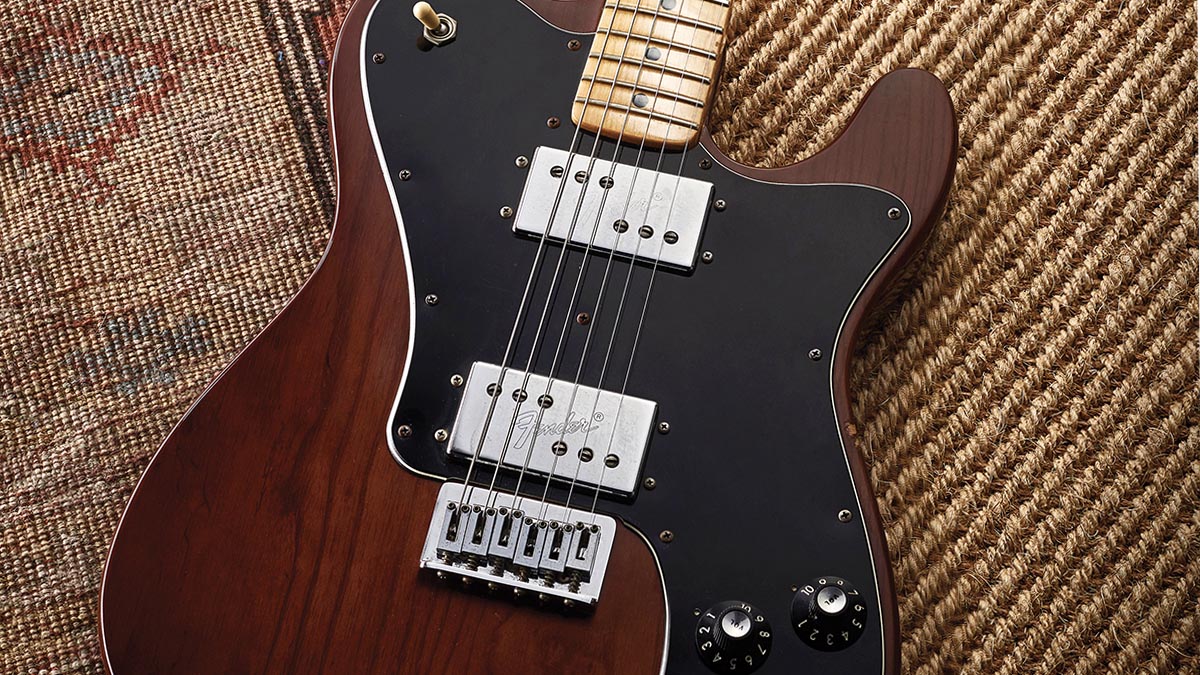
Players began replacing Telecaster neck pickups during the 1950s, and the classic choice remains a Gibson-style humbucker. If you do this and find the humbucker sounds too dark, try installing a 500k volume pot and then solder a 470k resistor between the bridge pickup’s hot connection on the switch and ground.
While you’re at it, try swapping the tone pot wire from the outer to the middle tag of the volume pot. This mimics Gibson’s 50s wiring and you might be able to get by without a treble bleed capacitor.
So long as you’re comfortable with having a routed body, the sky’s the limit. P-90, Gold Foil, Charlie Christian, Strat, Firebird and Filter’Tron pickups have all proved popular, but there are also drop-in options that don’t require routing.
14. Swap the bridge pickup
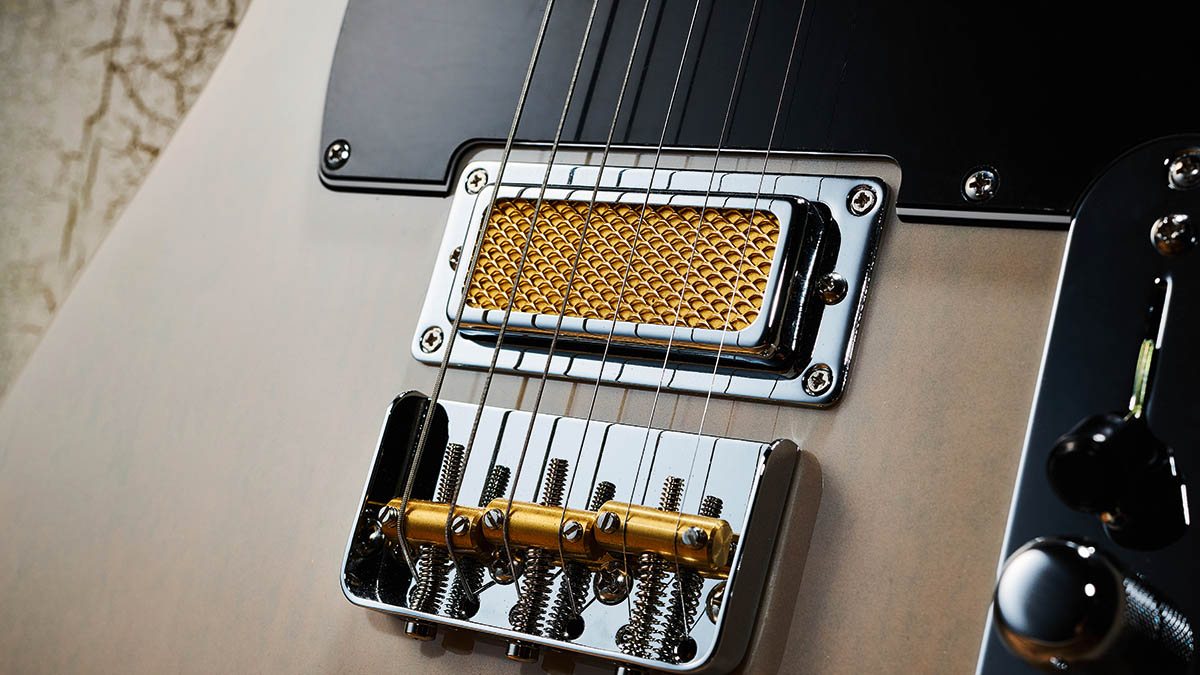
Whether you’re chasing more authentic vintage tones or looking for something entirely different, there’s a vast range of aftermarket bridge pickups to choose from. Oil City’s Wapping Wharf is a particularly interesting vintage option with a tapped coil that delivers beefy early 50s tones and twangy mid‑50s tones from a single pickup.
For quieter, more hi-fi tones, check out Danny Gatton’s preferred Joe Barden pickups. Humbucker fans might enjoy DiMarzio’s Chopper T or Seymour Duncan’s Little ’59, and if you’re prepared to rout the body and buy a different bridge, standard humbuckers, P-90s and Filter’Trons can also be installed.
- This article first appeared in Guitarist. Subscribe and save.
