







For something that affects millions every month, period pain remains surprisingly poorly treated.
A recent analysis of supermarket transaction data from over three million shoppers found that paracetamol is the most purchased painkiller for menstrual cramps – despite being a less effective option than ibuprofen for this type of pain. The finding highlights a mismatch between what people buy and what actually works.
Period pain, or dysmenorrhoea, is caused by hormone-like chemicals called prostaglandins. As the womb lining is broken down each month, the uterus releases these chemicals, which trigger strong contractions to help shed the lining.
High levels of prostaglandins make these contractions more intense and reduce blood flow to the uterus, creating the cramping, dragging pain many people experience. Prostaglandins are linked to inflammation and may also cause other effects during a period, such as nausea.
Ibuprofen may work better than paracetamol for period pain because it belongs to the family of NSAIDs (non steroidal anti inflammatory drugs). These medicines block cyclooxygenase (Cox) enzymes, which are essential for prostaglandin production. By reducing prostaglandins, ibuprofen tackles the cause of period pain.
Paracetamol works differently. Unlike ibuprofen, paracetamol only weakly inhibits peripheral Cox enzymes, therefore lacking significant anti-inflammatory effects.
Paracetamol’s effects are mainly exerted in the brain and spinal cord. It reduces the perception of pain by blocking pain signals from the body to the brain. This explains why it is helpful for headaches but far less effective for period pain.
This difference is reflected in clinical evidence. A major review of 80 trials involving more than 5,800 women found that NSAIDs were substantially more effective than paracetamol for period pain. The reason it nevertheless remains the most purchased option is likely because it’s familiar, widely marketed and perceived as gentler.
Pain relief
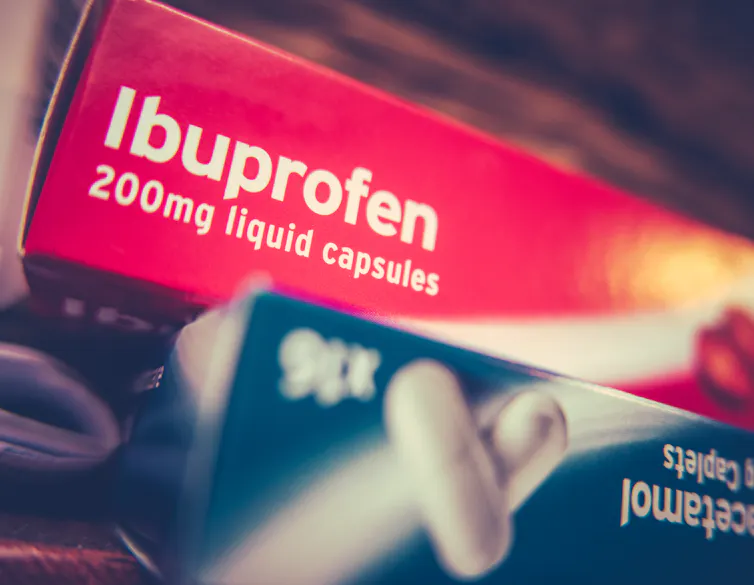
Ibuprofen is also widely used for period pain because it’s effective, inexpensive and available over the counter. But it’s not the only NSAIDs that can be used. Others include naproxen, mefenamic acid and aspirin.

Mr Doomits/ Shutterstock
Aspirin is less commonly recommended. This is because it can make periods heavier due to its blood-thinning properties. It’s also not recommended for those under 16 years old because of the risk of Reye’s syndrome, a rare but serious condition which can cause organ damage, especially in the brain and liver.
However, in terms of different NSAIDs’ effectiveness at relieving period pain or their rates of side-effects, the evidence shows no convincing differences. In practice, this means that if ibuprofen does not work well for someone, another NSAID may. Mefenamic acid, for instance, is sometimes preferred because it may also reduce heavy bleeding. However, it is only available on prescription.
It’s important to note as well that timing matters. Although NSAIDs can reduce period pain when taken at any point, they work best when started early in a period – usually one to two days before bleeding begins and continued through the first couple of days of bleeding. Taking NSAIDs ahead of the prostaglandin surge means they can shut down prostaglandin production, preventing the cascade that leads to menstrual cramps.
NSAID alternatives
Although NSAIDs are safe for most people when used short-term, they can irritate the stomach and, in some cases, increase the risk of ulcers or gastrointestinal bleeding. They may also affect kidney function and, with long term use, heart health. People with asthma, kidney disease, heart problems or a history of stomach ulcers should seek medical advice before using NSAIDs.
NSAIDs can also interact with blood thinners, some antidepressants, some blood pressure medicines and steroids.
And although NSAIDs are currently the most effective medicines for period pain, they don’t work for everyone. Around 18% of people with dysmenorrhoea don’t get enough relief from these drugs. Another option sometimes used for period pain is hyoscine butylbromide, an antispasmodic that is more commonly used for treating stomach cramps. Unlike Nsaids, hyoscine does not affect prostaglandins. Instead, it relaxes smooth muscle in the gut and uterus, reducing spasms.
Hyoscine can be helpful for people who cannot take NSAIDs or for additional relief, albeit they’re less effective overall. One study showed that hyoscine butylbromide, combined with paracetamol, reduced pain more than a placebo. However, large-scale studies are needed to compare hyoscine butylbromide directly with NSAIDs or as a combination specifically for period pain.
The combined oral contraceptive pill can also help with period pain by preventing ovulation and thinning the womb lining, which reduces prostaglandin production. This leads to lighter, less painful periods and is often used as an alternative option, especially when contraception is also needed. But the oral contraceptive pill can come with potential side-effects such as nausea, breast tenderness, spotting and mood changes.
Non-drug measures can also help alongside medicines. Simple approaches, such as applying heat from a hot water bottle or heat patch to the abdomen, can ease cramping.
Some people also benefit from transcutaneous electrical nerve stimulation (Tens), particularly when it’s used at a high frequency. Tens devices are small, portable and use mild electrical pulses delivered through electrodes placed on the skin to disrupt pain signals and reduce pain. When used correctly it is generally safe, though it should be avoided in situations such as pregnancy, epilepsy, or in people with pacemakers.
When period pain is severe, worsening or interfering with daily life, it’s important to speak to a healthcare professional to rule out conditions such as endometriosis or fibroids.


