



When pundits later tried to chalk up the growth of the Tea Party, then Trump’s first election, to “economic anxiety” and a snubbed working class, Feingold was skeptical. There was “this whole dynamic that coalesced [into] this sort of feeling of white people being under siege,” Feingold said. “That, to me, is sort of the political context that opens the door.”
But skeptical as he was, Feingold never saw things advancing this far. (He lost his 2010 reelection bid to Republican Ron Johnson, a Trump ally who remains in office and has yet to comment on the killing of Pretti.) “I’ll be the first to admit, the reason I did it was because I feared that someday there could be somebody who would do some of these things in an abusive way,” Feingold said of his vote against the DHS, “but I never imagined that there would be somebody who would do all of these things at every opportunity.”
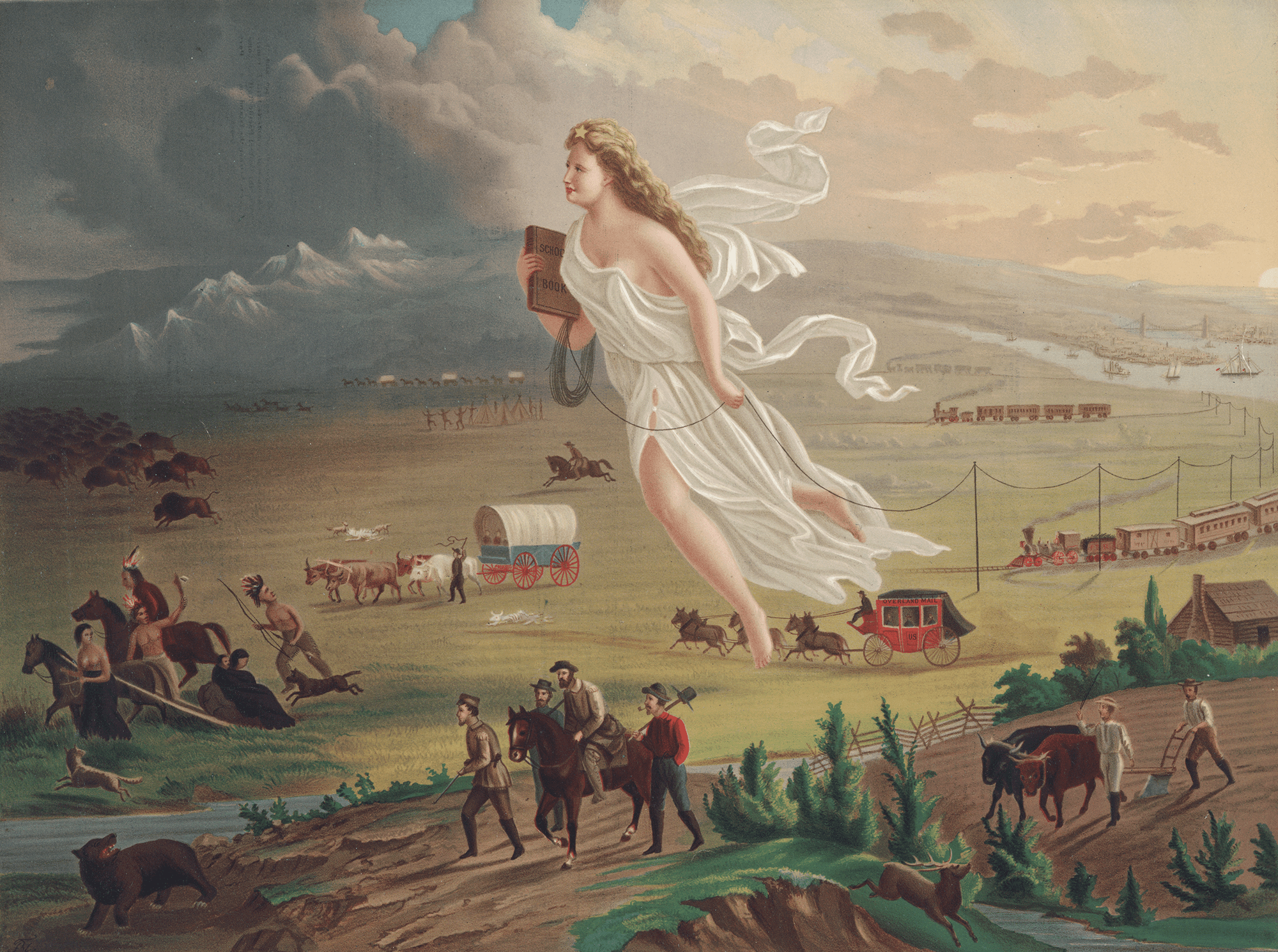
The problem will almost certainly outlive Trump’s presidency. ICE’s budget has steadily increased through Democratic and Republican administrations. That funding has gone to what journalist Radley Balko calls “the most rogue, renegade, and certainly pro-Trump police agenc[y] in the federal government.” No matter who wins the midterms this year, or the presidential election in 2028, the Army of The Homeland will remain, and its enemies in the Democratic Party seem to have little desire to fight back.
And so then it falls to the people themselves.
In these moments, I find comfort and inspiration in ancestors and martyrs. More than half a century ago, as the writer Jelani Cobb recently noted, activist Viola Liuzzo, a housewife and mother of five, left her family in Detroit and headed south to join the march to Montgomery, and in the process left the privileges of white ladyhood behind. For transgressing against The Homeland of that era—the neo-Confederate South—Liuzzo was murdered by white supremacists. Just as Good was slandered by The Homeland’s authorities as a domestic terrorist and a “fucking bitch,” Liuzzo was slandered by The Homeland’s rulers as a heroin addict and nymphomaniac who’d gone south to make a cuckold of her husband.
But the slander was, itself, revelatory, for it demonstrated The Homeland’s perverse, exacting norms, its obsession with hierarchy, its rigid borders and the high price levied on anyone who dared cross them. Forces of the neo-Confederate South “did not simply represent a threat to African Americans, as was the popular perception,” Cobb wrote. “They were a mortal danger to anyone who disagreed with them, regardless of the person’s race, background, or gender.”
Perhaps we are in such a moment now, where a death demonstrates to the country the broad nature of the threat. But this is a passive hope, and in Liuzzo’s life, we find a more active call to action. Liuzzo was born into poverty. Her father was a coal miner; her husband, a union organizer. Hers was the kind of salt-of-the-earth family often celebrated in the anthems of The Homeland. Whereas The Homeland sees freedom as the sole prerogative of its tribe, Liuzzo’s vision extended out to humanity itself. While understanding the economic exploitation of her family, she also understood that whiteness had enrolled her in the exploitation of others.
When Liuzzo acquired this knowledge, when she got woke, she was transfigured into a traitor to her race and a menace to The Homeland. For being a menace, for being woke, she was killed—as was Renee Good. (As was Alex Pretti.) But revelations have their blessings too. In this case, a life, however brief, that is clean and does not depend on the oppression and debasement of others. The revelation of deep human ties, the belief that we are all equally chosen, doomed Liuzzo, Good, and Pretti, as revelation so often does. But it also immortalized them.