







Advertisement


Subsidy Removal Saved Nigeria ₦15.8trn in 30 Months — Oyedele
By Kabir Abdulsalam
The Federal Government says the removal of fuel subsidy generated ₦15.8 trillion in savings for Nigeria between June 2023 and December 2025, with ₦5.4 trillion accruing to the Federal Government and ₦10.4 trillion shared among states and local governments.
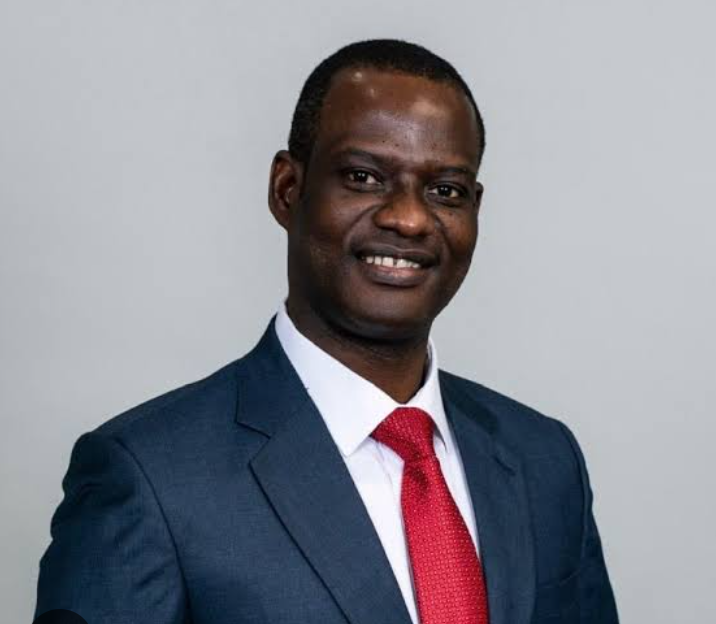
The Minister of Finance and Coordinating Minister of the Economy, Taiwo Oyedele, disclosed this on Wednesday in Abuja while presenting the government’s “Nigeria’s Reform Scorecard: The Benefits, Cost and Harms Prevented.”
Oyedele said the figure represented resources mobilised through subsidy savings during the period, adding that the funds had helped create fiscal space for government at a time when the country was grappling with significant economic pressures.
He said the government was not presenting the scorecard as a declaration of victory, but as an account of the costs, benefits and potential damage avoided through the economic reforms introduced by President Bola Tinubu’s administration.
According to him, the reforms, particularly the removal of the fuel subsidy and unification of the foreign exchange market, came with significant short-term costs.
“Prices rose. The naira adjusted sharply. Households and businesses felt it, and many still do,” he said.
However, the minister argued that maintaining the old system would have imposed even greater economic costs on the country.
Oyedele said the Federal Government also generated ₦3.1 trillion in incremental independent revenue, principally through remittances from government-owned entities, while ₦11.9 trillion came from incremental borrowing.
He explained that borrowing would have been significantly higher and more destabilising without the fiscal space created by the reforms.
Overall, the Federal Government’s incremental resources during the period stood at ₦20.4 trillion.
The minister said the resources were deployed alongside existing revenues to fund incremental expenditure of ₦30.64 trillion.
Of the expenditure, ₦9.39 trillion was allocated to wage adjustments, minimum wage increases and allowances for public servants, while ₦9.37 trillion went into external debt servicing made more expensive by exchange rate depreciation.
Another ₦6.5 trillion was spent on strategic infrastructure, making the three areas the largest expenditure lines during the period.
Oyedele said 58 per cent of the Federal Government’s ₦20.4 trillion incremental resources came from borrowing, 27 per cent from subsidy savings and 15 per cent from other revenue.
He said about two-thirds of the incremental expenditure was funded through the new resources, while the remaining third, approximately ₦10 trillion, came from the existing revenue base.
According to him, this demonstrated improved public financial management, particularly because the government had ended excessive reliance on Ways and Means financing.
He also dismissed the suggestion that subsidy removal was primarily introduced to raise revenue.
Oyedele said the policy was designed to address entrenched corruption and distortions associated with the fuel subsidy regime and the multiple exchange-rate system.
“The single largest expenditure line — wage adjustments, at ₦9.39 trillion — outstripped the Federal Government’s entire savings from subsidy removal,” he said.
The minister said the reform scorecard was based on 25 indicators covering fiscal sustainability, external stability, investment climate, social impact, and growth and productivity.
The indicators compare Nigeria’s position in May 2023 with its position in 2026, alongside a projection of where the economy could have been without the reforms.
Oyedele said the “no-reform” scenario was developed from pre-reform trends in debt servicing, foreign reserves, Ways and Means financing and other economic indicators.
He said the government also examined the experience of comparable economies that delayed similar reforms.
Beyond the fiscal figures, the minister listed several benefits of the reforms to Nigerians, including regular payment of salaries and pensions, settlement of longstanding pension arrears, an increase in the minimum wage from ₦30,000 to ₦70,000 and expansion of student financing.
He said the Nigeria Education Loan Fund, NELFUND, had supported more than 1.5 million students, while government had also introduced cash transfers and subsidised mortgage initiatives.
Oyedele acknowledged that poverty and household welfare remained areas where the government had more work to do.
He said the next phase of the reform programme would focus on translating macroeconomic improvements into tangible relief for households through expanded cash transfers, agricultural interventions and measures to reduce food prices.
The government, he added, would continue with tax and fiscal reforms while seeking to push inflation towards single-digit levels over the medium term.
Oyedele said the administration would also maintain a unified and predictable foreign exchange market, arguing that predictability was crucial to attracting investment.
The minister urged Nigerians to support policies that advance national development while holding government accountable through constructive criticism and facts.
He said the reform scorecard was intended to allow journalists, analysts and members of the public to scrutinise the figures and methodology rather than simply accept the government’s claims.


