



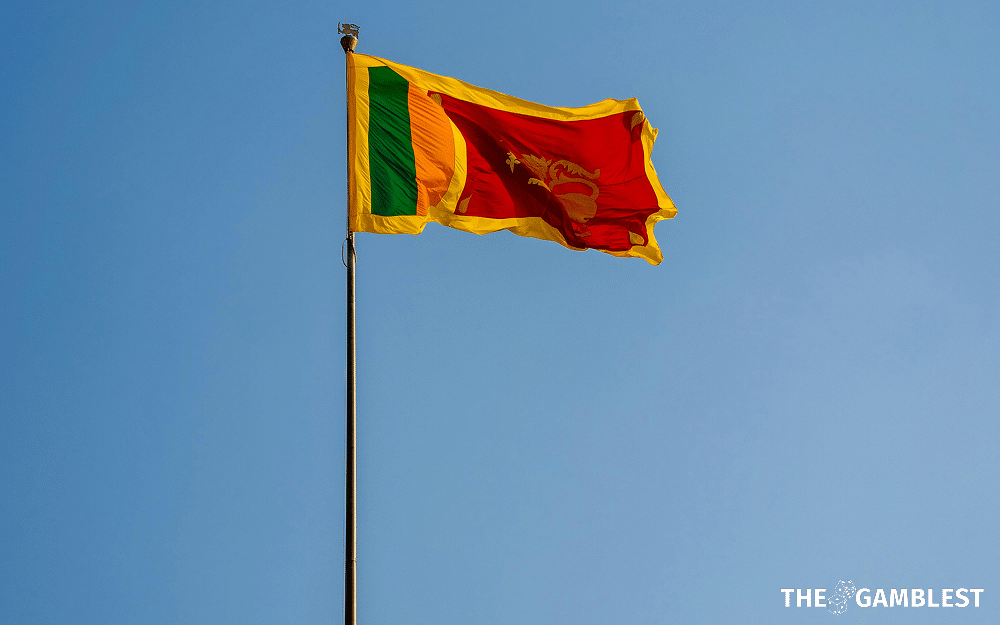
Sri Lanka is mulling over imposing more restrictions on its betting industry. The government has earmarked 30 June 2026 as the deadline for the Gambling Regulatory Authority (GRA) to be fully operational.
The establishment of this authority would mean that the gambling sector, both online and the brick-and-mortar, would be regulated by one set of rules. This would lead to the disappearance of the very large part of the industry, especially online, is working with very little supervision. During their keynote speeches at the Global Game Global Conference (GGC) 2026 held in Colombo, the officials unveiled that through this project alone, they aim not only at containing the industry but at also planning its sustainable development.
While he was speaking at the event, Deputy Minister of Industries and Entrepreneurship Development Chathuranga Abeysinghe said that Sri Lanka is working along with others to create an environment that will inspire and promote innovation and growth.
He added:
Technology plus creativity will drive this industry further, and it is a privilege for Sri Lanka to be part of it.
He also noted that the government will support both domestic and international companies looking to expand operations in the country.
He said:
From a government perspective, we will give our fullest support to drive this industry both here and in the region.
Officials highlighted the sector’s potential to attract higher-spending visitors, particularly from nearby markets. Deputy Transport Minister Ranasinghe remarked that Sri Lanka’s proximity to India positions the country as a strategic regional hub.
Ranasinghe said:
We have significant potential for industries like this, particularly for the growing markets next to us, like India.
The change is also a reaction to the quickly changing trends in the market. Research indicates that 60 to 70 percent of gambling in Sri Lanka is done online which makes it difficult to track the transactions and collect taxes. The government has connected the gambling industry more closely to the other economic targets, such as increasing tourism. The industry in recent years has diversified from just local places, going more towards big resorts and luxury travel packages.
Government officials are aiming for three million foreign visitors by 2026, with gambling expected to generate $250 million a year and to contribute to public budgets through taxes. Recent regulations have encouraged this stance, like increasing the gambling tax from 15% to 18% and also raising the casino entry fees to produce more revenue.
To many, the release of the GRAs is a defining point. Participants at the GGC conference highlighted that improved regulations would enhance Sri Lanka’s lure to the gambling industry, Especially since a few other Southeast Asian nations are becoming stricter with gambling regulations. By the way, a representative from diamante Tech told SiGMA News during the conference that the appetite for Sri Lanka is growing. At least conceptually, more definite regulations might entice a larger number of operators.
The representative noted:
I can see from the exhibitors and attendees that many are from across Asia, and there is a sense that people are now looking at the Sri Lankan market.
He added that the new policy direction presents opportunities for online providers:
It is a really good move… and a good opportunity. It is only going to grow.
Much remains to be done, of course, to overcome all these hurdles despite the positive forecast. Experts point out that converting an internet market that is at present mostly informal into a regular formal one is a gigantic task and will mainly depend on enforcement capacity, highly efficient technical systems, and working with international partners, among others.
Setting a target of having the GRA running by mid-2026, the officials appear to be not only geared towards putting a rein on the rapidly changing gambling industry but also turning Sri Lanka into a top regional gambling destination.