



“It is truly a dream come true,” says Reed Van Dyk, whose directorial feature debut, “Atonement,” unspools in Directors’ Fortnight. “If I had any dream in film, it was to present a movie at Cannes, and I have a long-standing relationship with this section of the festival. There’s been a lot of movies from Fortnight that, as I’ve come of age as a filmmaker, have meant a lot to me and taught me a lot about film craft.”
CAA Media Finance and Goodfellas are handling sales on the film, which stars Boyd Holbrook, Hiam Abbass and Kenneth Branagh.
Van Dyk’s resume is stuffed with award-winning shorts, including an Oscar nom for “DeKalb Elementary.” But for his first feature, he was inspired by a story about a tragic incident in the Iraq war by veteran reporter Dexter Filkins, and by the foreign films he loved, and a handful of documentaries, including Joshua Oppenheimer’s 2012 “The Act of Killing.”
Popular on Variety
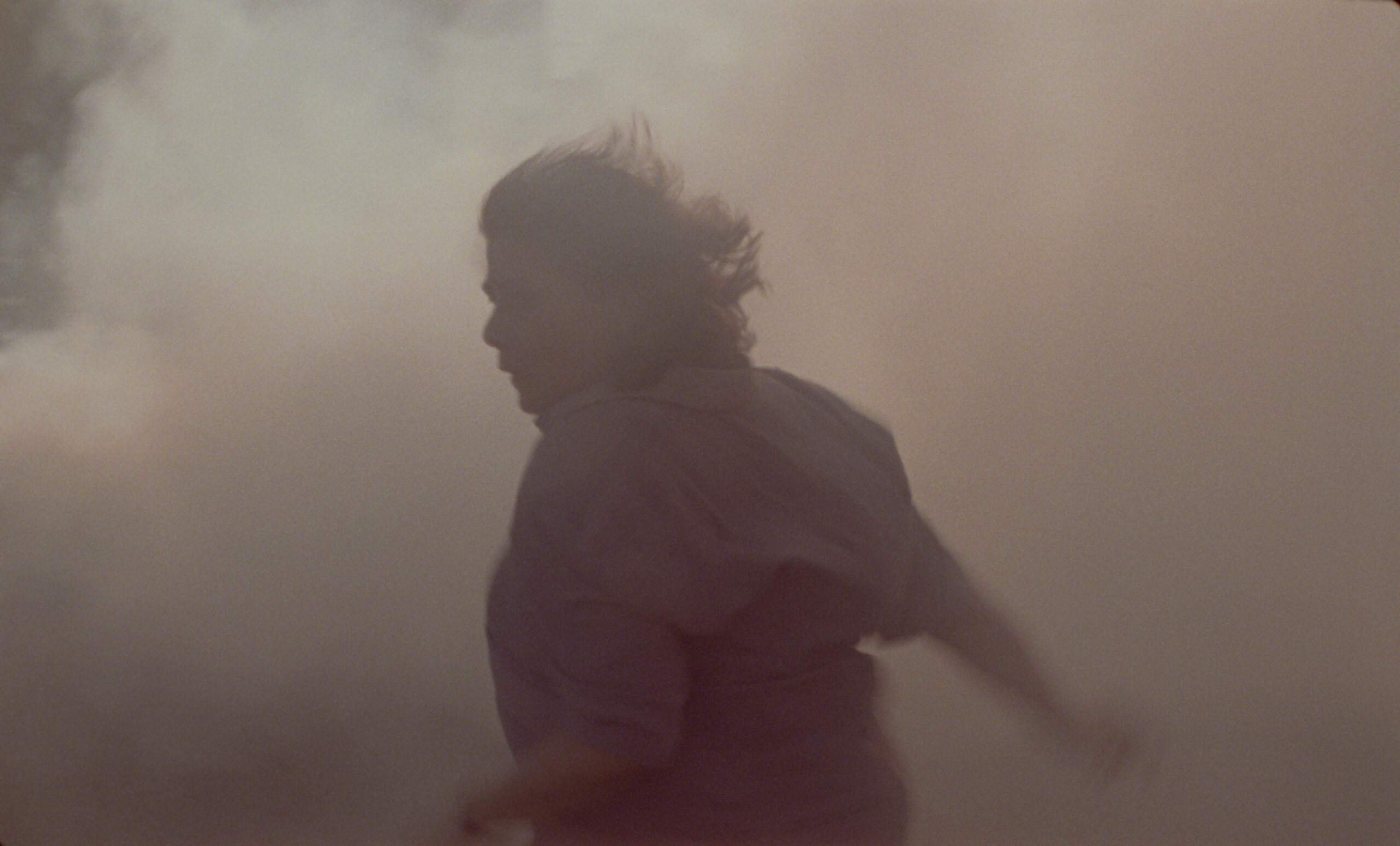
“Atonement” starts out with a tense setup as an Iraqi family in Baghdad, led by matriarch Mariam (Abbass) does mundane tasks even as bombing gets closer. But when they decide to evacuate, they end up in the middle of a street battle between U.S. Marines and what the soldiers see as insurgents. What happens next is horrific for Mariam’s family, and will prove to be heartbreaking for everyone involved. Reporter Michael Reed (Branagh) interviews a Marine involved in the incident, Lou (Holbrook), but is chased away by an officer. The film then jumps to several years later, where we see how that firefight affected the lives of the people involved: Mariam and her family, Lou and Michael.
But as the title suggests, Lou seeks — maybe not forgiveness — but a human connection with Mariam and her family, now relocated to California, and knowing that they are OK. Mariam, almost rotely, tells Lou she forgives him for his role in the incident, but she too finds a human connection with him. Empathy and humanity are key.
“One of the things that really intrigued me was the shared perspective of the incident but then it becomes about the aftermath,” he says.
Van Dyk notes that it wasn’t an easy story to immediately find a way into, but decided to structure the film in four acts, with three from the points of view of Mariam, Lou and Michael. It gives Van Dyk the freedom to drill down on key character-building scenes, acknowledging that the audience is smart enough to not be spoon-fed exposition.
“The last act is effectively the Mariam section of the movie,” he says. “It is told from her perspective. What excited me about telling the story was actually presenting the multiple perspectives of the event, and really leaning into and, for myself as the writer and director of it, understanding the Iraq side of this experience.”
It’s a complex swirl of human emotions to tackle for a first feature. “You end up making the movie to try to understand why you need to make the movie,” Van Dyk says, adding that he was interested in showing the “civilian side of that experience, which is probably underseen in Western films about this war. And seeing someone grapple with moral injuries, not physical injuries. What happens to a human spirit when they kill in the heat of a kind of fog of war moment?”
The cast certainly delivers: Holbrook gives a nuanced, powerful performance while Abbass’ casting was a “no brainer,” says Van Dyk. “She’s the Meryl Streep of the Middle East.” Branagh adopts an American accent but made it clear that he was on set as an actor. “But there was one point where there was something we were trying to figure out about who to shoot first, and it was the one time he whispered something to me, and I was like, we’re gonna get a long dinner sometime after this, and I’ll ask you all the questions I have not been able to over the last three months.”