

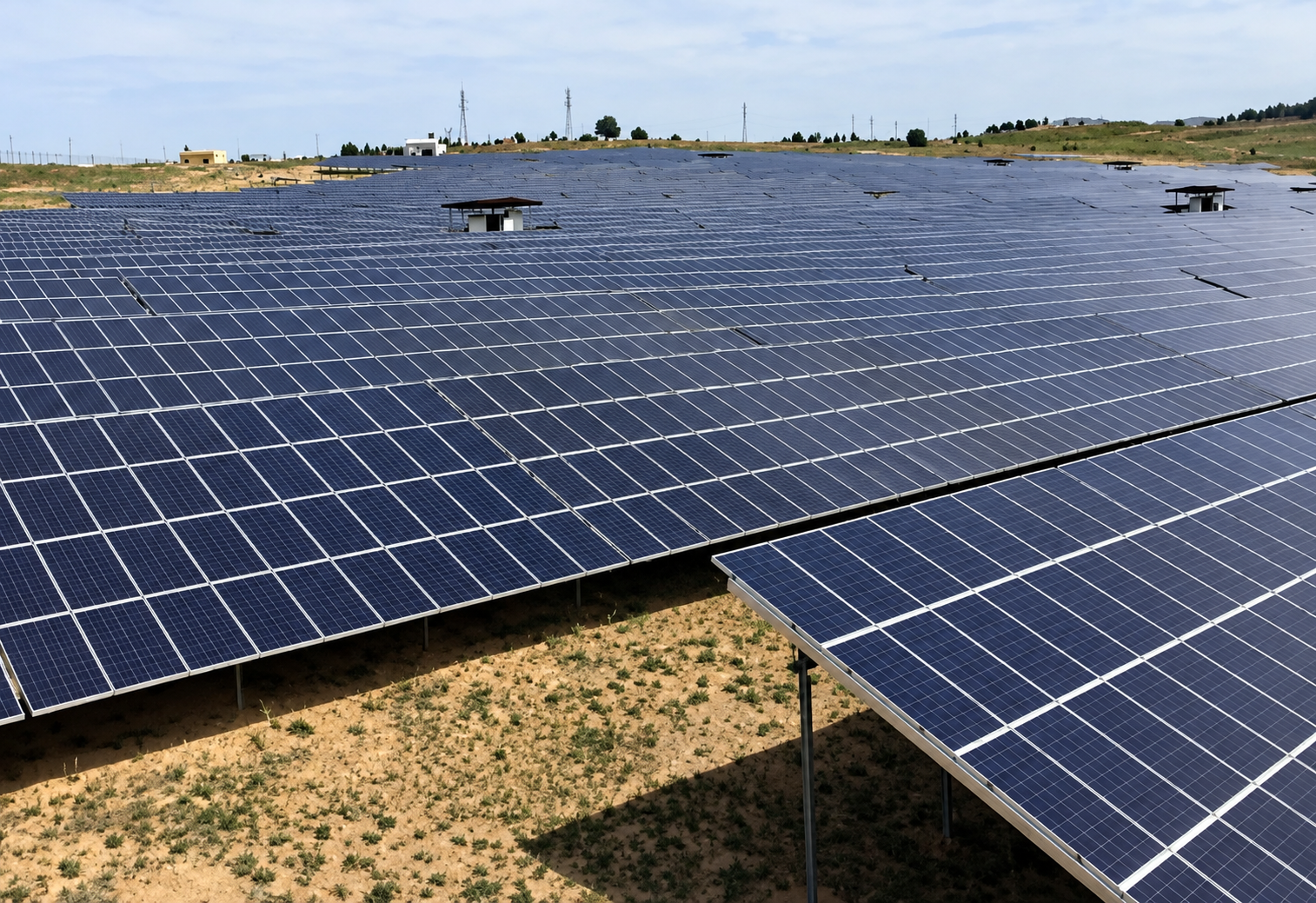
A six-year study of a 12 MW solar plant in Algeria found an average performance ratio of 82.6%, with annual electricity generation ranging from 19.83 to 21.41 GWh. Performance declined significantly in 2020 due to COVID-19-related maintenance restrictions, highlighting the importance of regular cleaning and upkeep.
Researchers at Djillali Liabes University of Sidi Bel-Abbes have published the findings of a six-year performance assessment of a 12 MW grid-connected solar power plant in Sidi Bel-Abbes, western Algeria, covering the period from 2018 to 2023.
The study revealed a significant decline in the plant’s performance in 2020, primarily attributed to reduced maintenance activities amid restrictions imposed during the COVID-19 pandemic.
“This drop in yield underscores the crucial role of regular maintenance in minimizing energy losses and sustaining optimal system performance,” the researchers said.
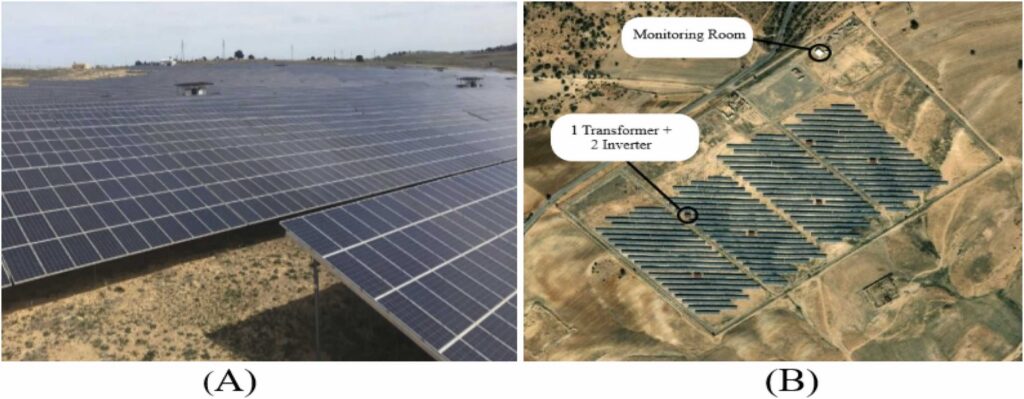
The solar plant in Sidi Bel Abbes uses Sunny Central 800CP XT inverters from German manufacturer SMA and 47,808 polycrystalline silicon HSL60-PB-1–250 modules from Hanwha Qcells, each rated at 250 W and mounted at a 34° tilt facing south. The installation is divided into six 2 MW subfields, each equipped with two inverters and connected to a step-up transformer.
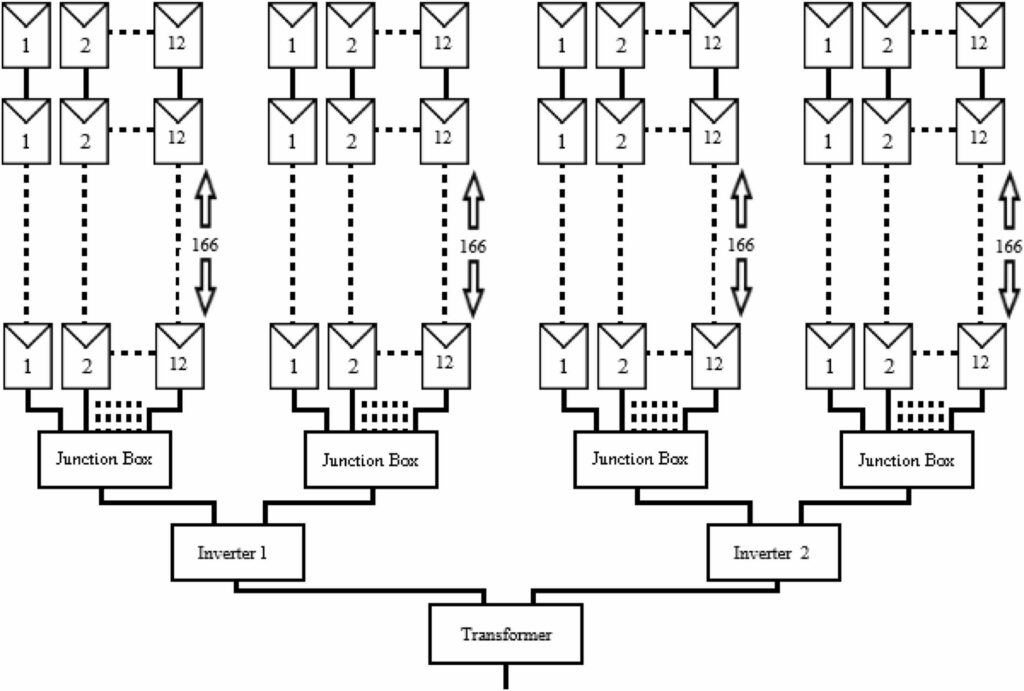
The Sidi Bel Abbes solar plant was equipped with a monitoring system that records operational and meteorological data every 15 minutes in accordance with IEC 61724 standards. Its control room houses two computers, one for plant supervision and data collection and another for grid monitoring. An on-site weather station measures solar irradiance, ambient temperature, humidity and wind speed.
To minimize dust-related energy losses, the facility used a semi-automatic cleaning system featuring rotating brushes mounted on a tractor-towed frame. The researchers assessed the plant’s performance using several indicators, including reference yield, array yield, final yield, performance ratio and capacity utilization factor. They also evaluated inverter and overall system efficiencies to determine how effectively solar energy was converted into electricity.
Array capture losses and system losses were calculated to identify inefficiencies in electricity generation and conversion. Finally, the researchers examined long-term module degradation by tracking changes in effective peak power under standardized irradiance and temperature conditions.
The testing showed that ambient temperatures followed stable seasonal patterns, ranging from around 8–10 C in winter to 22–24 C in summer. Solar irradiation varied between 100 and 275 kWh/m² per month, with the highest levels recorded in June and July. Annual electricity generation ranged from 19.83 to 21.41 GWh, with 2019 recording the highest output, followed by 2023. Monthly production peaked at 2,258 MWh in August 2019, while the lowest output of 1,125 MWh occurred in January 2020.
Average daily reference, array and final yields were 5.65, 4.92 and 4.65 hours, respectively. Capture losses ranged from 0.3 to 1.5 hours per day, while system losses varied between 0.1 and 0.5 hours per day. Despite favorable irradiation conditions, the plant experienced a marked performance decline in 2020, attributed primarily to reduced cleaning and maintenance during COVID-19 restrictions. The performance ratio fell to 78.74% in 2020 from 85.37% in 2019, before gradually recovering to 84.83% in 2023. Its six-year average performance ratio reached 82.6%, exceeding that of several comparable installations worldwide.
Module efficiency generally ranged between 12% and 14%, while inverter efficiency remained stable at approximately 97–98%. The average annual capacity factor was 19.3%, reaching a maximum of 20.30% in 2019. The researchers also estimated degradation rates of 4.12% and 4.38% under two different irradiance and temperature conditions. They concluded that the plant demonstrated competitive long-term performance despite temporary operational setbacks, highlighting the importance of regular maintenance and improved cleaning systems for sustaining electricity production.
Their findings were presented in “Evaluation of an Algerian solar power plant efficiency: Six-year performance of 12 MWp grid-connected photovoltaic,” published in the Journal of Engineering Research.
This content is protected by copyright and may not be reused. If you want to cooperate with us and would like to reuse some of our content, please contact: [email protected].
