







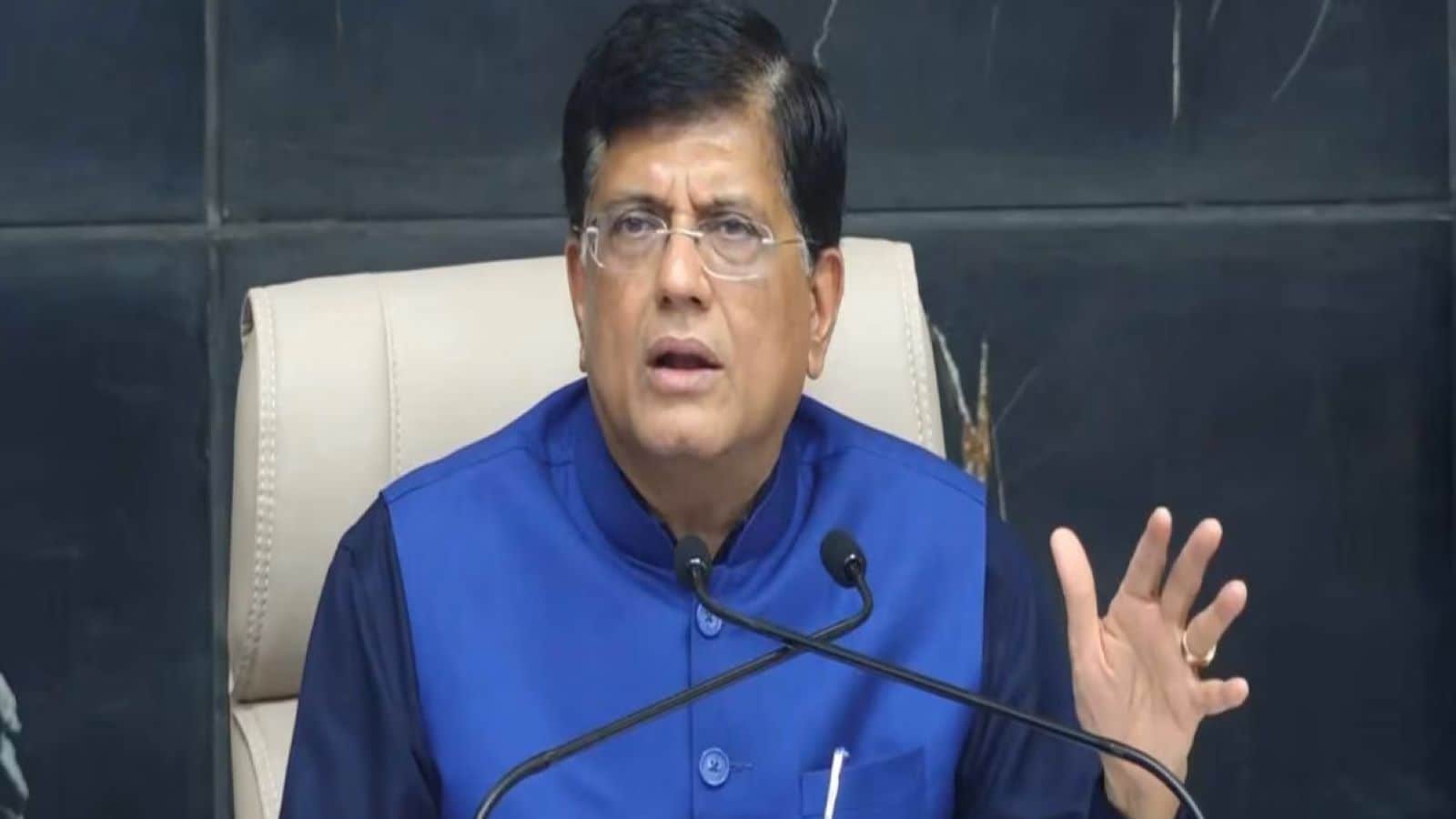
India has also said the US has provided no product or country-specific analysis or sufficient evidence linking alleged forced labour practices to any competitive advantage for Indian exporters.
2 Min Read

India will oppose a proposed additional 12.5% tariff on its exports to the US at a formal hearing before the US Trade Representative (USTR) on Thursday, July 9, challenging the legal and economic basis of a Section 301 investigation into alleged forced labour-related trade practices.
The Indian government and industry have already made written submissions opposing the proposed tariffs. New Delhi has argued that the USTR’s determination does not meet the legal standard under Section 301 of the US Trade Act and fails to establish that India’s policies restrict or burden US commerce.
India has also said the US has provided no product or country-specific analysis or sufficient evidence linking alleged forced labour practices to any competitive advantage for Indian exporters.
The USTR’s probe assumes that the use of forced labour automatically gives Indian exporters an advantage at the expense of US businesses and workers, India said in its submission.
New Delhi has argued that there is no evidence to show Indian exports confer an artificial advantage or restrict US commerce.
India has also questioned proposed product exemptions, saying they undermine the USTR’s stated policy objective of eliminating forced labour from global supply chains.
The USTR has proposed tariffs of 10% to 12.5% on imports from 59 countries and the European Union, accusing them of failing to adequately prevent goods made with forced labour from entering supply chains.
The three-day public hearing began on Tuesday, with India scheduled to make its case on Thursday. Reuters reported that the proposed tariffs would cover 99.4% of goods imported into the United States.
The latest tariff threat comes as India and the US seek to finalise a long-negotiated bilateral trade deal.
The two countries reached an initial understanding in February that envisaged an 18% tariff on Indian goods in return for New Delhi lowering trade barriers and increasing purchases of US products. A final agreement, however, was delayed after the US Supreme Court struck down President Donald Trump’s sweeping global tariffs.
India has been seeking preferential tariffs compared with competing Asian exporters, while Washington wants greater access to the Indian market and higher purchases of US goods.
Trade Minister Piyush Goyal said last month that the two sides were “very close” to a deal, but separate Section 301 investigations into alleged forced labour and industrial overcapacity have added uncertainty to the negotiations.
First Published:
Jul 9, 2026 9:14 AM
IST


