






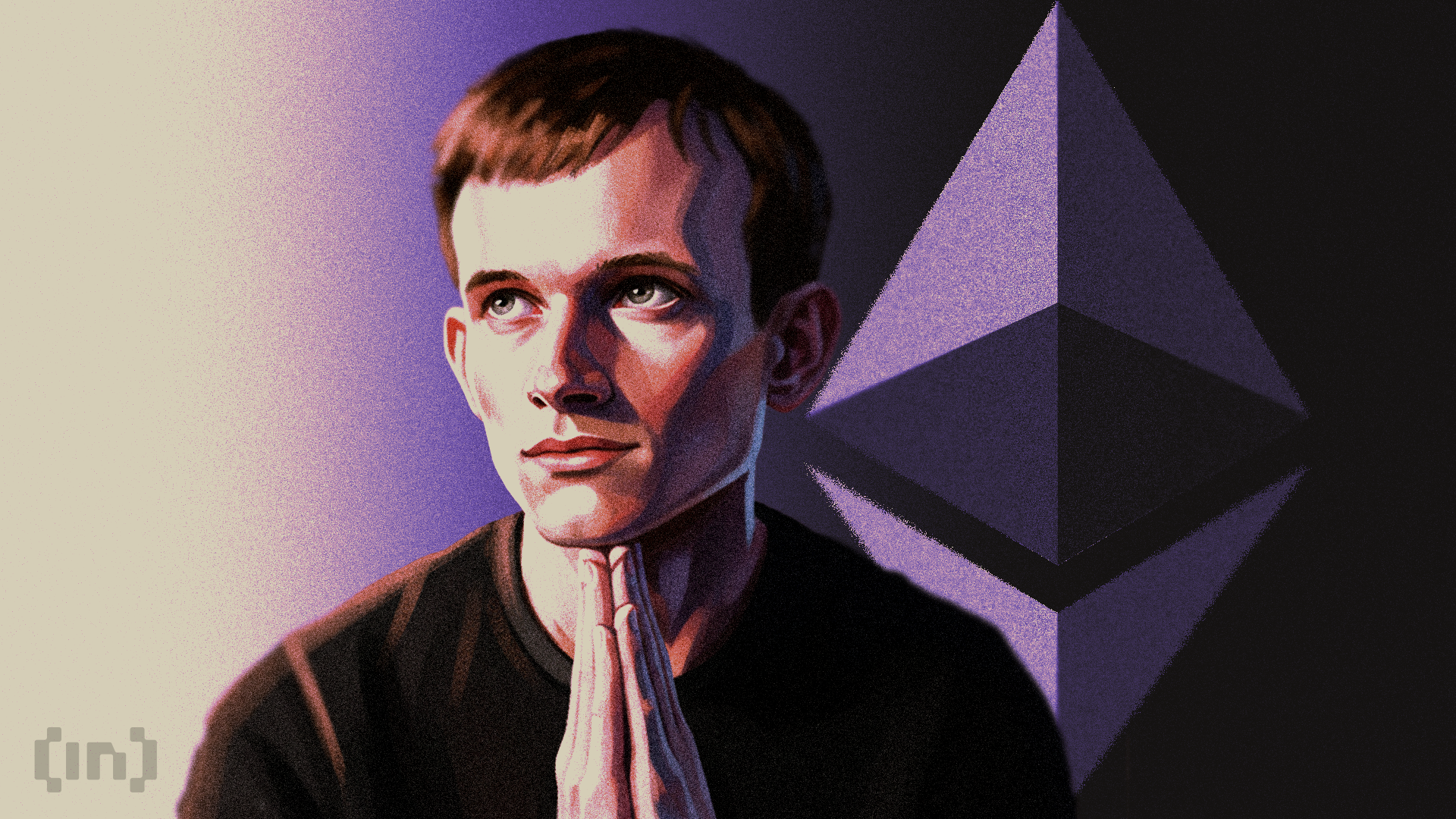
- Vitalik Buterin has changed his view on full blockchain self-validation, now endorsing it due to advances in ZK-SNARK cryptography that enable efficient verification.
- This shift recognizes that network failures, service outages, and centralization risks require users to retain independent verification as a critical safeguard.
- Buterin frames self-validation as Ethereum’s ‘ultimate safety cabin,’ key for decentralization and user resilience during crises.
Ethereum co-founder Vitalik Buterin has publicly reversed a nearly decade-old stance, signaling a major shift in thinking about blockchain self-sovereignty.
In a recent post on X (Twitter), Buterin said he no longer agrees with his 2017 assertion that full self-validation by users was a “weird mountain man fantasy.”
Sponsored
Why Vitalik Buterin Is Rethinking Ethereum’s Self-Verification Assumptions
The statement, he explained, reflects both advances in cryptography and the lessons learned from real-world network failures.
Back in 2017, Buterin debated blockchain theorist Ian Grigg over whether blockchains should commit to state on-chain. Grigg argued that blockchains could log transaction order without storing user balances, smart contract code, or storage.
Buterin opposed this approach, warning that users would either have to replay the chain history or fully trust third-party RPC providers. At the time, the Ethereum executive’s position on the matter was that these were both impractical for the average participant.
The idea of average users personally validating the entire history of the system is a weird mountain man fantasy. There, I said it.
— vitalik.eth (@VitalikButerin) June 9, 2017
At the time, he emphasized that Ethereum’s commitment to on-chain state and the ability to verify values via Merkle proofs made trusting the network far safer than relying on a single provider.
Sponsored
What has changed since then is the rise of ZK-SNARKs, a cryptographic breakthrough that allows users to verify the correctness of the blockchain without re-executing every transaction.
Buterin likens the development to discovering a “pill that cures all diseases for $15”—a transformative technology that delivers security benefits without prohibitive costs.
The innovation, he argues, allows Ethereum to reconsider trade-offs between scalability, verification, and decentralization that were grudgingly accepted in the past.
Sponsored
The “Mountain Man” Option: Ethereum’s Safety Cabin for a Decentralized Future
Buterin also highlighted the importance of real-world resilience.
“Sometimes the P2P network goes down. Sometimes latency spikes 20x. Sometimes a service you rely on shuts down. Sometimes miners or stakers concentrate power, and intermediaries censor applications,” he wrote.
In these scenarios, users must retain the ability to directly verify and use the chain without “calling the devs,” ensuring self-sovereignty even when assumptions break.
This principle underpins his renewed advocacy for what he calls the “Mountain Man” option. While full self-verification is not meant as a daily lifestyle, it serves as a critical fallback and a bargaining chip, a kind of ultimate safety cabin for Ethereum.
Sponsored
Much like BitTorrent constrained streaming platforms to offer better terms to consumers, the Mountain Man’s cabin provides Ethereum users with leverage and security amid technological and political uncertainty.
In essence, Buterin’s rethink is both technical and philosophical. ZK-SNARKs remove the previous barriers to self-verification, while practical experience has shown that centralization risks, network failures, and censorship are real threats.
By maintaining the Mountain Man option, Ethereum preserves the network’s long-term resilience and self-sovereign ethos.
Buterin’s reversal suggests that assumptions that once guided design decisions are no longer fixed, and maintaining strong fallbacks is essential for a decentralized future.
Disclaimer
In adherence to the Trust Project guidelines, BeInCrypto is committed to unbiased, transparent reporting. This news article aims to provide accurate, timely information. However, readers are advised to verify facts independently and consult with a professional before making any decisions based on this content. Please note that our Terms and Conditions, Privacy Policy, and Disclaimers have been updated.


