





Delhi is once again battling worsening air pollution as winter approaches. The city’s Air Quality Index (AQI) crossed 450 on November 4, according to AQI.in. At this level, the air quality falls in the severe category. Breathing Delhi’s air at this pollution level is equivalent to smoking around 14 cigarettes a day.
With Diwali just days away, concerns over air pollution have increased. Firecrackers could add to the existing pollution, while vehicle emissions, construction dust and other sources continue to affect air quality.
During this winter, terms such as smoke, smog and haze are often used to describe the condition of the air, but they have different meanings and causes.
Difference between smoke, smog and haze
Smoke is produced when something burns. It contains tiny particles and gases that mix with the air. Firecrackers are a common source of smoke during Diwali. Burning wood, waste and fuel also produce smoke. Vehicles and factories release harmful gases and particles into the air.
Breathing in smoke can cause coughing, throat irritation and breathing problems. Very small particles can travel deep into the lungs.
Smog is a mix of smoke, fog and air pollution. The word comes from combining smoke and fog. It is common in cities where pollution levels are high. Smoke from vehicles, factories and other sources adds to the problem.
In Delhi, smog becomes worse during winter. Cold weather and slow winds make it difficult for polluted air to move away. As a result, pollution stays close to the ground. This creates a thick layer of polluted air. It can make it difficult to see clearly and breathe comfortably.
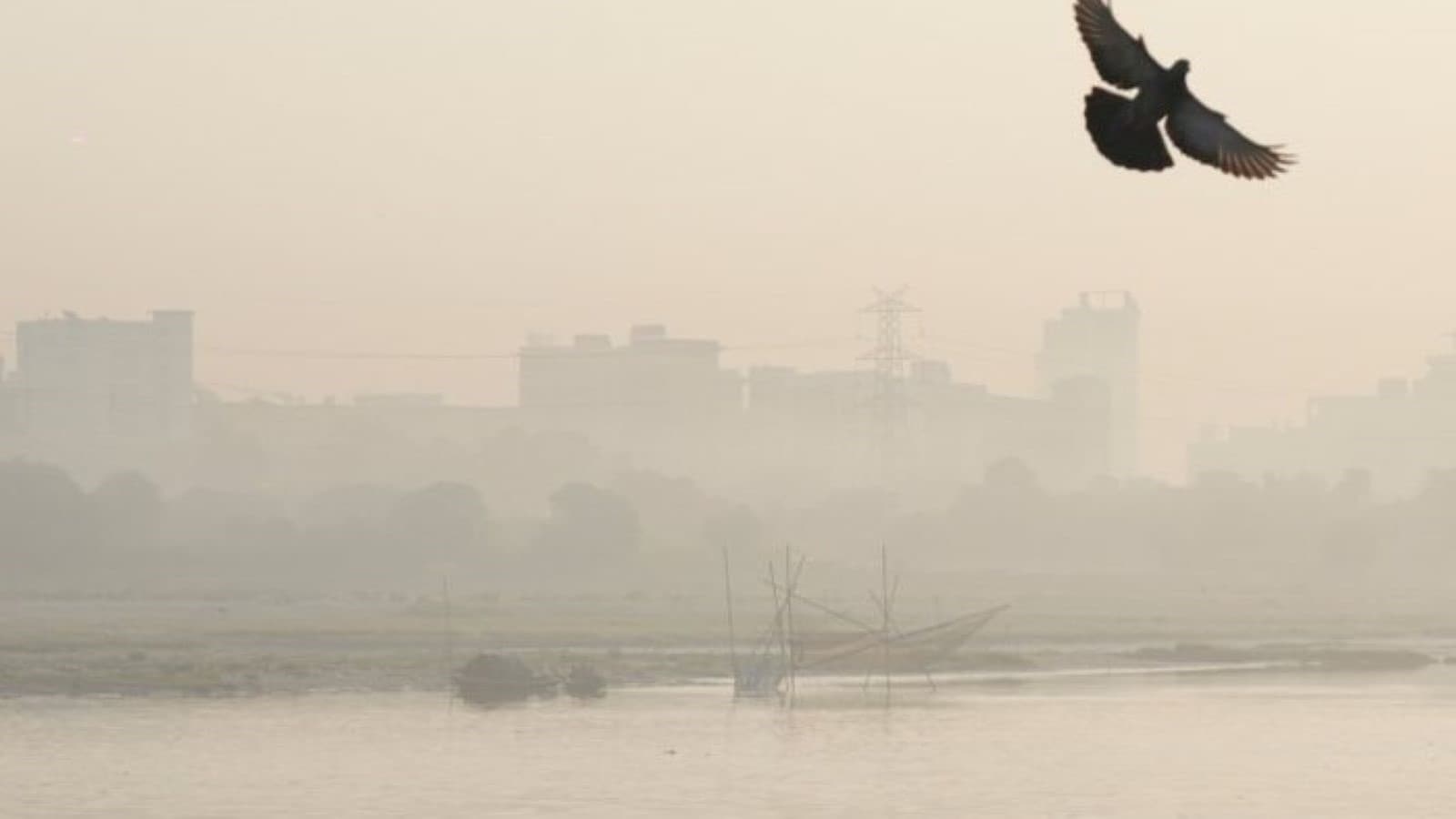
Haze makes the air look dusty or cloudy. It happens when tiny particles such as dust, smoke and pollution remain in the air. Because of these particles, distant buildings and objects may look blurred. The sky may also appear dull. Haze does not always mean there is fog or smoke. Dust and pollution particles alone can also cause it.
Why does Delhi’s air pollution get worse in winter?
Delhi faces pollution throughout the year, but the problem becomes worse during winter. Cold air and slow winds make it harder for pollutants to move away.
Vehicle smoke, construction dust, factory emissions and crop burning add to the pollution. Firecrackers during Diwali can make the situation worse by releasing more smoke and tiny particles into the air.


