By Tsvetana Paraskova – Feb 21, 2026, 6:00 PM CST
- Copper hit a record above $13,000 per ton but has pulled back to around $12,700 as rising inventories and signs of near-term oversupply offset strong long-term demand forecasts.
- High stockpiles, weaker Chinese pre-holiday demand, and heavy speculative positioning have increased volatility.
- Banks expect near-term pressure despite long-term strength, with forecasts pointing to potential surplus conditions.

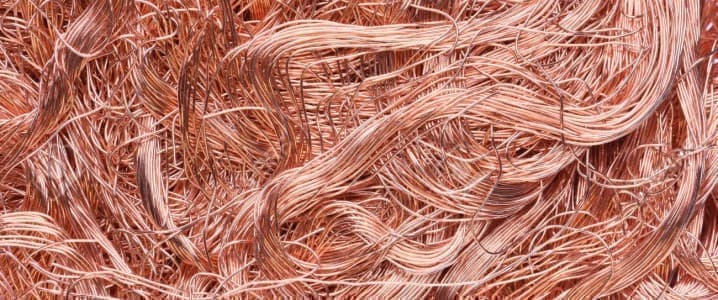
Copper prices rallied to a record high of over $13,000 per ton last month, but retreated to about $12,700 this week as expectations of long-term demand strength collided with massive stockpiling at the key exchange hubs in the U.S. and China.
Despite an unchanged outlook of soaring copper demand in the long term due to electrification and surging power consumption, near-term prospects in the copper market appear more fragile than the gold rally.
“While we expect long-term gold prices to rise further, we see more differentiated returns across the broader commodity space in the base case,” analysts at Goldman Sachs wrote in a recent note carried by the South China Morning Post.
In copper markets, the near-term outlook points to oversupply, which has tempered the price increase, analysts say.
“Rising visible inventories, softer pre?holiday demand in China, and a cash?to?three?month contango in London signal ample near?term supply, offsetting copper’s appeal as a long?term investment theme driven by electrification, AI data?centre power demand, electric vehicles, and cooling infrastructure,” Ole Hansen, Head of Commodity Strategy at Saxo Bank, wrote in an analysis last week.
“While the longer?term narrative remains supportive, near?term upside may stay capped until post?holiday demand signals re?emerge.”
Chinese markets have been closed for more than a week until February 23 due to the Lunar New Year, around which demand typically weakens and metals exchanges cannot influence global prices as they did in the past few weeks.
At the end of 2025 and the start of 2026, speculators held record-high open interest in the base metals copper, zinc, nickel, tin, lead, and aluminum traded on the Shanghai Futures Exchange.
Traders have been betting record amounts of money on China’s metals markets, expecting a continued rally in the prices of base metals and lithium. A large part of the speculative longs came from retail investors, and the metals mania gripped global markets, too.
Fundamentals in metals markets still matter, but the outsized positioning and the momentum have more prominent roles and lead to spikes to record-highs and subsequent violent corrections, according to analysts.
In addition, China has become the center of short-term price formation in metals, ING commodities strategist Ewa Manthey said in a note earlier this month.
“Fundamentals still matter but this shift means that positioning and momentum play a bigger role, leading to more volatility,” the strategist added.
Of course, other factors have also played a role in copper’s recent rally, such as supply disruptions and the specter of U.S. tariffs, demand related to the infrastructure and hardware required to support AI, and investment flows, according to Deutsche Bank Research.
“The threat of US tariffs on refined copper is expected to lead to continued metals flows to the US, but copper demand in China has slowed sharply since Q3 2025, with high prices acting as a headwind to short-term domestic demand,” Deutsche Bank analysts noted.
They expect average copper prices of $12,125 per metric ton for 2026, with a peak at $13,000 per ton in the second quarter, when China’s post-holiday demand is likely to rebound.
However, high stock levels at key hubs are weighing on copper prices now and until inventories start to fall, the near-term bull case for copper is just not there.
Copper’s sizeable correction since the January record-high “is being driven primarily by long liquidation amid a sustained build in exchange-monitored stockpiles, which have now surpassed one million tons for the first time since 2003,” Saxo Bank’s Hansen said this week.
Goldman Sachs Research said in January that copper prices will decline later in the year following clarity on U.S. refined copper tariffs.
Goldman’s base case is that a 15% tariff will be announced in the middle of 2026 and implemented in 2027, “but any delay in either its announcement or implementation could dramatically impact the direction of copper prices this year.”
“Once the tariff uncertainty passes, investors are likely to renew their focus on a large global surplus in the metal, putting renewed pressure on prices,” Goldman Sachs noted.
By Tsvetana Paraskova for Oilprice.com
More Top Reads From Oilprice.com
- Oil Demand Slumped by 614,000 Bpd in December on U.S. Decline
- Libya Awards Fuel Supply Deals To Western Firms, Aims To Cut Russian Imports
- U.S. to Redirect Venezuelan Oil Royalties Into a Treasury-Controlled Fund
Download The Free Oilprice App Today




Tsvetana Paraskova
Tsvetana is a writer for Oilprice.com with over a decade of experience writing for news outlets such as iNVEZZ and SeeNews.