



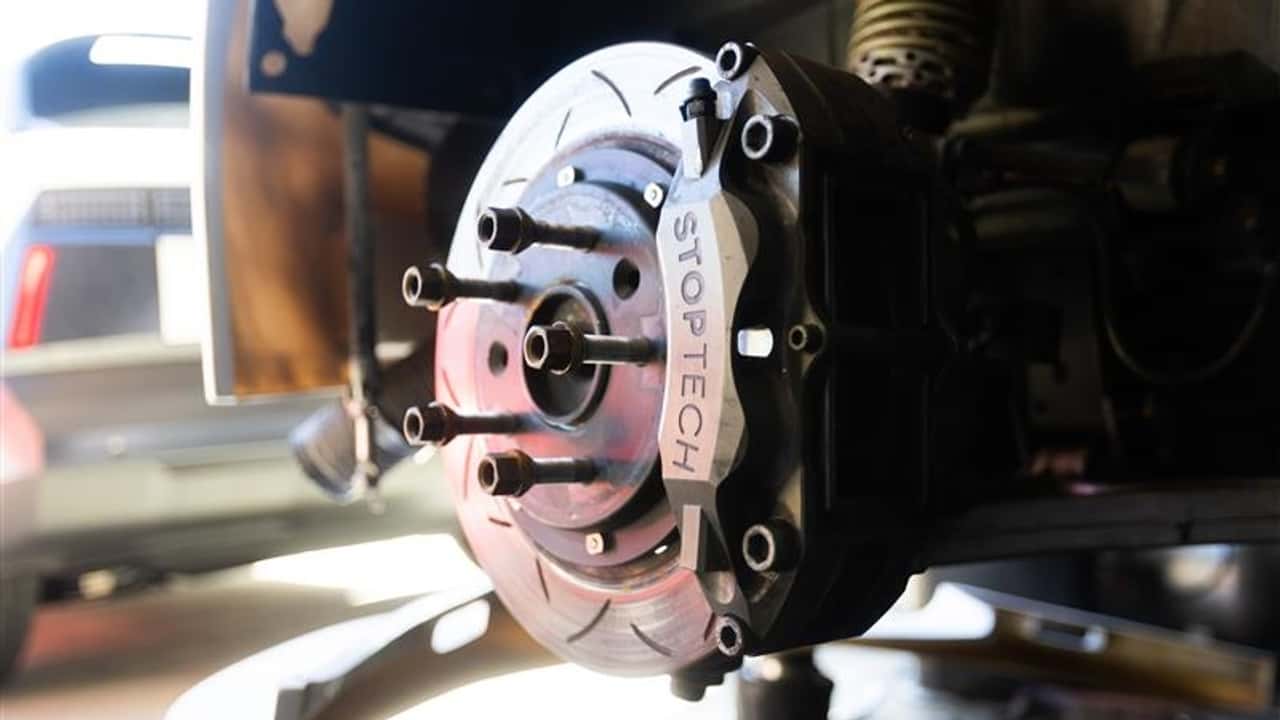
For more than a century, pressing a car’s brake pedal has relied on a relatively straightforward mechanical and hydraulic process. The driver’s foot creates pressure that travels through the braking system, eventually forcing the brake pads against the discs to slow the vehicle down.
However, modern automotive technology is changing that familiar arrangement, with some manufacturers replacing the traditional connection with electronic controls. Known as brake-by-wire, this technology uses sensors, computers, and electronic signals to translate the driver’s braking input into action at the wheels. Letting software control something as important as stopping a car might sound unusual, but the technology does offer several advantages.
How Does Brake-By-Wire Actually Work?
In a conventional braking system, pressing the brake pedal generates hydraulic pressure that travels through brake lines to operate the brakes. Brake-by-wire takes a different approach by using electronic signals to communicate the driver’s braking request.
When the driver presses the pedal, sensors measure the input and send information to an electronic control unit. The computer calculates how much braking force is needed and instructs the appropriate actuators to apply the brakes. This research paper explores how sensors can be integrated into a next-generation pedal designed for a fully brake-by-wire system.
Importantly, not every brake-by-wire system eliminates hydraulic components. Many current designs still use hydraulic fluid and conventional brake calipers, but electronic signals replace the traditional direct connection between the pedal and the braking mechanism.
Fully electromechanical systems take the concept further by using electric motors to apply braking force directly at the wheels.
Why Are Automakers Switching to Brake-By-Wire?
One of the biggest reasons manufacturers are interested in brake-by-wire is the additional flexibility it offers when designing modern vehicles. Removing the conventional mechanical connection between the pedal and braking hardware allows engineers to rethink component placement and potentially create more space around the firewall.
The technology also makes it easier to integrate braking with electronic stability control, automatic emergency braking, and other driver assistance features. Because the system can precisely control braking force, it can respond to different driving situations without relying exclusively on the driver’s foot.
Another important application is regenerative braking in hybrid and electric vehicles. Instead of relying entirely on conventional friction brakes to slow down, an electric vehicle can use its motor as a generator to recover some of the energy normally lost during braking. Brake-by-wire helps coordinate regenerative braking with the traditional brakes to deliver consistent deceleration.
Which Cars Already Use Brake-By-Wire Technology?


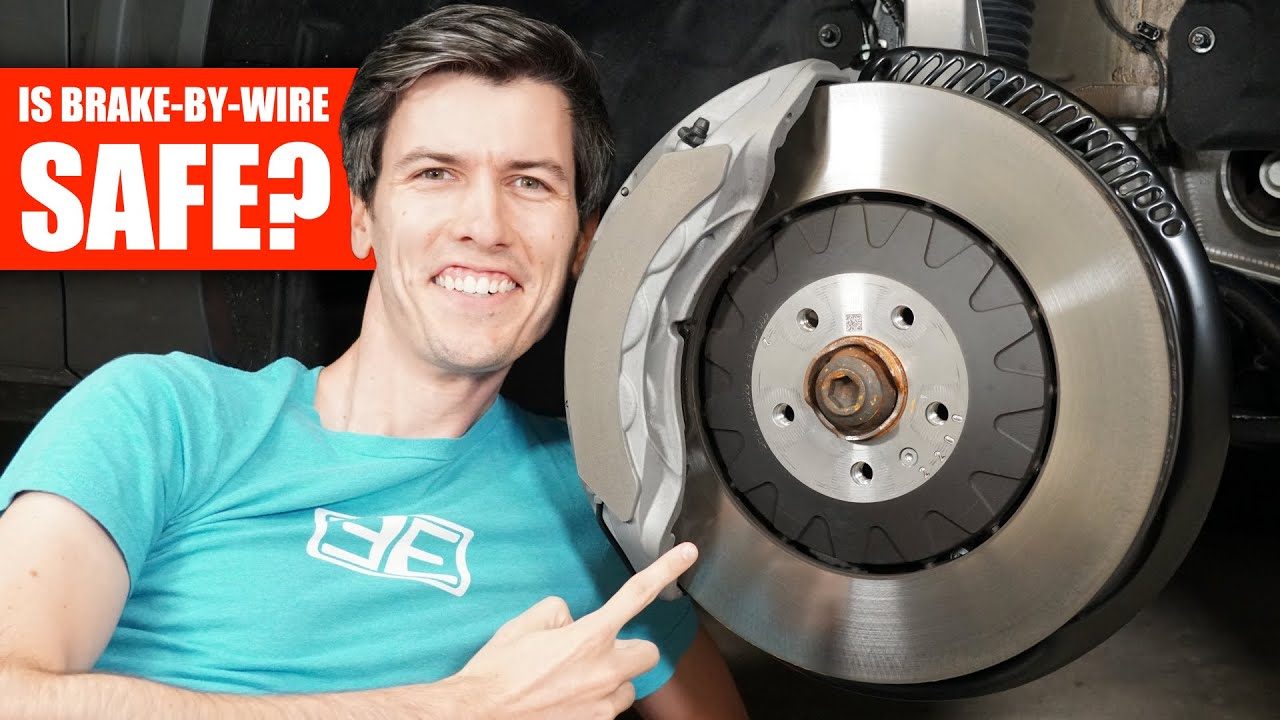
Brake-by-wire is not entirely new, despite becoming more prominent as electric vehicles gain popularity. Several manufacturers have used electronically controlled braking systems in production vehicles for years, although the exact technology varies between models.
Toyota introduced its Electronically Controlled Brake system in hybrid vehicles in the early 2000s, while Mercedes-Benz experimented with its Sensotronic Brake Control system around the same period.
More recent applications include the Alfa Romeo Giulia and Stelvio, as well as the Audi e-tron. These vehicles use advanced electrohydraulic braking technology that combines electronic control with hydraulic brake actuation.
Bosch is also developing newer brake-by-wire solutions that eliminate the conventional mechanical connection between the pedal and braking system while retaining hydraulic actuation at the wheels.
What Are the Biggest Advantages of Brake-By-Wire?
Beyond replacing traditional mechanical connections, brake-by-wire offers several potential benefits for automakers and drivers. These include:
- Better integration: Electronic braking can communicate more easily with ABS, stability control, and automatic emergency braking systems.
- Improved regenerative braking: Hybrid and electric vehicles can better coordinate electric motor braking with conventional friction brakes.
- Greater design flexibility: Removing the traditional pedal-to-brake connection gives engineers more freedom when positioning braking components.
- Reduced complexity: Integrating several braking functions into a coordinated electronic system can eliminate certain conventional components.
- More precise control: Electronic systems can adjust braking force quickly and independently at individual wheels when required.
- These advantages are particularly relevant as vehicles become increasingly electrified and automated. However, the actual benefits depend on the specific system and how effectively it is integrated into the vehicle.
Are Drivers Comfortable With Brake-By-Wire Technology?
Reddit users have raised questions about whether electronic braking systems are as dependable as traditional hydraulic setups. In a discussion on r/CarTalkUK, drivers debated what could happen if electronic components failed, with some expressing concerns about long-term reliability and others pointing out that conventional hydraulic brakes can fail, too.
The debate continued in r/cars, where a discussion about a car without conventional hydraulic brakes attracted considerable attention. Some users questioned whether fully electronic braking would remain dependable as vehicles age, while others argued that redundant electronic systems could potentially eliminate several traditional failure points.
Meanwhile, Rivian owners discussed hydraulic brake-by-wire, particularly its ability to combine regenerative and friction braking. The discussions highlight the technology’s biggest selling point and its biggest challenge: improving braking control without compromising the reliability and confidence drivers expect from their brakes.
Is Brake-By-Wire Safe?
The idea of removing the traditional connection between the brake pedal and the brakes naturally raises questions about reliability. After all, drivers need to know that their vehicles will stop when they press the pedal, regardless of whether an electronic component develops a fault.
That’s why redundancy is essential to brake-by-wire engineering. Modern systems can use multiple sensors, independent electrical circuits, backup actuators, and alternative braking paths to maintain braking capability if part of the system fails.
For example, Bosch’s brake-by-wire architecture uses two independent hydraulic brake actuators assigned to separate channels. This provides an additional layer of protection in the event of a fault.
Nevertheless, electronic braking systems must meet demanding safety and reliability requirements, and their backup arrangements vary depending on the design. Brake-by-wire is not simply about replacing hydraulic components with computers; it’s about developing a system capable of maintaining dependable braking under a wide range of conditions.
Ultimately, brake-by-wire represents another step in the evolution of automotive technology. As electric vehicles and advanced driver assistance systems become more widespread, electronically controlled braking will likely become increasingly important.
More From Motor101
We want your opinion!
What would you like to see on Motor1.com?
– The Motor1.com Team