



Advertisement


Young Journalists Must Learn Beyond the Newsroom
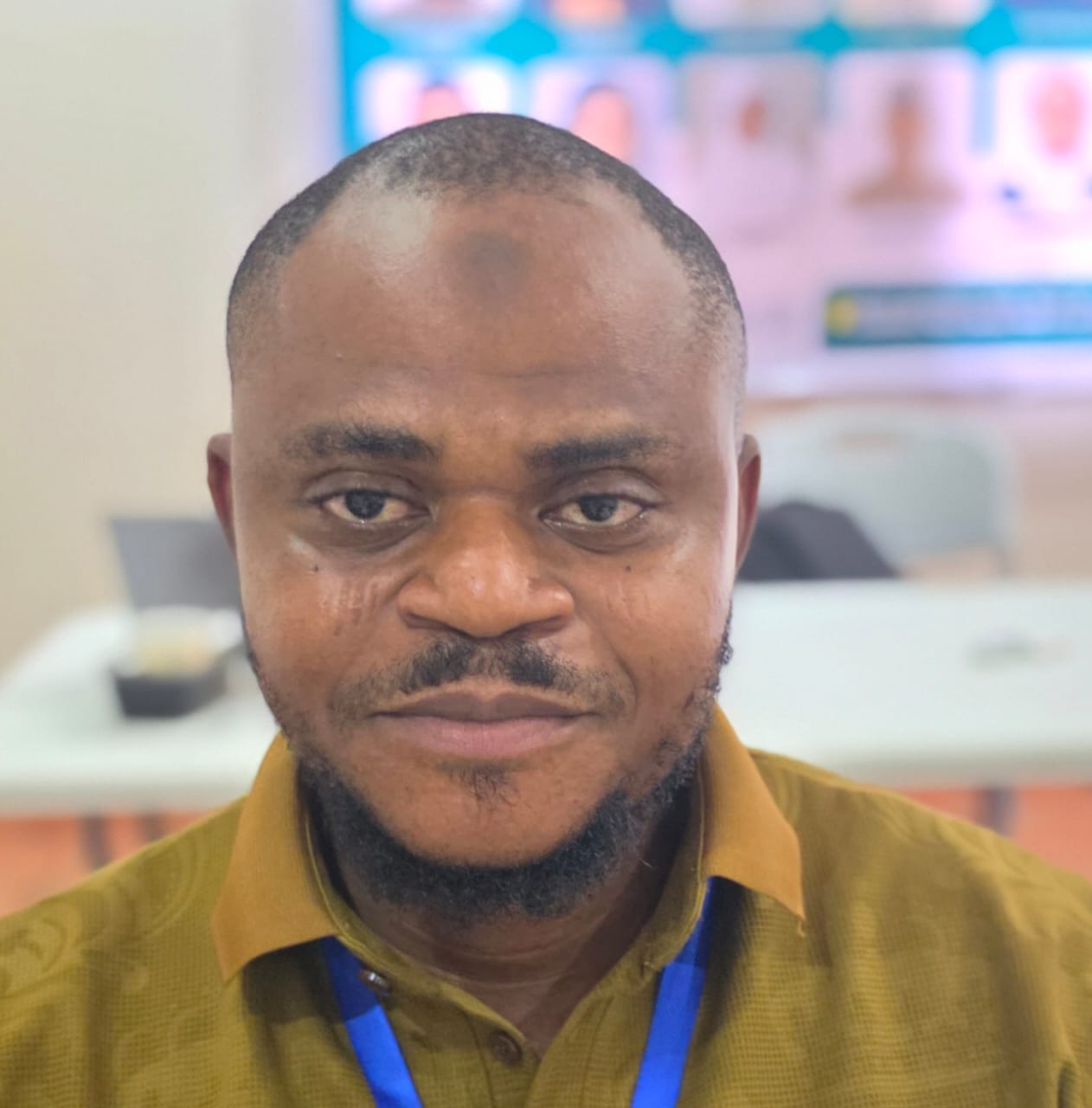
By Luqman Awwal Agono
For many young journalists, the newsroom is where the professional journey begins and, sometimes, where it ends.
But as the media landscape evolves, journalism skills alone may no longer be enough. Reporters increasingly need to understand public perception, digital communication, reputation management, crisis communication and the different ways organisations engage with their stakeholders.
This was one of the lessons that stood out to me on the first day of the PRNigeria Young Communication Fellowship, where participants were introduced to the broader world of public relations, advertising, advertorial writing and strategic communication.
I chose to focus on public relations because I want to go beyond simply reporting crises. I want to understand how crises develop, how organisations respond to them and how strategic communication can help manage their impact.
For me, this is not about abandoning journalism. It is about expanding the skills that journalism has already given me.
A journalist learns to ask questions, verify information, examine different perspectives and tell compelling stories. A public relations professional must understand audiences, anticipate reactions, manage perceptions, protect reputation and communicate strategically.
Combining these skills can create a more versatile communicator.
A Lesson From a Career Journey
As the day’s programme drew to a close, Dr. Jamila Mohammed Dahiru, an educator and former Commissioner for Education in Bauchi State, shared experiences from her professional journey.
Her story provided a practical example of how learning, preparation and adaptability can shape a career.
Dr. Dahiru spoke about her progression from university graduation to becoming a lecturer and eventually serving in public office. Her journey demonstrated that professional growth does not always follow a straight path.
From academia to public service, each stage provided knowledge and experience that became useful when new opportunities emerged. Her career reflected a willingness to learn, embrace new responsibilities and apply existing knowledge in different environments.
But one statement particularly stayed with me:
“If you want to go far, be hungry to learn.”
It was a simple sentence, but its meaning extended far beyond the room.
For young journalists navigating a rapidly changing media industry, learning cannot end with a university degree, professional certificate or newsroom appointment.
Artificial intelligence, social media, misinformation, emerging digital platforms and changing audience behaviour are constantly transforming how information is produced, distributed and consumed.
A journalist who refuses to learn risks becoming limited by the skills of yesterday.
From Reporting Problems to Understanding Them
This is where public relations and strategic communication become particularly interesting to me.
Journalism often begins with the question: What happened?
Strategic communication introduces additional questions: Why does it matter? Who is affected? What are people saying? What should be communicated? Who should communicate it? Through which channel? And how should the situation be managed?
During a crisis, the answers to these questions can determine whether an organisation restores public confidence or suffers lasting reputational damage.
That is the direction I want to explore.
I want to become a communicator who can report facts accurately while also understanding the communication environment surrounding those facts—someone capable of identifying emerging issues, recognising stakeholder concerns, communicating effectively during difficult moments and helping institutions build or rebuild trust.
The fellowship is giving me an opportunity to view communication from this broader perspective.
Instead of treating journalism, public relations and advertising as completely separate professions, I am beginning to appreciate where their skills intersect, even though their objectives and responsibilities remain distinct.
A journalist can independently establish and report what happened. A PR practitioner can help an organisation understand how stakeholders are responding and determine how best to engage them.
Both depend on effective communication. Both also require credibility.
The Value of Adaptability
One of my strongest lessons from the fellowship is that professional growth requires adaptability.
The media industry of yesterday is not the industry of today. News now travels almost simultaneously across television, radio, newspapers, websites and social media.
Audiences no longer simply wait for the evening bulletin or the next day’s newspaper. They are constantly consuming, sharing, questioning and responding to information. In many cases, they are also producing it.
This means young communicators must understand not only how to produce information but how audiences receive, interpret and react to it.
For journalists, this may mean developing skills in strategic communication, data journalism, digital storytelling, fact-checking, artificial intelligence and audience engagement.
For PR practitioners, it means recognising the importance of credible information, transparency and the watchdog role journalism plays in society.
The boundaries between communication professions may continue to shift, but the need for accuracy, credibility and responsible communication will remain.
There is, however, an important distinction. Learning PR should not make a journalist less independent, just as understanding journalism should not make a PR practitioner forget the organisation or stakeholders they represent.
The value lies in understanding both worlds while respecting their professional boundaries.
Staying Hungry to Learn
Dr. Dahiru’s message therefore came at an appropriate moment.
Her career demonstrated how one stage of professional life can prepare an individual for another. Her experience as an educator and lecturer became part of the foundation she later brought into public service.
For young communicators, her story is a reminder that our present positions do not have to define the limits of our careers.
We can acquire new skills, explore unfamiliar fields, ask better questions and become more versatile professionals.
As I continue through the fellowship, I am reminded that being a journalist is not only about writing a good story. It is also about remaining curious enough to understand the forces shaping that story.
The newsroom has taught me how to find facts, ask questions and tell stories.
Public relations is helping me think more deeply about what happens around those stories—how audiences respond, how institutions communicate during difficult moments and how strategic communication can contribute to managing crises and building trust.
Perhaps that is what it really means to remain hungry to learn.
For young journalists, the professional journey should not end at the newsroom door. There is a much wider communication world beyond it.
And sometimes, going further begins simply with the willingness to learn something new.
Luqman Awwal Agono can be reached at [email protected]