





Trump disputes claims tied to suspect writings, pushes back on framing of WHCD shooting during 60 Minutes interview
Published
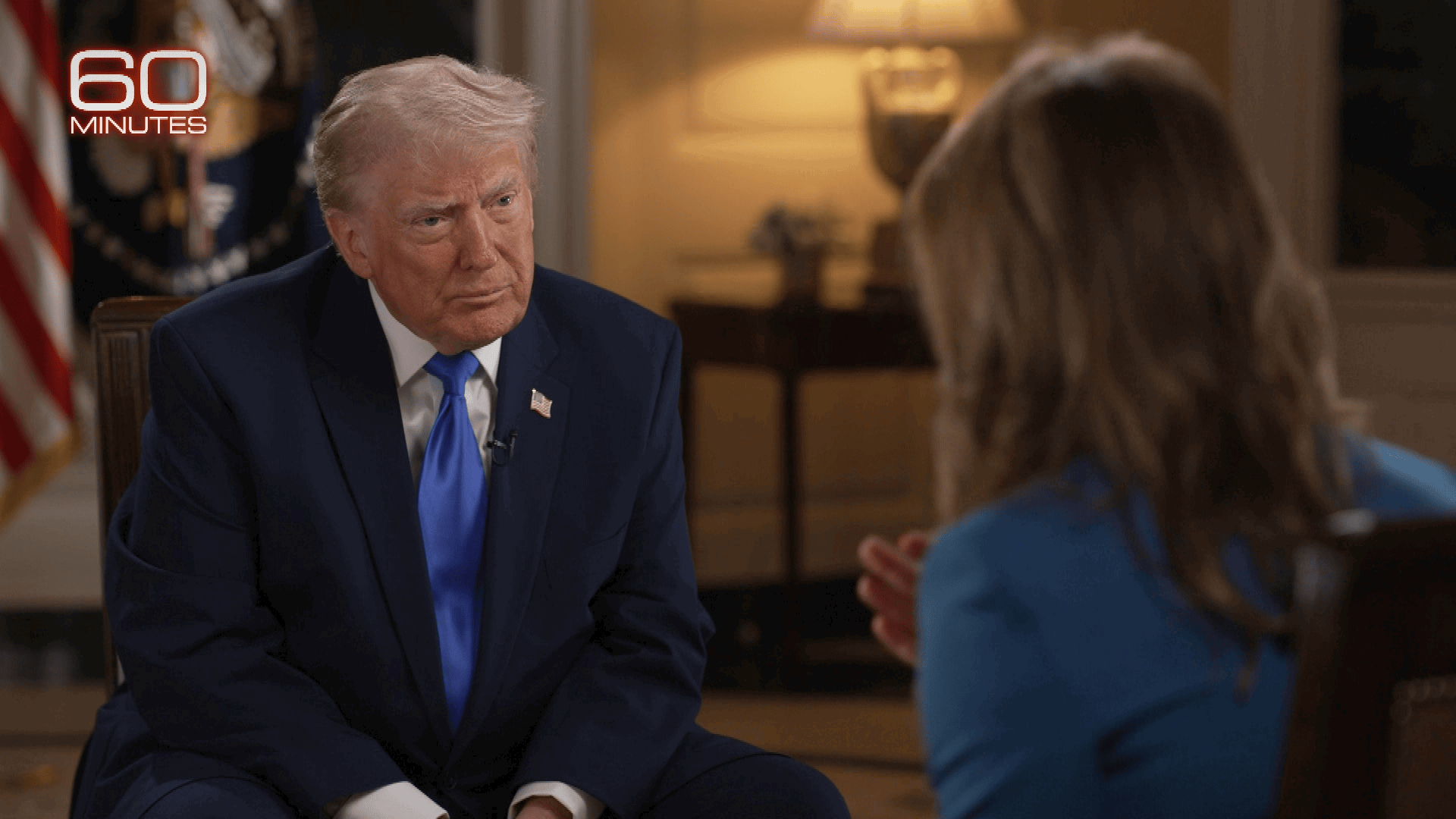

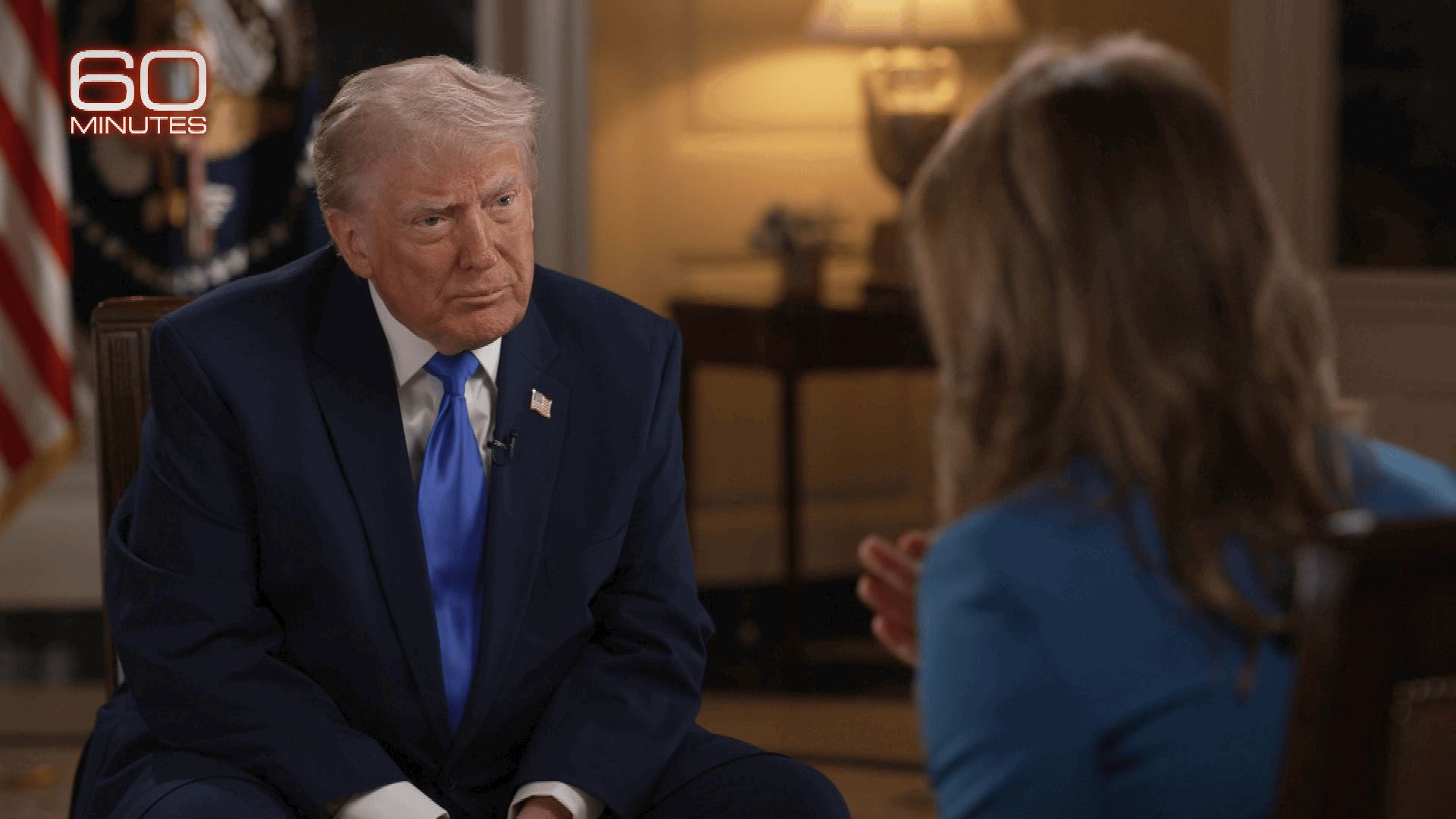
President Donald Trump sat down with reporter and fellow WHCD attendee Norah O’Donnell to discuss the latest on the shooting at Saturday’s event. (Courtesy of CBS News)
President Donald Trump bristled during a “60 Minutes” interview Sunday when questioned about writings attributed to the suspect in the White House Correspondents’ Dinner shooting, rejecting excerpts from what investigators describe as a manifesto and sparring with the interviewer over how the attack was being framed.
Federal investigators are reviewing what officials describe as a manifesto or grievance-driven collection of writings sent by the suspect to family members shortly before the attack. The document, as characterized in multiple reports and discussed during the broadcast, references government officials as targets and lays out personal justifications for the violence.
When the interview turned to excerpts from the suspect’s writings and related reporting, Trump repeatedly pushed back on the framing of the material, at one point objecting angrily to what he characterized as accusations embedded in the document’s language. He told reporter Norah O’Donnell that she “should be ashamed” for airing those claims, even as the questions focused on passages describing political grievances and alleged targeting of administration officials.
He continued to describe the suspect as “radicalized” and a “sick person,” while disputing allegations included in the writings and reiterating previous statements made on the shooter’s “anti-Christian” views that influenced his motivation.
Later, when the discussion referenced the suspect’s attendance at a “No Kings” protest, Trump seized on the phrase to reject any broader interpretation, insisting, “I’m not a king,” and framing the remark as part of what he described as hostile political rhetoric. The exchange underscored a recurring tension in the interview: Trump responding not only to what was asked, but to implications he drew from the framing of the shooting and the suspect’s ideology.
The exchange quickly shifted from the attack itself to the broader political context surrounding it, with Trump pivoting to grievances about media coverage and insisting he had been unfairly characterized.
Start your day with essential news from Salon.
Sign up for our free morning newsletter, Crash Course.
The interview also highlighted how the shooting has become part of a wider national conversation about political violence. O’Donnell referenced a series of recent high-profile attacks and threats involving political figures present at the dinner, underscoring how the event intersected with prior episodes of violence that have touched members of Congress, cabinet officials and political families.
Authorities have not formally confirmed a motive, though they say the suspect’s writings are central to their investigation. Law enforcement continues to review communications, background and planning in the lead-up to the attack.
The shooting occurred Saturday night outside the Washington Hilton during the annual correspondents’ dinner. A Secret Service officer was injured but is expected to recover. Officials say the suspect was taken into custody at the scene.
The White House Correspondents’ Association has postponed the event pending further security review.


