







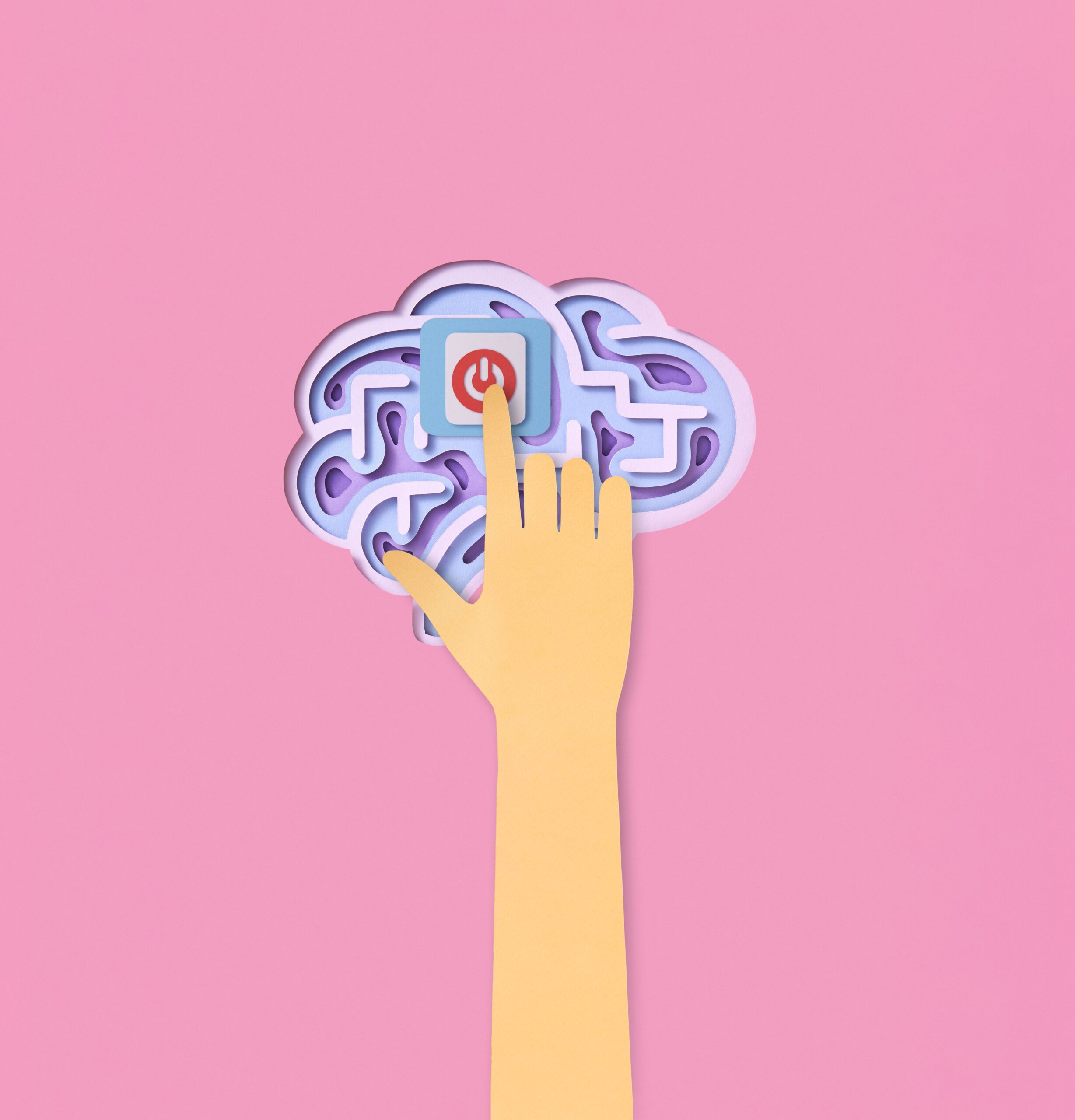
After years of struggling with ADHD symptoms, Samantha was encouraged by an advertisement she saw on TikTok for dopamine patches. Samantha, who is using her first name to protect her privacy, has never been formally diagnosed with ADHD. Still, she says she struggles every day with the severe symptoms characteristic of the condition.
“There are a bazillion ideas in my head, but none of them will come into the light and it is so frustrating,” Samantha tells SELF in a direct message on Reddit. “I feel the capability beneath the surface, but I just shut down.”
So when Samantha came across patches that promised to increase her motivation and attention span, she hoped that trying them out could help.
Dopamine patches are stick-on, brightly colored patches sold by a variety of online outlets, and advertised as containing natural ingredients, such as mushroom and bean extract, and marketed as a product to boost concentration and increase energy. (They are entirely different from dopamine agonist patches, a prescription medication used to treat Parkinson’s and restless leg syndrome.) For about $15, you can get a month’s supply delivered straight to your door—no prescription or pharmacy visit needed. However, it remains unclear whether the patches—another product in the unregulated supplements market—are actually effective for managing ADHD.
Still, dopamine patches have quickly built a following on social media. This video, which has over 27,000 likes, is a paid partnership with one of the distributors of the patch. The creator shares her positive experiences with the patch, writing that she “danced around the kitchen instead of disassociating” after trying them. While some of the comments are skeptical, many are also encouraging, and express hope that the patches could help them improve their mental clarity.
While dopamine supplements are also available in pill form, the patches appear to be the most popular. Transdermal patches are a drug delivery system that allows medicine and ingredients to be absorbed straight into the bloodstream, bypassing the digestive system. As a result, research suggests that patch users are less likely to experience digestive side effects and consistent use is easier than daily oral supplements. The patch method also allows for the ingredients to be absorbed slowly over a longer period of time.
How dopamine patches are marketed
Dopamine plays a key role in encouraging us to stay motivated, and research suggests ADHD may be linked to issues with the way dopamine is transmitted within the brain. As a result, many people with ADHD struggle to stay on task.
Although the patches are named after the chemical messenger dopamine that helps humans feel pleasure and encourage motivation, Niousha Nader, PharmD, a board-certified critical care pharmacist and clinical pharmacist consultant, tells SELF they do not actually contain dopamine. Instead, she says they contain vitamins and other nutrients that support brain health.
“That they call them dopamine patches is complete false advertising, which is, I think, a very unfair thing to consumers,” Ellen Walker, PhD, chair of the department of pharmaceutical sciences at Temple University School of Pharmacy, tells SELF.
Grace Cheney, MD, assistant professor of psychiatric and behavioral sciences and director of the Adult ADHD Assessment Clinic at Stanford University, tells SELF some of the ingredients in the patches, such as Lion’s Mane mushroom and 5-HTP, have shown promise in small scale studies for improving focus and mood. Each patch contains a relatively low level of each ingredient, which could technically reduce the likelihood of side effects like nausea and rashes.
Still, experts say they aren’t sure how effective these patches are. This is because the patches are marketed as supplements, meaning they are not regulated by the Food and Drug Administration or tested rigorously.
“If the FDA is not considering it a treatment, [then manufacturers] don’t really have to prove any of these claims about what it does or doesn’t do,” says Rachel Dew, MD, associate professor of psychiatry and behavioral sciences at Duke University.
Addressing the ADHD diagnosis gap
It’s unsurprising that dopamine patches would capture the attention of female consumers. ADHD presents differently in women (and diagnostic criteria was traditionally based on studies conducted on men), which means that women are typically diagnosed later in life. As a result, it can be much harder for women to find effective treatments and coping mechanisms to address issues of attention and productivity.
“People who have been assigned female at birth and socialized in that way experience more social pressure to internalize their symptoms, to be quiet, to listen, to get along with others,” says Dr. Cheney. “I understand why women are turning to supplemental benefits to try to have a stopgap when it’s so difficult to be diagnosed.”
Kate, who is also being identified by her first name to protect her privacy, tells SELF that she first started experiencing symptoms of ADHD during perimenopause.
“I don’t know if that means I have ADHD now, or if it means I’ve always had it but masked, or if I don’t have it at all and just have hormonal fluctuations,” Kate explains in a direct message on Reddit. “But the way I get all sucked into social media or frozen on a task list or overwhelmed by ideas, so I can’t act on any of them, has been really difficult to deal with lately.”
Kate had already used hormone replacement therapy patches (a treatment option for perimenopause) and found them far more effective than pills, so she thought perhaps the dopamine patches would also provide the same effectiveness.
“I had this product come across my feed and I really like the idea of a patch rather than a pill, because sometimes I get acid reflux and it seems to get worse when I take too many pills (no matter what kind),” she explains.
A self-prescribed stand-in for prescription drugs
Many women are also turning to dopamine patches because their access to healthcare is limited. Samantha says when she ordered the patches, she didn’t have health insurance or a primary care doctor to diagnose her symptoms. Additionally, there are often barriers to getting a doctor’s prescription filled such as cost and time constraints, so dopamine patches are perceived as an affordable and easier option.
However, Dr. Nader emphasizes that given the lack of clinical trials and research into the supplements themselves, it’s difficult to predict how dopamine patches may interact with existing mental health medications, or the kind of adverse reactions patients might experience. Kate, for example, says the patches caused an eczema rash and she had to discontinue use immediately.
Experts also emphasize that it’s difficult to determine the right dosage to use and whether the ingredients will actually help ADHD symptoms.
“We don’t know what doses will have what effect on brain chemistry,” says David Goodman, MD, assistant professor of psychiatry and behavioral sciences at the Johns Hopkins University School of Medicine and director of the Adult Attention Deficit Disorder Center of Maryland.
Similarly, the lack of clinical trials means that it’s difficult to determine how many people’s positive reactions might simply be the result of the placebo effect, which is a false sense that the medication is working. Dr. Walker tells SELF that even regulated drugs tested in clinical trials have a 30% to 50% placebo effect. “So I think people are putting these patches on and they feel like they’re addressing the problem,” she says.
Regardless of how well these patches work, there’s a captive audience of people struggling to maintain focus, and searching for accessible solutions. Samantha says she’s not sure how much the patches helped her symptoms: Although they might have boosted her energy levels, she found maintaining focus was still a struggle for her. Nevertheless, she sometimes wears them.
“Maybe they gave me more energy, but if anything, it was not focused and not helpful with ADHD in any way,” Samantha says. “I still occasionally put one on if I’m having a down or stressful day.”
Dr. Dew says she doesn’t recommend people spend their money on dopamine patches, given the lack of clinical evaluation. Instead, she and other experts encourage learning about behavioral strategies to reduce distraction and improve organization, especially from forums and websites for women with ADHD. Most people with ADHD find that their symptoms improve when they incorporate behavioral changes into their daily routine, alongside their medication regimen.
“If you haven’t arranged the conditions in your life to help you focus and to use certain strategies, then the drugs are not going to be as effective,” says Dr. Walker.
In addition to consulting with a primary care provider, Dr. Cheney recommends seeing an integrated psychiatrist. These professionals provide care that incorporates lifestyle support, in addition to conventional medicine.
“I understand not everyone wants to use traditional pharmaceuticals,” says Dr. Cheney. “But there’s so much better evidence in improving sleep, exercise, and nutrition that can be incorporated—before we try these supplements that don’t have as much evidence behind them.”
Related:
- How to Get Better Sleep If You Have ADHD, According to Therapists Who Also Have ADHD
- Is It Perimenopause or ADHD?
- 4 Ways ADHD May Affect Your Eating Habits—ande How to Get Back on Track
Get more of SELF’s great service journalism delivered right to your inbox.


