




The Trump administration has initiated a federal investigation into nine prominent American research universities over alleged misuse of the J-1 Exchange Visitor visa program, accusing the institutions of utilising the classification to hire foreign scholars at lower compensation rates than domestic workers.
Announced by Vice President JD Vance alongside the US Department of Labor, the inquiry examines whether elite schools have used the program to reduce labour costs on federally funded projects, circumvent employment obligations, or expose sensitive research to foreign adversaries.
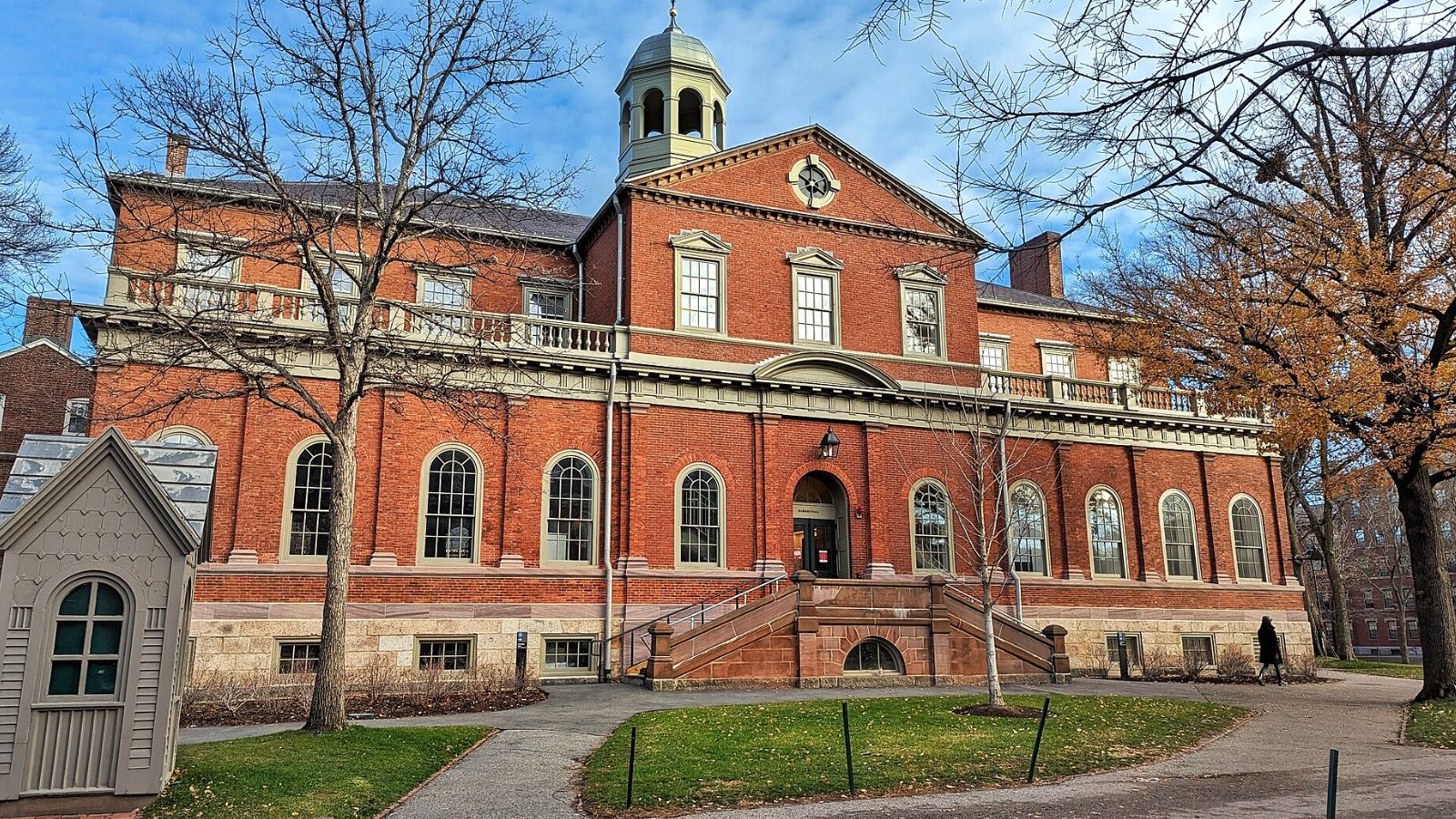
Federal subpoenas have been issued to all nine universities: Harvard University, Yale University, Stanford University, Brown University, the Massachusetts Institute of Technology, the California Institute of Technology, the University of California, Davis, the University of Pittsburgh, and Arizona State University.
At the centre of the probe is the contention that universities are deploying the J-1 visa—statutorily intended for temporary educational, research, and cultural exchange—to depress research labour costs.
Speaking at a White House press briefing, Vice President Vance argued that the institutions rely disproportionately on foreign scholars for research backed by federal grants. According to figures presented by Vance, J-1 visa holders account for 61% of researchers on federally funded grant projects across the nine universities, compared to a reported national average of 38%. The administration did not publicly disclose how those percentages were calculated.
Vance also alleged specific compensation disparities, stating that some foreign researchers were paid between $20,000 and $48,000 less than American employees performing comparable work. The administration argues that such practices, if proven, place domestic graduate students and postdoctoral scholars at an economic disadvantage.
Beyond wage parity, federal authorities have framed the probe around national security and public spending compliance. Anthony D’Esposito, Inspector General at the US Department of Labor, announced the creation of a dedicated visa fraud strike team to examine potential visa abuses, foreign financial relationships, and overseas influence over taxpayer-backed research.
D’Esposito specifically pointed to strategic competition with Beijing, alleging that systemic vulnerabilities could expose American innovations to foreign adversaries. According to estimates by the National Immigration Forum, approximately 39,000 Chinese nationals currently hold J-1 visas across the United States.
Unlike standard employment visas such as the H-1B, the J-1 visa operates under the State Department’s Exchange Visitor Program. Universities routinely sponsor international researchers, postdoctoral fellows, and visiting scholars under this framework. Higher education legal observers note that because J-1 regulations do not carry the identical statutory prevailing-wage formulas required under H-1B rules, investigators will need to demonstrate that standard institutional stipends constitute deliberate wage suppression or regulatory violations.
The academic probe coincides with a wider federal push to tighten employment-based immigration channels. The administration recently suspended several major technology firms, as well as multiple IT outsourcing companies, from the PERM labor certification process used to sponsor foreign workers for permanent residency. Federal officials have also floated proposals to introduce filing fees of $70,000 for standard post-graduate Optional Practical Training authorizations and an additional $30,000 for STEM extensions.
Looking ahead, the inquiry signals prolonged legal and administrative audits across university departments, as Department of Labor investigators examine historical payroll and grant allocation records.
The increased regulatory oversight also comes amid broader headwinds in international academic recruitment. According to educational application figures reported by Bloomberg, applicants to US doctoral programs fell 12% year-on-year, driven by a 21% drop in international candidate filings. Because federal data indicate international scholars make up nearly 40% of science and engineering doctoral students in the US, changes to visa sponsorship procedures or prolonged compliance audits risk disrupting laboratory staffing timelines across critical research disciplines.


