





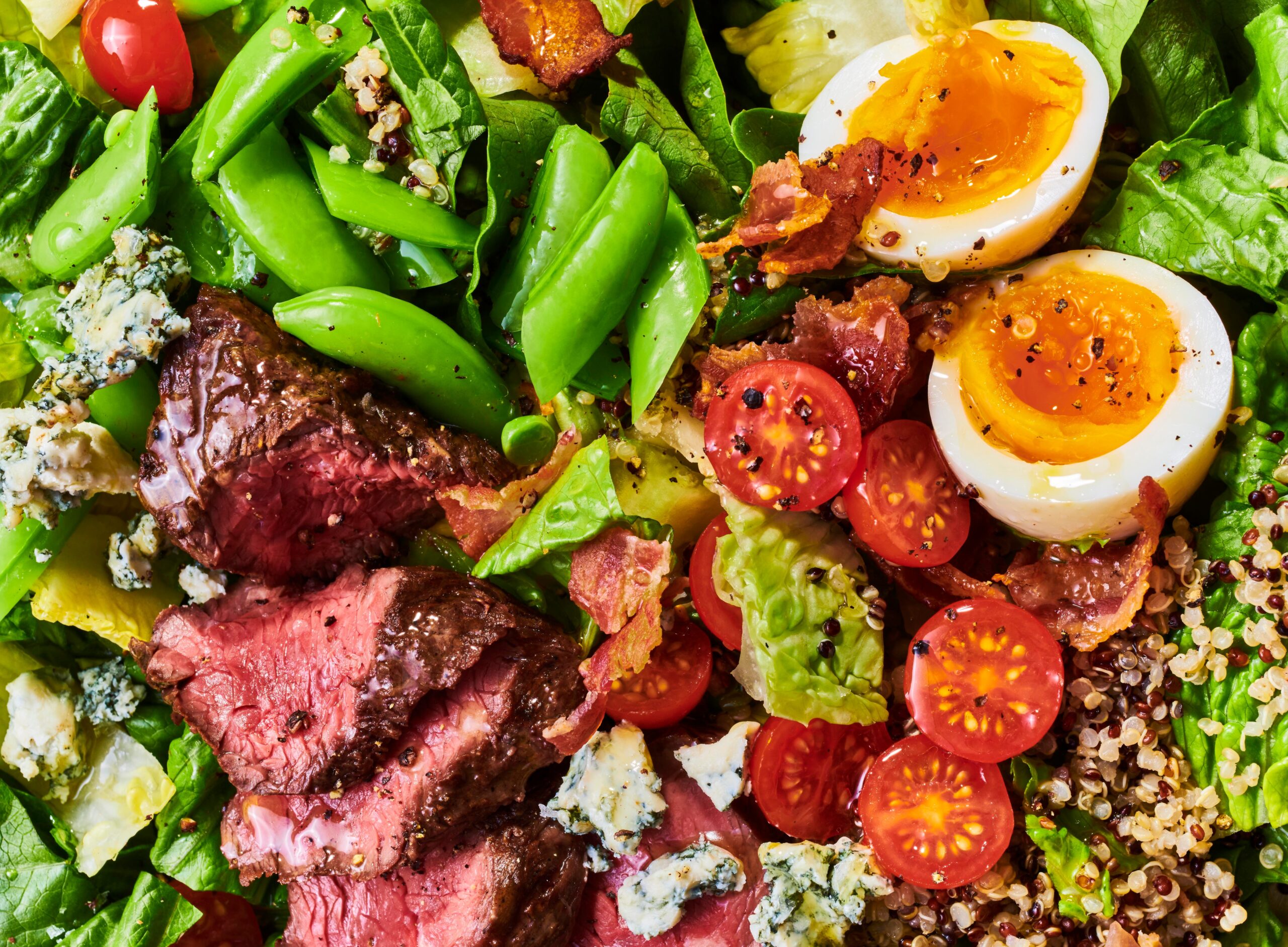
WHAT IS THE best diet to lose weight? It’s a pretty loaded question because there’s a lot to consider. Muscle mass, levels of insulin resistance, and individual nutrigenomics (how your body responds to foods, nutrients, and eating patterns) are just some factors you want to think about when choosing a diet plan.
If that sounds daunting, just remember two rules. “In simple terms, weight loss requires a calorie deficit: you need to burn more calories than you consume to shed pounds,” says Lisa Moskovitz, RD, author of The Core 3 Healthy Eating Plan. Then there’s the other caveat people often overlook: you need to pick a diet you actually enjoy.
“The way you eat to lose weight is the way you have to eat to maintain your weight: remember that before you commit to a plan,” Moskovitz adds. Truth is, there’s no one-size-fits-all approach. Depending on your individual goals, one diet might work better for you than for your friend or brother. It’s why MH contacted the experts to weed out what generally works and what’s straight-up nonsense. Boy, did they deliver.
How to Pick a Diet for Weight Loss
FIRST THINGS FIRST: don’t pick a super-strict diet that sounds good on paper but is hard to execute in real life. Restrictive yo-yo diets may actually sabotage your efforts long-term and create later health problems.
“Eating too little can increase appetite or cravings, slow down metabolism further, result in harmful nutritional deficiencies and interfere with hormonal harmony,” explains Moskovitz. Weight fluctuates naturally, that’s fine. Being miserable for six weeks, losing a bunch of weight, and regaining it all back once you stop? Not okay.
Ultimately, you want to focus on an eating pattern that includes real foods. The ideal plan has a balance of protein, fiber-rich carbohydrates, and heart-healthy fats to meet your nutritional needs.
13 Best Weight Loss Diets for Men
Below, nutrition experts list the 13 best diets for guys looking to lose weight (and not lose any muscle mass in the process).
Mediterranean diet
The Mediterranean way of eating is often considered one of the best ways to eat. There’s a growing body of research linking this diet as a great strategy for healthy aging. It’s also been helpful in boosting brain health, building stronger hearts, and (you guessed it) weight loss.
“The Mediterranean diet encompasses foods and eating patterns from Greece, Italy, Spain, Croatia, Israel and Turkey,” says Rima Kleiner, MS, RD. Here’s the breakdown.
The diet heavily focuses on fiber-rich carbohydrates like vegetables, fruits, beans, and whole grains. Then you have your protein that’s primarily from seafood and fish along with heart-healthy unsaturated fats from olive oil, nuts, and seeds. “One reason why the Mediterranean diet is so popular and heavily touted is because it is not restrictive, it’s sustainable, and includes delicious foods,” Kleiner adds.
Not sure where to start? Check out our beginner’s guide to the Mediterranean Diet here.
High-fiber diet
Fiber is (finally) having a moment—and for good reason. It’s a zero-calorie carbohydrate that keeps you full, slows down digestion, and balances blood sugar.
“High-fiber diets are also incredibly effective at leading to long-lasting weight loss,” says Moskovitz. “As a result you can expect to eat less without feeling hungry.”
Shoot for at least 25 to 30 grams of fiber to achieve desired results. That can even include high-fiber drinks that are all the rage right now. Just be careful if you’re consuming more than 30 grams of fiber. Too much fiber can cause some nasty digestive problems. Plus, not all fiber is created equal.
High fiber, high protein diet
The best thing to add to a high-fiber diet? Protein. The fiber+protein combo can tip the scale toward weight loss, especially for those with health situations where dropping pounds is unusually challenging. Here’s why.
“Eating protein-rich foods—like seafood and fish, poultry, eggs and yogurt—help increase satiety and keep you feeling fuller longer,” Kleiner says. “Fiber-rich foods—such as vegetables, fruits, beans, legumes and whole grains—are broken down more slowly than refined carbohydrates and helps to prevent blood sugar spikes and, ultimately, crashes.”
In this plan, you’re going to be limiting foods high in added sugars and refined simple carbohydrates. We’re talking sodas, baked goods, and candy. The upside, Kleiner says, is that dropping these foods from your diet can help keep blood sugar levels stable. In turn, you’re at a better chance of losing weight.
Need ideas? We have 18 delicious, high-protein foods to help you lose weight.
Calorie counting
Moskovitz says that calorie counting is another approach that’s surprisingly effective at helping you shed pounds. “It might not seem like it, but calorie-counting can allow for freedom of food choices within the confines of a certain predetermined caloric range or target zone.”
If you opt for this, though, Moskovitz highly recommends working with a registered dietitian who can map out your specific and unique calorie and macronutrient needs. While a calorie deficit is needed to lose weight, going extremely under may severely weaken your body and slow down metabolism.
Macro Counting
The above can be true for macro-counting too—especially if you’re trying to prioritize protein intake. Macro-counting involves creating a target range for carbohydrates, fats, and protein. Again, speaking with a registered dietitian is best for finding out what your ranges should be based on your individual needs.
Mindful eating
This isn’t technically a weight-loss ‘diet,’ but it’s a beneficial lifestyle approach worth highlighting.
“Although the concept of mindful eating is not a weight loss diet, mindless eating is the most common cause of overeating and weight gain,” warns Moskovitz. “If you’re constantly eating until every last bite of food is gone from your plate, then it’s a sign the meal is not totally mindful. Mindless eating occurs when we are detached and distracted while eating.”
Practice being present during meal/snack times by engaging senses and checking in with hunger and fullness cues. For many, that might mean pausing the next episode and leaving your phone in another room while eating. Focus on how your food makes you feel, noticing (and stopping) when you’re full.
Vegetarian diet
Not only do fruits and veggies provide hearty doses of antioxidants, minerals, and vitamins, but the fiber in produce helps you keep fuller for longer, potentially staving off hunger pangs and ensuing overeating.
Glucose monitoring
While not technically a diet, a hack many are using to lose weight is to buy a continuous glucose monitor. The monitor collects data on blood sugar levels. With the help of a doctor or registered dietitian, that data can be analyzed to understand how your body reacts to what’s being consumed. This information can help formulate a diet that is specific to your body’s needs.
DASH diet
The Dietary Approach to Stop Hypertension, better known as the DASH diet, was created by the National Heart, Lung, and Blood Institute to reduce high blood pressure. While often compared to the Mediterranean diet, the DASH diet technically doesn’t have any specific food requirements. Instead, it focuses on daily and weekly nutritional goals. For example, you should aim for 6 to 8 daily servings of grain, 6 servings of meat, and 2 to 3 servings of fats or oils.
It might be the most boring diet out of the list, and that’s why it works. Check out our beginner guide here.
Mayo Clinic diet
The Mayo Clinic has a 12-week eating program that revolves around fruits, vegetables, and whole grains. It emphasizes foods with low caloric density—meaning foods that you can eat large volumes for a small amount of calories. According to their site, people may lose between 6 and 10 pounds in the first two weeks of their “Lose It” phase.
TLC diet
The Therapeutic Lifestyles Diet, better known as the TLC diet, was designed by the National Institutes of Health’s National Cholesterol Education Program, in an effort to cut cholesterol and promote heart health. The diet limits foods with saturated fat content, like red meat and high-fat dairy. That may include some cheeses but not all of them.
Flexitarian diet
Not ready to fully cut out meat? The flexitarian diet provides the perfect middle ground.
The term flexitarian was coined by author Dawn Jackson Blatner in her 2009 book, The Flexitarian Diet: The Mostly Vegetarian Way to Lose Weight, Be Healthier, Prevent Disease and Add Years to Your Life. The diet is focused on mainly fruits and vegetables, while still allowing a little leeway to enjoy a steak on a special occasion.
Blue Zones diet
Similar to the Mediterranean Diet, the Blue Zones diet incorporates traditional eating habits from cultures in “blue zones” of the world—areas where inhabitants reportedly live the longest. The diet backs away from most meat, limits sugar, and is heavy on whole foods.
How Long Should You Try a Diet Before Changing It?
WEIGHT LOSS ISN’T going to happen overnight. It can take a few weeks to notice results on a new diet. “Most people feel the changes before they noticeably see them in the mirror or the scale,” Moskovitz says. “However, if after about a month you feel like you’re not getting anywhere, or worse it’s too hard to sustain, it’s time to reevaluate the diet.”
A good rule of thumb is that a healthy eating pattern should have you feeling better within a few days or at least a few weeks, Kleiner says. If you’re constantly feeling low energy or hungry, the diet you’re following is likely not working, regardless of whether you’re losing weight or not.

Perri is a New York City-born and -based writer; she holds a bachelor’s in psychology from Columbia University and is also a culinary school graduate of the plant-based Natural Gourmet Institute, which is now the Natural Gourmet Center at the Institute of Culinary Education. Her work has appeared in the New York Post, Men’s Journal, Rolling Stone, Oprah Daily, Insider.com, Architectural Digest, Southern Living, and more. She’s probably seen Dave Matthews Band in your hometown, and she’ll never turn down a bloody mary. Learn more at VeganWhenSober.com.


Erin Kenney is a Registered Dietitian, personal trainer, and CEO of Nutrition Rewired, a virtual private practice where she helps individuals achieve optimal levels of health and human performance. She takes a holistic approach and helps clients address health concerns from a root cause perspective. She works with athletes, CEO’s, fortune 100 companies, and everyday individuals looking to achieve optimal health.


