

Sampling of imported eggs as part of an investigation into Salmonella infections has uncovered a different outbreak in the United Kingdom.
The Salmonella Enteritidis strain identified in a batch of eggs from Ukraine is different to the strains linked to another Salmonella outbreak but is associated with 36 illnesses in England in 2026.
The Food Standards Agency (FSA) and Food Standards Scotland (FSS) have asked businesses, including caterers, manufacturers and wholesalers, to withdraw and recall all dates and sizes of eggs from one Ukrainian business because of Salmonella Enteritidis contamination.
Ukrainian connection
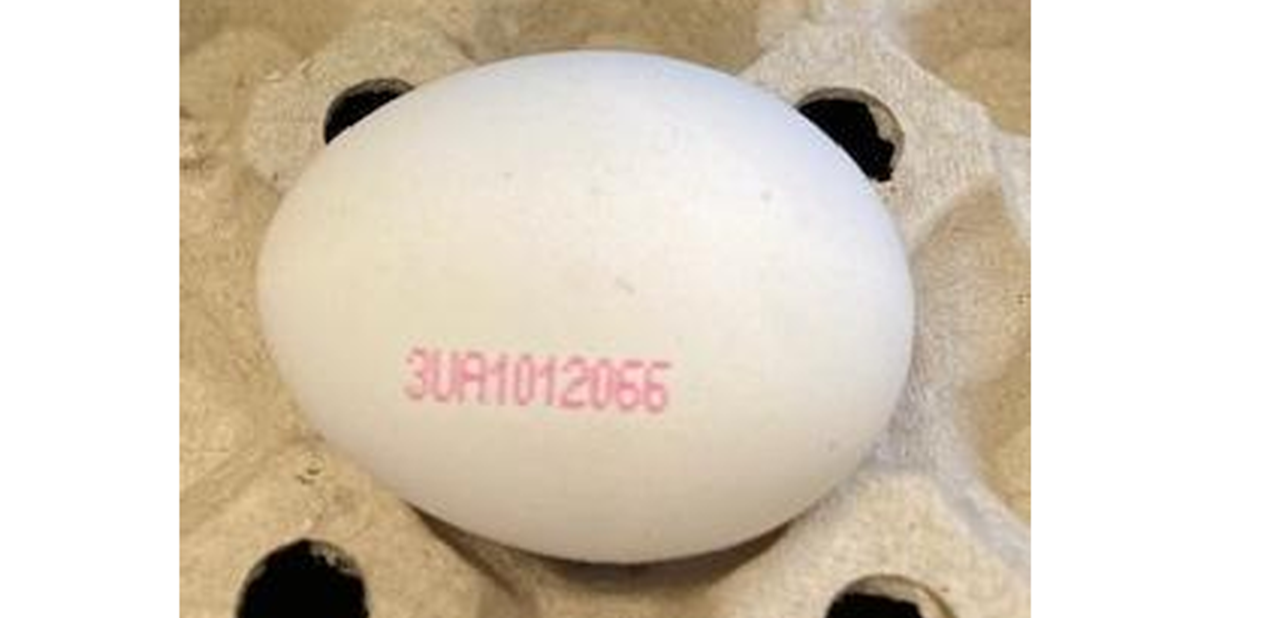
Affected eggs came from the Yasensvit company in Kyiv and are stamped with the code 3UA1012066. They may have been supplied to catering businesses or sold through smaller retail outlets. Eggs may have been repacked by UK businesses and sold under different names or packing center details on the outer packaging.
Egg sampling was undertaken as part of an investigation into a large outbreak which is thought to be linked to imported eggs. The UK Health Security Agency (UKHSA) found Salmonella Enteritidis in samples of eggs from the Ukrainian supplier and carried out whole genome sequencing.
Jacquelyn McCormick, head of incidents at the FSA, said: “We have identified Salmonella Enteritidis in eggs that were imported from a business in Ukraine and taken urgent action to protect public health and advised that any affected product on the UK market is withdrawn and recalled.
“This issue relates specifically to eggs from one business in Ukraine, which are primarily supplied through wholesalers and the catering supply chain, but also sold at small retailers. Consumers should not eat these eggs and businesses should withdraw them, and where retail sales have occurred, recall them, as these eggs may be unsafe to eat.”
Main outbreak update
As part of three Salmonella outbreaks in the United Kingdom, more than 650 people have fallen sick and two have died.
Investigations have linked 47 patients to 11 businesses, with at least 24 infected people eating dishes containing eggs. The eggs come from multiple sources, but two large importers are being investigated further.
In the first cluster, there have been 428 confirmed patients and one death. Sample dates range from Aug. 11, 2025, to Sept. 22, 2026. In the past month, 102 infections have been reported in England.
Sick people range in age from younger than 1 to 90 years old with a median age of 30. Of 271 patients with available information, 72 have been admitted to hospitals.
The European Centre for Disease Prevention and Control (ECDC) is also monitoring this Salmonella Enteritidis sequence type 11 cluster. At least 34 people have been hospitalized. People fell sick in the Netherlands, Belgium, Austria, Denmark, France, and Germany.
In the second cluster, there are 194 patients in England. Sample dates range from May 27, 2025, to Sept. 14, 2026. Patients are aged between younger than 1 to 92 with a median of 29 years old. Of 55 patients with information available, 25 were admitted to hospitals.
In a third cluster, there are 44 cases and one death, with sample dates ranging from Jan. 27 to Aug. 24, 2026. Patients range in age from younger than 1 to 87 with a median of 32 years old. Nine people have been hospitalized.
In Scotland, there are 16 confirmed patients. Fifteen are in the first cluster and one in the third cluster reported by UKHSA. Sample dates are from April 1 to Sept. 3, 2026. Patients range in age from 2 to 78 with a median of 36 years old and 11 are female. Several people have reported bloody diarrhea but none have been hospitalized because of salmonellosis. There are two Scottish cases from 2025 in the second cluster.
Wales has 10 cases in the first cluster and two in the second. One patient in the first cluster lives in Northern Ireland. There are also two illnesses in either Jersey, Guernsey or the Isle of Man.
