







The Labor Department on Monday proposed a rule following an executive order from President Donald Trump that directed regulators to expand access to digital assets in retirement portfolios.
Mar 30, 2026, 10:00 p.m.


What to know:
- The U.S. Department of Labor has proposed a rule, prompted by an August executive order from President Donald Trump, that would make it easier for 401(k) plans to include alternative assets such as cryptocurrencies, private equity and real estate.
- If adopted, the rule would mark a shift from traditional stock-and-bond-focused 401(k)s by allowing plan providers to add a broader mix of assets, including digital tokens and private-market funds.
- Supporters say the change could improve diversification and reflect how people already invest outside retirement accounts, while critics like Senator Elizabeth Warren warn it could expose workers to higher risks, fees and potential losses.
The U.S. Department of Labor has proposed a rule that would make it easier for 401(k) plans to include alternative assets such as cryptocurrencies, private equity and real estate.
The proposal is in response to President Donald Trump’s executive order, released in August, which directed the Labor Department and the Securities and Exchange Commission to facilitate expanded access to alternative assets in 401(k)s.
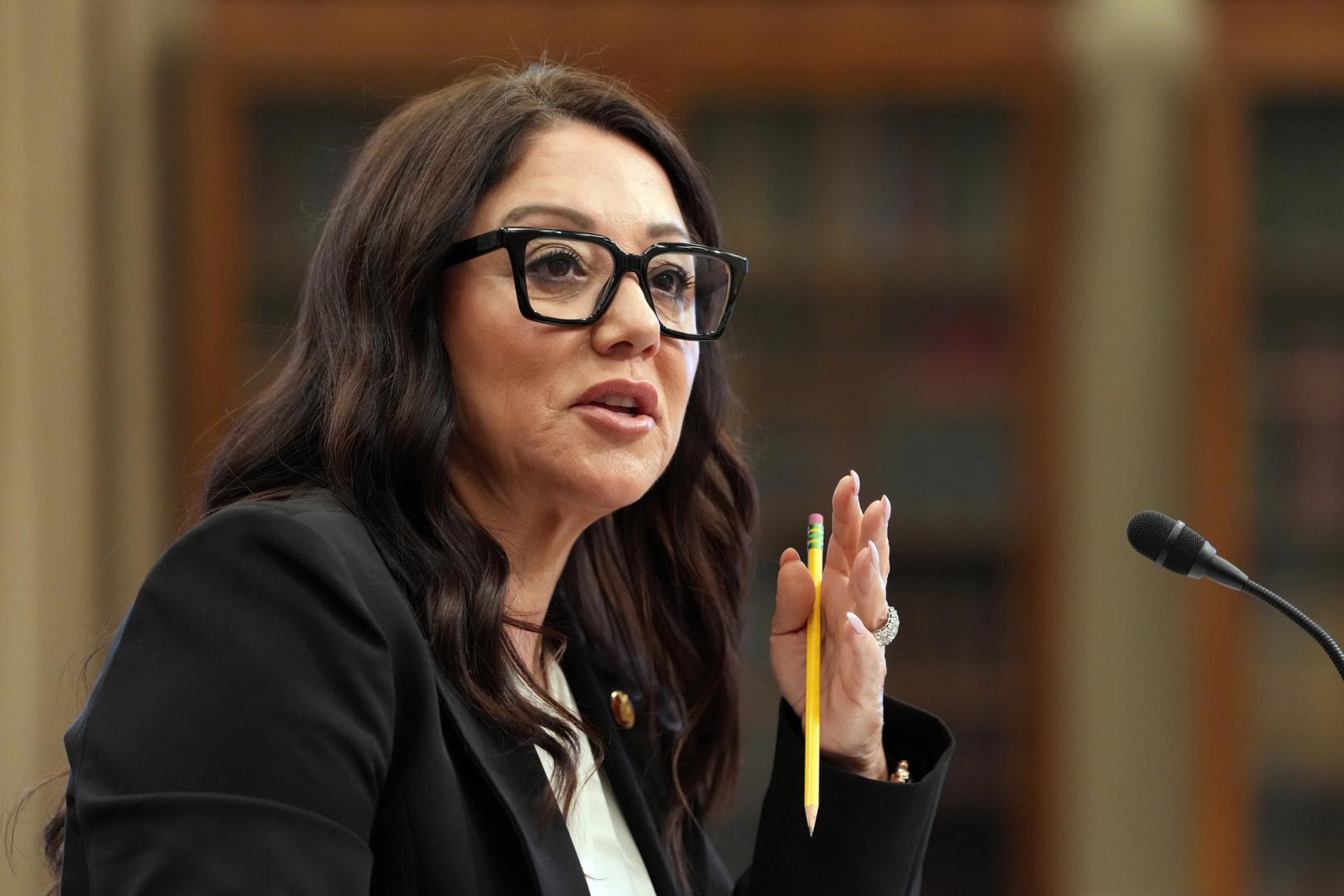
“This proposed rule will show how plans can consider products that better reflect the investment landscape as it exists today,” Labor Secretary Lori Chavez-DeRemer said in a statement.
If adopted, the rule would mark a shift in how retirement plans are built. For years, most 401(k)s have focused on stocks and bonds. The new approach would allow plan providers to add a broader mix of assets, including digital tokens and private-market funds that are not traded on public exchanges.
The move builds on earlier changes. Last May, the Labor Department rescinded prior guidance that urged fiduciaries to exercise “extreme care” before adding crypto to retirement plans. Trump’s executive order went further, calling for digital assets to be treated on par with other investment options.
Still, the proposal has drawn criticism from some lawmakers and financial advisors.
“As cracks emerge in the private credit market, private equity returns fall to 16-year lows, and crypto keeps tumbling, President Trump has decided now is the time to stick all of these risky assets into Americans’ 401(k)s,” Senator Elizabeth Warren said in a statement. She warned the rule could expose workers to losses while benefiting large financial firms.
The stakes for crypto could be large. U.S. 401(k) plans hold trillions of dollars in retirement savings, and even a small shift into digital assets could send new capital into the market. If a large plan with tens of thousands of workers were to allocate just 1% of its portfolio to bitcoin, that would translate into millions of dollars flowing into crypto funds or tokens.
AI Disclaimer: Parts of this article were generated with the assistance from AI tools and reviewed by our editorial team to ensure accuracy and adherence to our standards. For more information, see CoinDesk’s full AI Policy.
More For You

As stablecoins evolve into core financial infrastructure, North America leads. This report maps the regulation, market shifts, and players driving adoption.
Why it matters:
Stablecoins are entering their third phase of evolution – the institutionalization era – becoming increasingly embedded into core financial infrastructure. As institutions prioritize transparency and compliance, regulated issuers like USDC, RLUSD, and PYUSD are steadily gaining share with RLUSD surpassing $1B in market cap within its first year. North America, leading in regulatory frameworks and institutional distribution, is at the center of it all.
More For You

Members of the House and Senate asked the CFTC and federal ethics office to remind government employees it’s illegal to make insider derivatives trades.
What to know:
- Dozens of Democrats from the U.S. Senate and House of Represenatives asked the Commodity Futures Trading Commission and the U.S. Office of Government Ethics to issue guidance that points out the illegality of government officials betting on prediction markets with inside information.
- The letter was spurred by a rash of…


