






By Irina Slav – Sep 17, 2026, 5:00 PM CDT
- Turkey plans to invest $108 billion in renewable energy infrastructure, targeting 120 GW of installed wind and solar capacity by 2035.
- Ankara is simultaneously expanding oil and gas production at home and abroad, while seeking to strengthen Turkey’s role as a regional gas hub for Europe.
- Turkey is pursuing an all-of-the-above energy strategy, combining rapid renewable growth with hydropower, coal and hydrocarbons to bolster energy security.

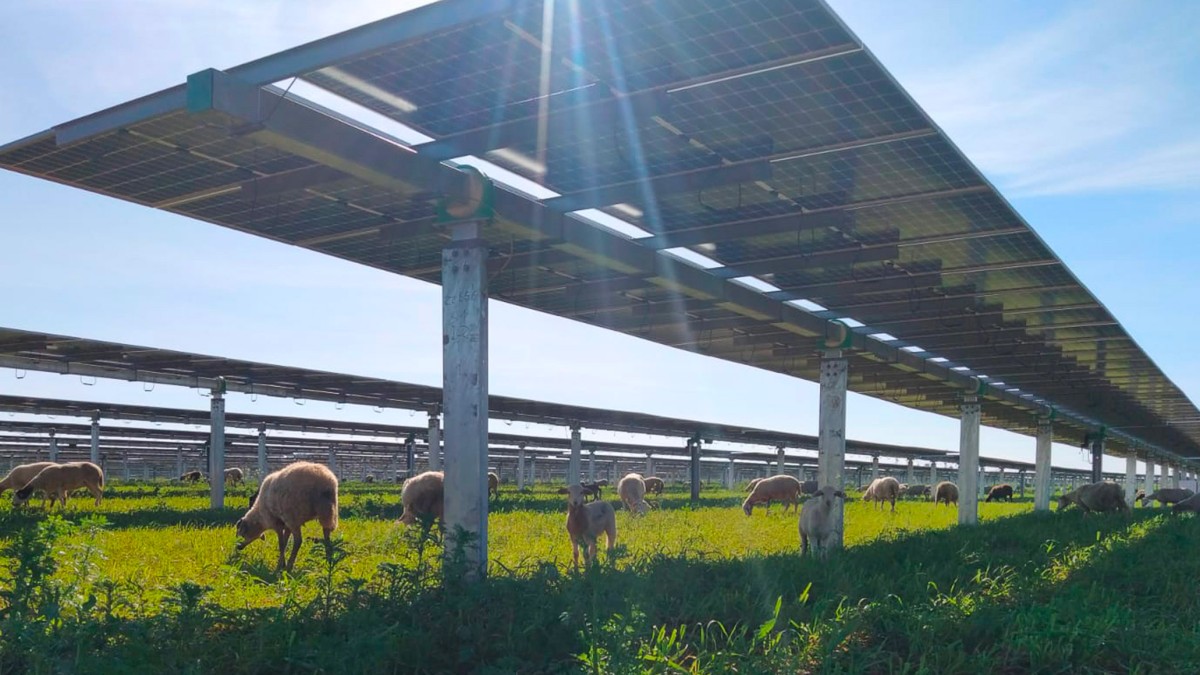
Turkey plans to spend $108 billion over the next ten years to develop its alternative energy infrastructure, eyeing 120 GW in installed wind and solar capacity. At the same time, Turkey is also spending heavily on securing long-term oil and gas supply—and planning to become a major regional gas hub for Europe.
“Under our Renewable Energy 2035 Road Map, we aim to reach an installed capacity of 120 gigawatts in wind and solar power,” Turkey’s energy minister Arpaslan Bayraktar told Anadolu Agency. “To achieve this, we project investments of approximately $80 billion in generation and $28 billion in transmission infrastructure,” Bayraktar added.
The investment plans are in line with European transition priorities that call for further expansion in wind and solar generation capacity and grid upgrades that would allow more of the output from this wind and solar capacity to reach end consumers instead of getting wasted during times of high generation and low demand.
Turkey plans to cover as much as 35% of its final energy demand with electricity by 2035, again in keeping with other countries’ electrification plans, motivated by the assertion that electricity is generated domestically and not imported—even though some major proponents of the idea, such as the UK, are heavy electricity importers.
“By electrifying daily life, from transport to buildings and industry, we can protect families and businesses from volatile energy markets. This 35% by 2035 target will be one of the defining priorities of our COP31 presidency,” Turkey’s environment minister, Murat Kurum, said earlier this year. Turkey is hosting the COP event this year.
The matter of market volatility in energy this year became extremely urgent as the war between the United States and Israel, and Iran, pushed oil and gas prices to the highest levels in years, with the chance of a major decline slim at the moment. The energy commodity price surge has lent additional momentum for the energy transition in the countries that are investing in it most heavily—except China, where subsidies are being cut back, and wind and solar growth is slowing down.
Turkey is already building out its alternative energy capacity at speed. Last month, energy minister Bayraktar said that the country had “quadrupled its installed electricity capacity, from 32,000 megawatts to 126,000 megawatts,” over the 24 years since 2001. He also boasted that Turkey had commissioned some 96 GW of new capacity in the period and now has the third-largest installed generation capacity in Europe, after France and Germany.
Installed capacity, however, is rather misleading when it comes to alternative energy generation. In baseload, installed capacity can be fully utilized on demand. In wind and solar, installed capacity serves as a reference point and little else, due to the complete dependence of wind and solar installations on the weather.
This is probably why Turkey is as active in oil and gas drilling—at home and abroad—as it is in building wind and solar installations. At home, the state energy company, TPAO, operates the massive Sakarya field in the Black Sea, which is currently producing gas at a daily rate of 9.5 million cubic meters. Abroad, TPAO has interests in Pakistan, Libya, and, recently, Somalia. The country is also exploring for oil and gas offshore Cyprus, which has caused tensions with the Cypriot government, which has accused Turkey of drilling within its exclusive economic zone.
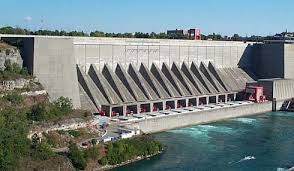
Turkey already sources a lot of its electricity from non-hydrocarbon sources. Hydropower accounts for around 17% of total generation. Wind and solar together accounted for some 22% last year. Coal, however, remains at a higher share of the country’s energy mix, at 34%. The Turkish government appears to be aware of the importance of baseload generation—much like the Chinese government, with its all-of-the-above approach to energy security.
By Irina Slav for Oilprice.com
More Top Reads From Oilprice.com
- Hormuz Shipping Traffic Remains Stuck in Single Digits
- Germany Weighs Market Incentives to Boost Record Low Gas Storage Level
- TTF Gas Hits $92.95 as Gulf Tensions Weigh on Energy Markets
Download The Free Oilprice App Today





Irina Slav
What I Cover
Irina Slav has been writing about global energy markets since 2007, covering the oil and gas industry, energy security, commodities, and the…


