

Advertisement
You have a preview view of this article while we are checking your access. When we have confirmed access, the full article content will load.
The rules, a topic of fierce debate in the administration, could cut back on Nvidia’s sales to foreign data centers serving Chinese companies.

The Trump administration said on Monday that it was moving forward with a new rule that would clamp down on China’s ability to access advanced A.I. chips through the use of data centers outside China’s borders.
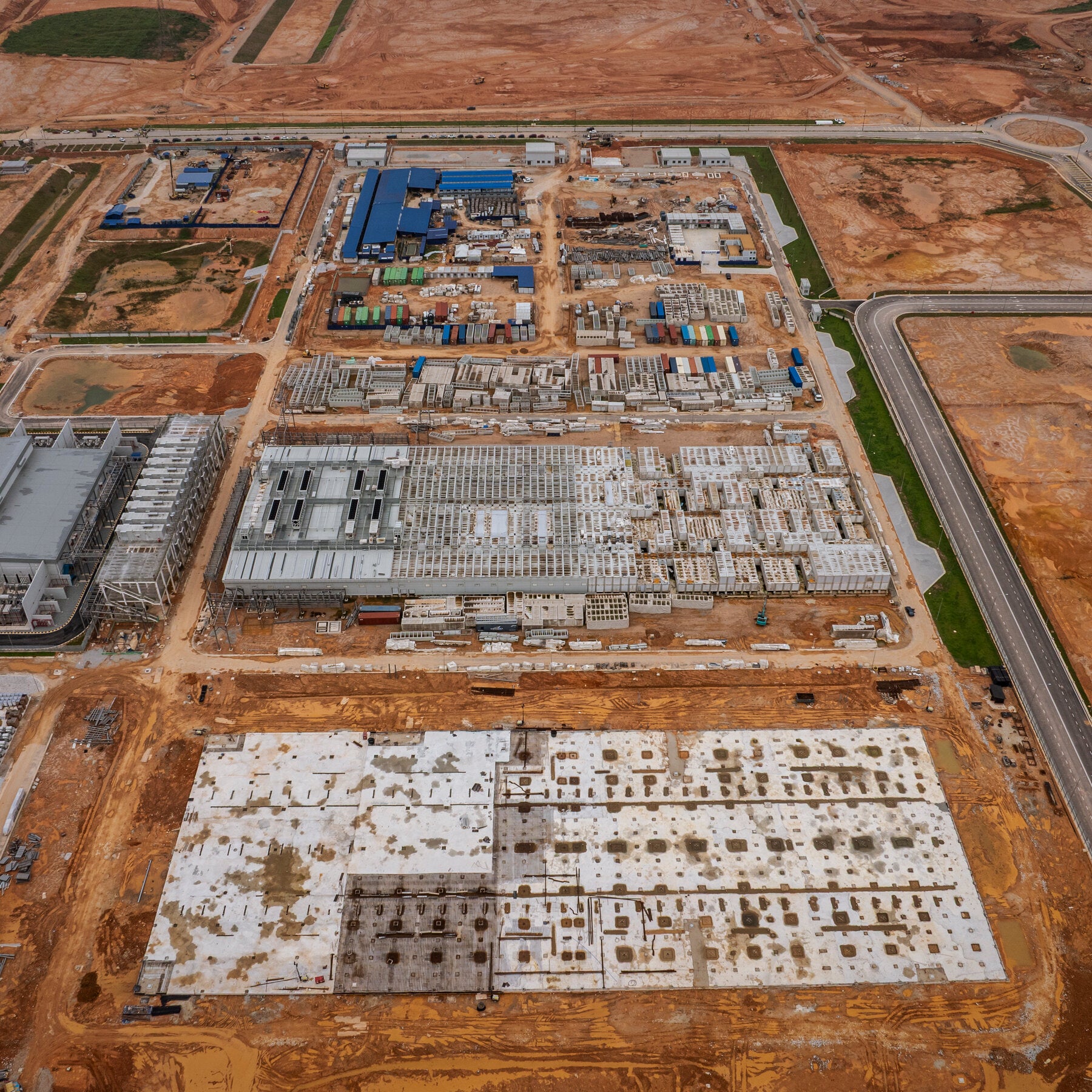
The rule aims to close what many in Washington see as a loophole that has allowed China to sidestep a Commerce Department ban that prevents Chinese firms from buying the most advanced A.I. chips made by companies like Nvidia. China’s ability to continue accessing the chips by renting them from data centers in Southeast Asian countries and elsewhere has been a significant source of contention within the Trump administration.
The new rule establishes restrictions for overseas data centers that supply “significant volumes of computing power” to firms with headquarters in a small group of high-risk countries, a list that includes China, Russia and Iran. Data centers are also required to perform due diligence on their customers. The provision, which goes into effect in 90 days, will “undermine” the ability of companies in those countries from using U.S. chips to train advanced A.I. models, the release said.
It will also require a license to export advanced chips to companies with headquarters in Indonesia, Malaysia, Singapore, Thailand or Brazil, which have a higher than normal risk of smuggling, the administration said.
The plan to restrict that loophole comes just days before President Trump is scheduled to travel to China for an economic summit, where he will also meet with the Chinese leader, Xi Jinping.
Share prices of chip stocks tumbled on Monday morning. Nvidia fell more than 2 percent. Intel fell by more than 6 percent and Micron by more than 7 percent. Indexes that track these stocks fell too — the Philadelphia Semiconductor index sank by more than 5 percent, and the broader, tech-heavy Nasdaq opened in the red, too.
Related Content
Advertisement
