







Amp Week 2026: For fans of high-gain amps, 1992 was a breakthrough year unlike any other (previously or since). This period saw the introduction of the Peavey 5150, Mesa/Boogie Dual Rectifier, Bogner Ecstasy, VHT Pitbull Ultra Lead and other contenders, along with the Engl Savage 120 arriving in early 1993.
All of these were game-changing models that still play a major role in the sound of rock and metal guitar.
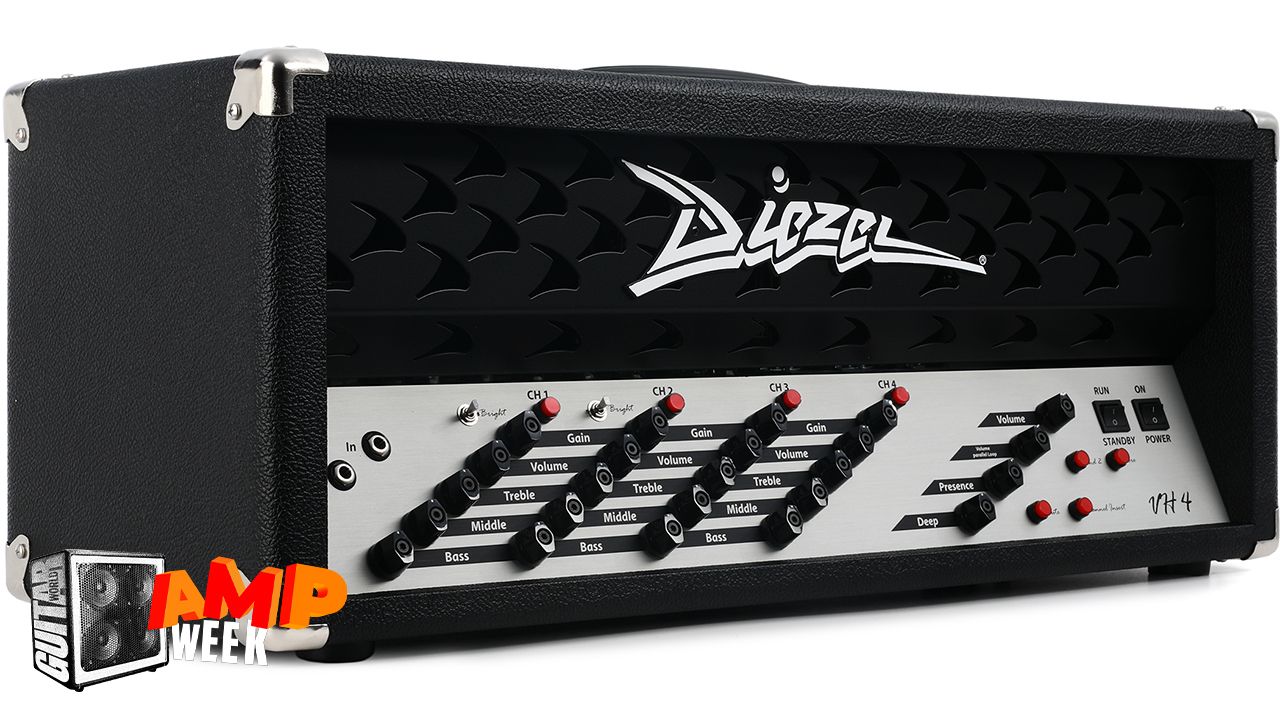
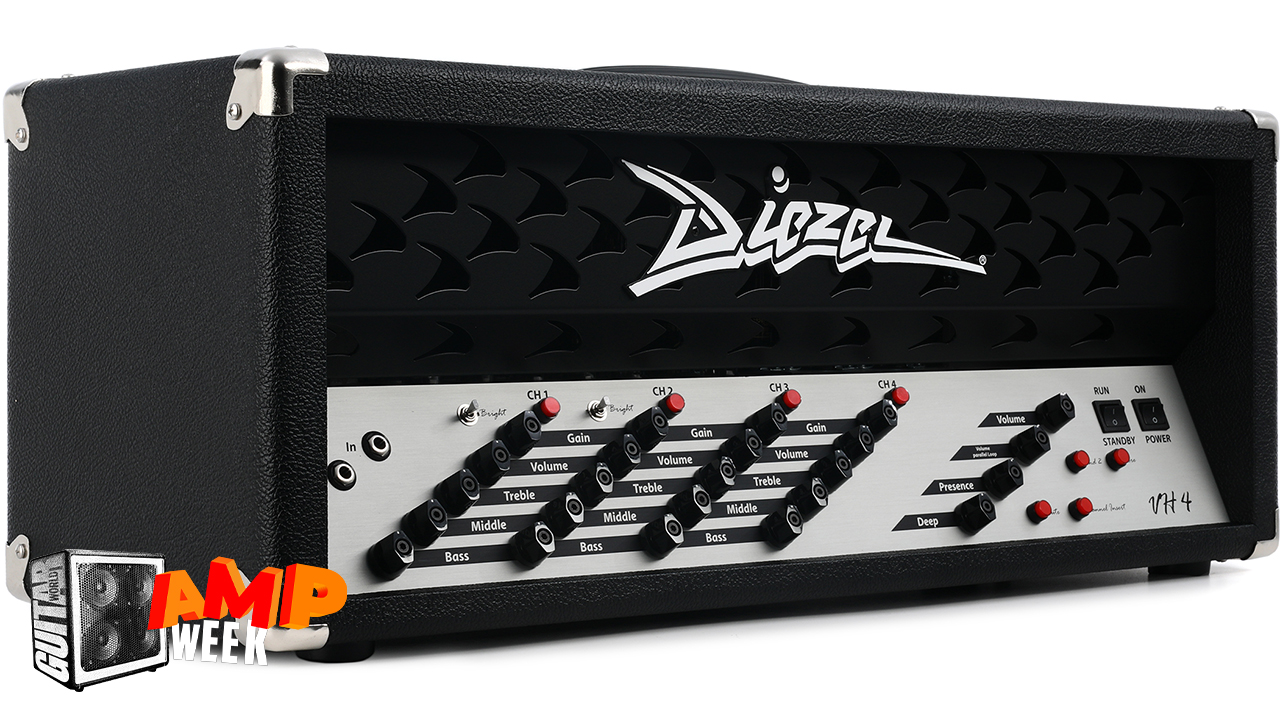
Perhaps the most outlandish amp to make its bow during 1992 was the Diezel VH4 – a 100-watt beast driven by four EL34 or KT77 power tubes and featuring four truly independent channels, each with its own preamp section and 12AX7 preamp tubes (a total of seven).
Article continues below
One of the more complicated features of the VH4’s design is that a MIDI controller is essential for live performance channel switching, but the inclusion of MIDI In and Thru jacks also allowed guitarists to easily incorporate the amp in a sophisticated rig with other MIDI devices like preamps and effects, or even other amps.
NOTHING sounds like the Diezel VH4! – YouTube
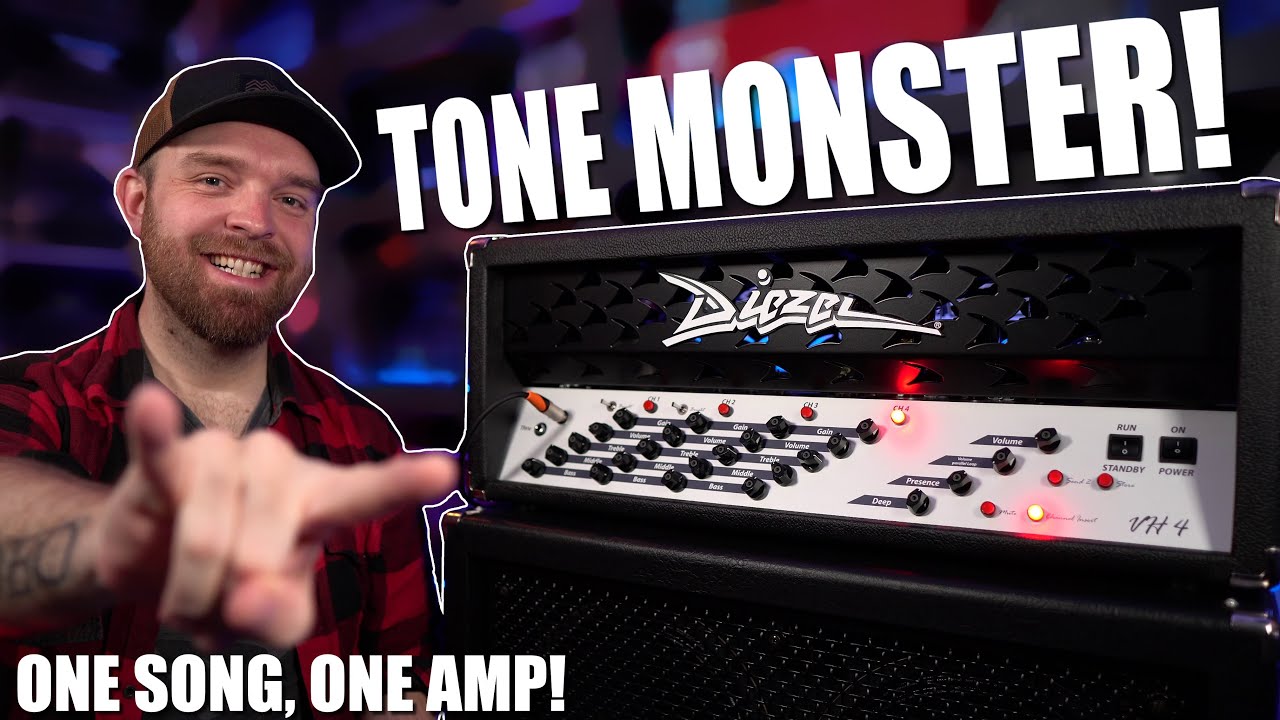
The genius of the VH4’s overall design was how it provided relatively simple, no-nonsense operation that made it easy for any guitarist to dial in desired sounds while delivering instant access to four very distinct tones. The slanted configuration of each channel’s control knobs is eye-catching but also functional, helping to avoid confusion when dialing in tones for each channel.
It has its own unique tonal character and textures that never attempt to emulate popular Fender and Marshall sounds
However, the VH4 was not the typical “everyman” chameleon amp that many multi-channel amps aspire to be. It has its own unique tonal character and textures that never attempt to emulate popular Fender and Marshall sounds, but rather improve upon them or go beyond them.
The Mega channel, in particular, has played a major role in heavy guitar tones since the early ’90s with its huge, focused bass, lower midrange punch and searing treble.
This is the channel that players like James Hetfield and Kirk Hammett, Muse’s Matt Bellamy, Tool’s Adam Jones, Dave Mustaine and Korn’s Munky and Head have frequently relied on to craft thick, harmonically complex rhythm guitar tones, particularly when using down-tuned guitars.
Diezel VH4 | Legendary For A Reason – YouTube
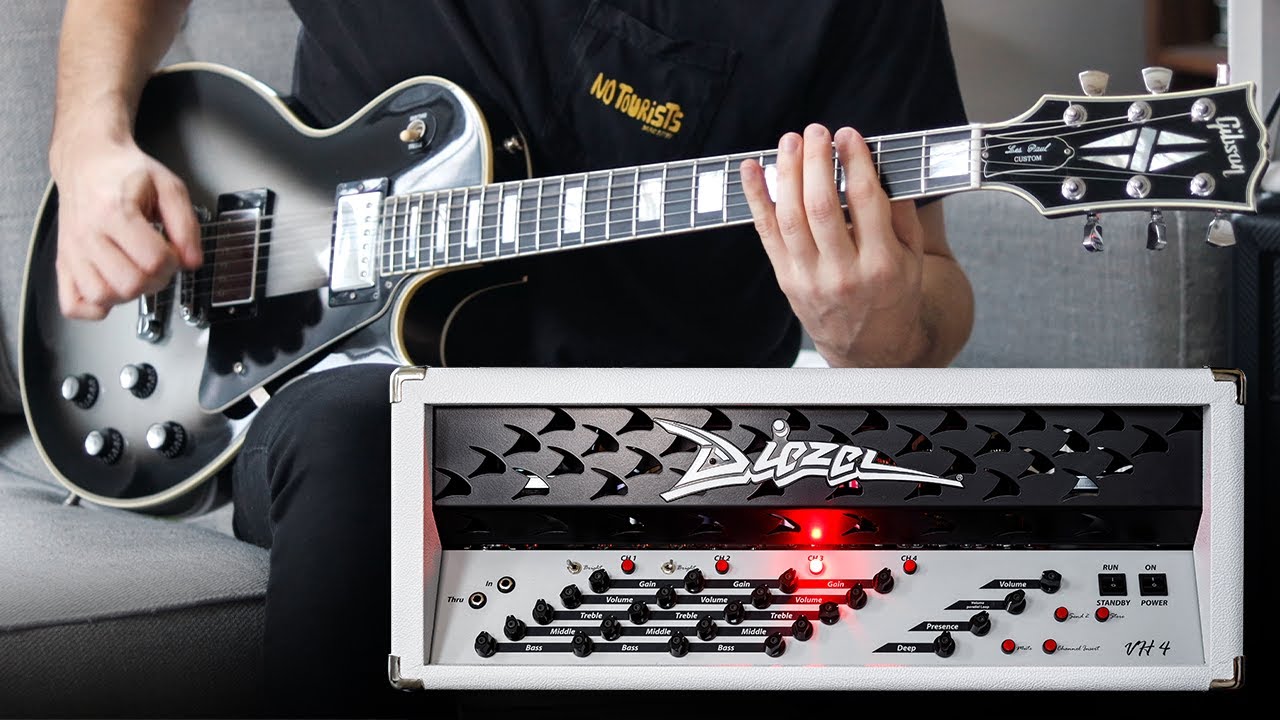
’80s shredders like Warren DeMartini, Chris Impellitteri and George Lynch have also turned to the Diezel VH4 for modernized rhythm tones and sustaining leads, often preferring the smooth, compressed high-gain textures of its Lead channel.
Unlike many high-gain amps, the VH4 also delivers bluesy overdrive and crisp clean tones. In fact, John Fogerty uses the Clean channel of a Diezel VH4 on stage to replicate the crystalline sounds of his old Kustom K200A amps when performing Creedence Clearwater Revival classics.
- For more stories, tips and insights on all things amplified, check out the rest of our Amp Week coverage.
- This article first appeared in Guitar World. Subscribe and save.
” data-join-the-conversation-text=”Join the Conversation”>
You must confirm your public display name before commenting
Please logout and then login again, you will then be prompted to enter your display name.


