





The end of the conflict with Iran will be accompanied by a sigh of relief from anyone planning air travel. For months, jet passengers have worried that flights might be cancelled due to a lack of jet fuel, given that 20% of the world’s supply transits through the Strait of Hormuz.
At one point, the International Energy Agency said Europe had “maybe six weeks” of supplies left, and commercial airlines cancelled thousands of seats.
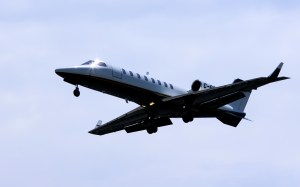
But two private jet operators have now told Fortune that there never was a shortage of jet fuel. Sure, the price went up, but at no point was fuel close to being unavailable, they both said.
“We have not seen any shortage of fuel anywhere, whether it’s domestic in the United States or for European travel,” said Jamie Walker, CEO of Jet Linx, a company that manages private jet fleets. Jet Linx has about 100 planes in 22 locations.
“We have obviously seen price increases, but we have not seen shortages in any of the airports that we’ve operated into.”
Previously, Greg Raiff, CEO of private jet services company Elevate Jet, told Fortune the same thing.
In fact, sales are up 80% on Jet Linx’s jet cards, Walker said. “Production of fuel has gone up by 6X, and so the U.S. is actually exporting a ton of fuel right now to Europe to overcome that shortage.”
“As an airline, we’re not seeing what they’re saying. There’s zero issue with [jet fuel], we’re buying from the same pump.”
Officials now say the same thing. Saudi Arabia is projected to ship more jet fuel in June than it did before the strait was closed: 118,000 barrels per day, up from 140,000 barrels, Reuters reported.
“There is currently no jet fuel shortage in Europe. We have no signs that we will have a shortage in the coming period,” European Union transport commissioner Apostolos Tzitzikostas said in early June. “Some airlines are choosing to cancel some of their routes that didn’t make any economic sense,” Tzitzikostas said.
Elevate’s Raiff previously told Fortune that he suspected the flight cancellations were driven by commercial airlines wanting to weasel out of routes that became less lucrative as the price of jet fuel went up.
Subscribe to Fortune Gulf Brief. Every Tuesday, this new newsletter delivers clear-eyed, authoritative intelligence on the deals, decisions, policies, and power shifts shaping one of the world’s most consequential regions, written for the people who need to act on it. Sign up here.
About the Author


Jim Edwards is the executive editor for global news at Fortune. He was previously the editor-in-chief of Business Insider’s news division and the founding editor of Business Insider UK. His investigative journalism has changed the law in two U.S. federal districts and two states. The U.S. Supreme Court cited his work on the death penalty in the concurrence to Baze v. Rees, the ruling on whether lethal injection is cruel or unusual. He also won the Neal award for an investigation of bribes and kickbacks on Madison Avenue.


![Ripple [XRP] News Roundup: $2 Billion Whale Buy Meets a Make-Or-Break Resistance Wall](https://europenews.uk/wp-content/uploads/2026/09/146911-ripple-xrp-news-roundup-2-billion-whale-buy-meets-a-make-or-break-resistance-wall-450x236.jpg "Ripple [XRP] News Roundup: $2 Billion Whale Buy Meets a Make-Or-Break Resistance Wall")