

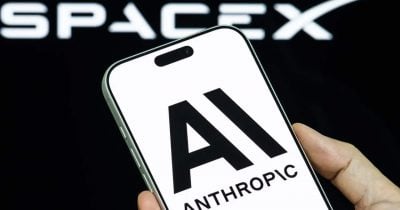
SpaceX publicly filed its S-1 prospectus with the SEC on May 20, targeting a $75 billion raise on the Nasdaq under the ticker SPCX. At a share price of $135 across 555.6 million shares, the listing implies a valuation somewhere between $1.75 trillion and $2 trillion. That would make it the largest US IPO ever, by a wide margin.
Anthropic followed less than two weeks later, confidentially filing its own draft registration statement on June 1. The AI company is now ahead of rival OpenAI in the race to go public, with analysts projecting a debut valuation between $900 billion and $1 trillion. OpenAI, for its part, is working with Goldman Sachs and Morgan Stanley on a potential September or Q4 2026 listing, aiming to raise around $60 billion at a $1 trillion valuation target.
Add it all up and these three companies could collectively pull somewhere north of $150 billion to $200 billion from public markets. For context, that figure alone would dwarf total US IPO proceeds from most recent full calendar years.
The SpaceX factor
SpaceX has been the most transparent of the three, moving from a confidential submission in April to a full public filing in May. The company’s targeted valuation of up to $2 trillion would place it among the most valuable publicly traded companies on Earth, roughly in the same neighborhood as Apple and Microsoft.
Investors are already zeroing in on governance questions, capital allocation strategies, and a concern unique to SpaceX: the gap between what Elon Musk says publicly and what appears in official SEC filings. Musk has a well-documented history of making market-moving statements on social media that don’t always align neatly with corporate disclosures. For a private company, that’s a headache. For a public one subject to securities law, it’s a potential liability.
Anthropic and OpenAI: the AI arms race goes public
Anthropic’s projected valuation of $900 billion to $1 trillion is remarkable for a company that, like most frontier AI labs, has been burning through cash at an extraordinary rate. Training and running large language models is enormously expensive, with compute costs running into the billions annually.
OpenAI faces the same cost dynamics, but with additional complexity. The company’s unusual corporate structure, which involved a transition from its original nonprofit governance model, has already drawn scrutiny from regulators and the public alike. A $1 trillion IPO valuation would make it one of the most valuable companies to ever list, all while the organization is still navigating questions about its governance framework and long-term profitability path.
What this means for investors
The sheer scale of these listings will test market liquidity in ways we haven’t seen before. Combined proceeds exceeding $150 billion means that capital has to come from somewhere. Institutional investors reallocating into these IPOs may need to trim existing positions, which could create selling pressure across tech and growth stocks more broadly.
The governance risks are not theoretical. SpaceX’s filing will force a level of financial transparency that Musk’s companies have historically avoided. For Anthropic and OpenAI, the scrutiny will center on burn rates, customer concentration, and whether their revenue growth can outpace the escalating cost of staying competitive in the foundation model race.
Disclosure: This article was edited by Editorial Team. For more information on how we create and review content, see our Editorial Policy.
