



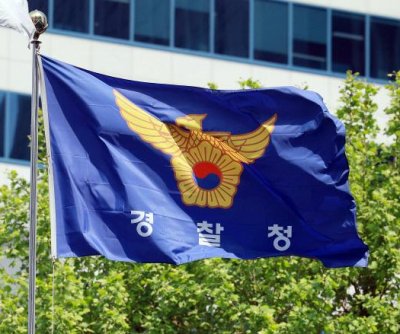
The National Police Agency headquarters in Seoul. Prosecutors requested supplementary police investigations in 65,913 cases during the first half of 2026. Photo by Asia Today
July 19 (Asia Today) — South Korean prosecutors sent more than 65,000 cases back to police for additional investigation in the first half of this year, highlighting growing concerns about police workloads and weakening cooperation between the two agencies.
Prosecutors issued supplementary investigation requests in 65,913 cases from January through June, according to National Police Agency data obtained by Rep. Kim Jae-seop of the opposition People Power Party.
The number reached 110,623 last year, the highest annual figure since the statistics were first compiled. That represented a 27.2% increase from 86,954 cases in 2021, the first year the system was implemented.
A supplementary investigation request allows prosecutors to require police to conduct additional inquiries when they determine that a transferred case lacks sufficient evidence or contains problems in the application of the law.
Prosecutors do not conduct the additional investigation themselves. Instead, police must reopen their work on the case and address the deficiencies identified by prosecutors.
The system was introduced after South Korea revised the division of investigative authority between prosecutors and police, giving police primary responsibility for investigating most criminal cases and greater power to close them.
Critics say police staffing and investigative expertise have not kept pace with the expanded responsibilities. The growing number of complex financial and digital crimes has also increased the difficulty of investigations.
Police officers say the repeated return of cases, rather than the supplementary investigation system itself, is increasing their workload.
Officers must continue handling newly reported crimes while conducting additional work on cases they have already transferred to prosecutors, potentially delaying both.
A police superintendent responsible for more than 130 cases said some cases are returned because prosecutors seek additional legal precedents even when police believe the evidence is sufficient to request a warrant.
“When supplementary requests are repeated, the handling of other cases is inevitably delayed as well,” the officer said.
The number of unresolved cases registered by police has exceeded 200,000 annually for four consecutive years.
Unresolved cases rose from 135,431 in 2018 to 220,241 last year, an increase of 62.6%.
Police registered 102,567 unresolved cases through June, putting the annual total on course to surpass 200,000 again this year.
The number of unresolved fraud cases has increased particularly sharply. More than 80,000 such cases were registered last year, more than 10 times the 7,093 recorded in 2018.
— Reported by Asia Today; translated by UPI
© Asia Today. Unauthorized reproduction or redistribution prohibited.
Original Korean report: https://www.asiatoday.co.kr/kn/view.php?key=20260719010006474