






RIO DE JANEIRO, Brazil — Rio Mayor Eduardo Cavaliere announced a 225 million real ($45 million) investment package through 2028 that includes public policies, grant programs and initiatives aimed at strengthening the local cultural sector and film and TV industries.
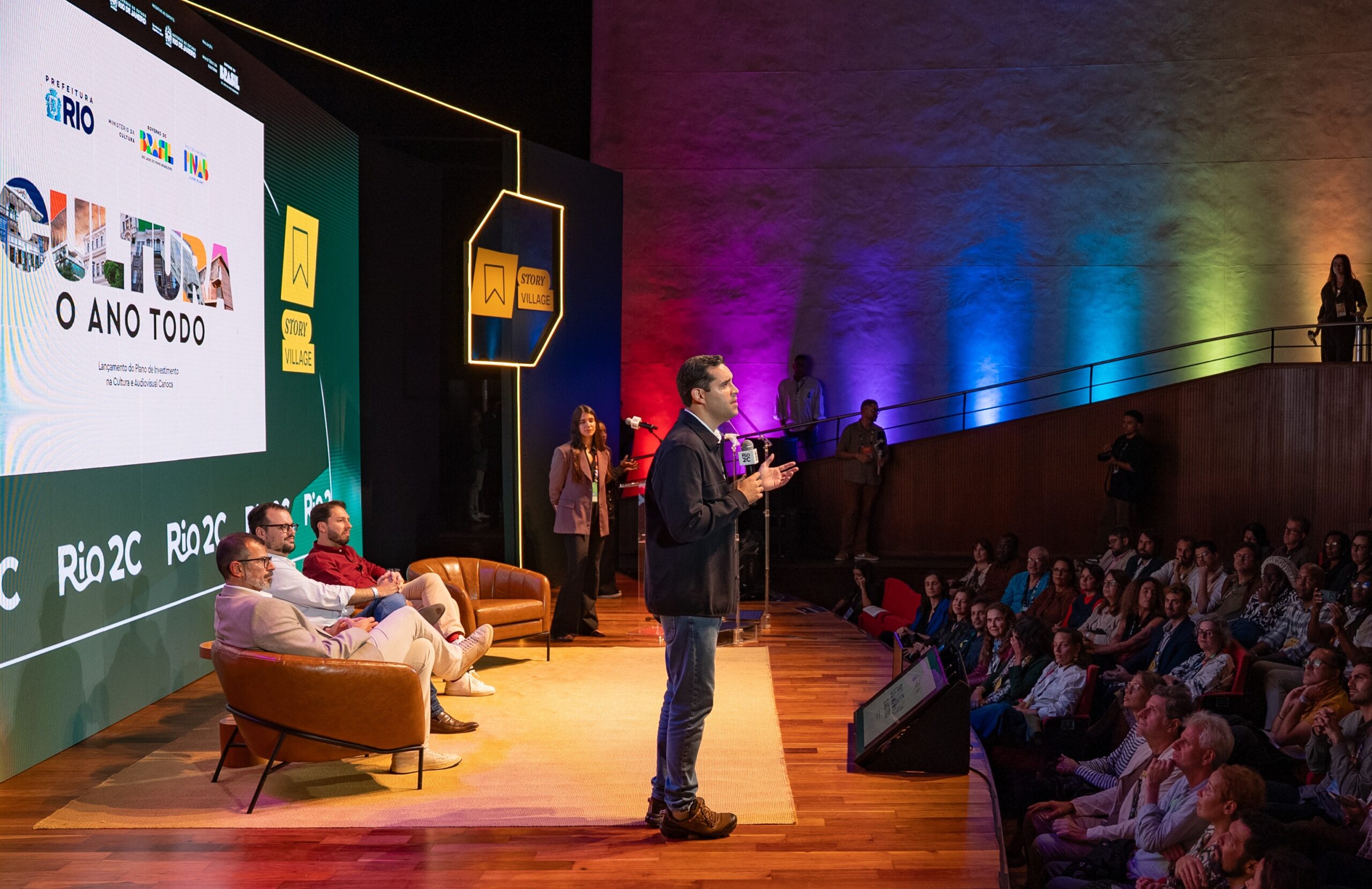
Cavaliere made the announcement during Rio2C, the largest creativity gathering in Latin America, in the panel Culture All Year Round, which also counted with the participations of Márcio Tavares, the executive secretary of Brazil’s Ministry of Culture, Lucas Padilha, Rio’s secretary of culture, Leonardo Edde, president of Riofilme, and Renata Magalhães, president of the Brazilian Cinema Academy.
The investments are part of the Plan for Culture and the Audiovisual Industry in Rio de Janeiro. The effort aims at expanding access to financial resources, supporting cultural institutions and consolidating Rio as a hub for cultural and audiovisual production.
Popular on Variety
“We have signed the release of a record investment that places the city of Rio in a leading position within the highly important audiovisual industry. This investment will make hundreds of productions possible,” Cavaliere said. “The [creative] industry generates jobs, creates income and, especially, makes Rio de Janeiro a relevant place in the world.”
Among the key announcements was the creation of an unprecedented continuous-flow funding policy, featuring permanent grant calls focused on strengthening cultural institutions and increasing the speed of the approval and payment processes. The model includes four selection cycles throughout the year, with up to eight projects selected per cycle.


(Left to right) Lucas Padilha, Márcio Tavares, Eduardo Cavaliere, Renata Magalhães and Leonardo Edde.
Iago Campos
The City of Rio will also fund grant programs for research and artistic residencies, awards that value popular and urban cultural expressions and encourage local artistic production, new actions focused on archives and memory preservation, the mapping and recognition of masters of popular culture, and the Library of Knowledge on the Praça Onze square and the Rio Africas Cultural Center in Cais do Valongo.
“The audiovisual industry is strategic for our country and gives Brazil a major leadership role. International productions have been seeking out Rio de Janeiro as a filming location. It is an industry that needs encouragement, and we continue to grow with it, moving forward and making Rio de Janeiro increasingly the audiovisual capital of Brazil and the world,” Cavaliere said.


