


LPG demand is softening, with bookings dropping to 46-50 lakh, according to the Ministry of Petroleum and Natural Gas. Despite this decline, domestic supply remains stable with no reports of shortages at distributors.


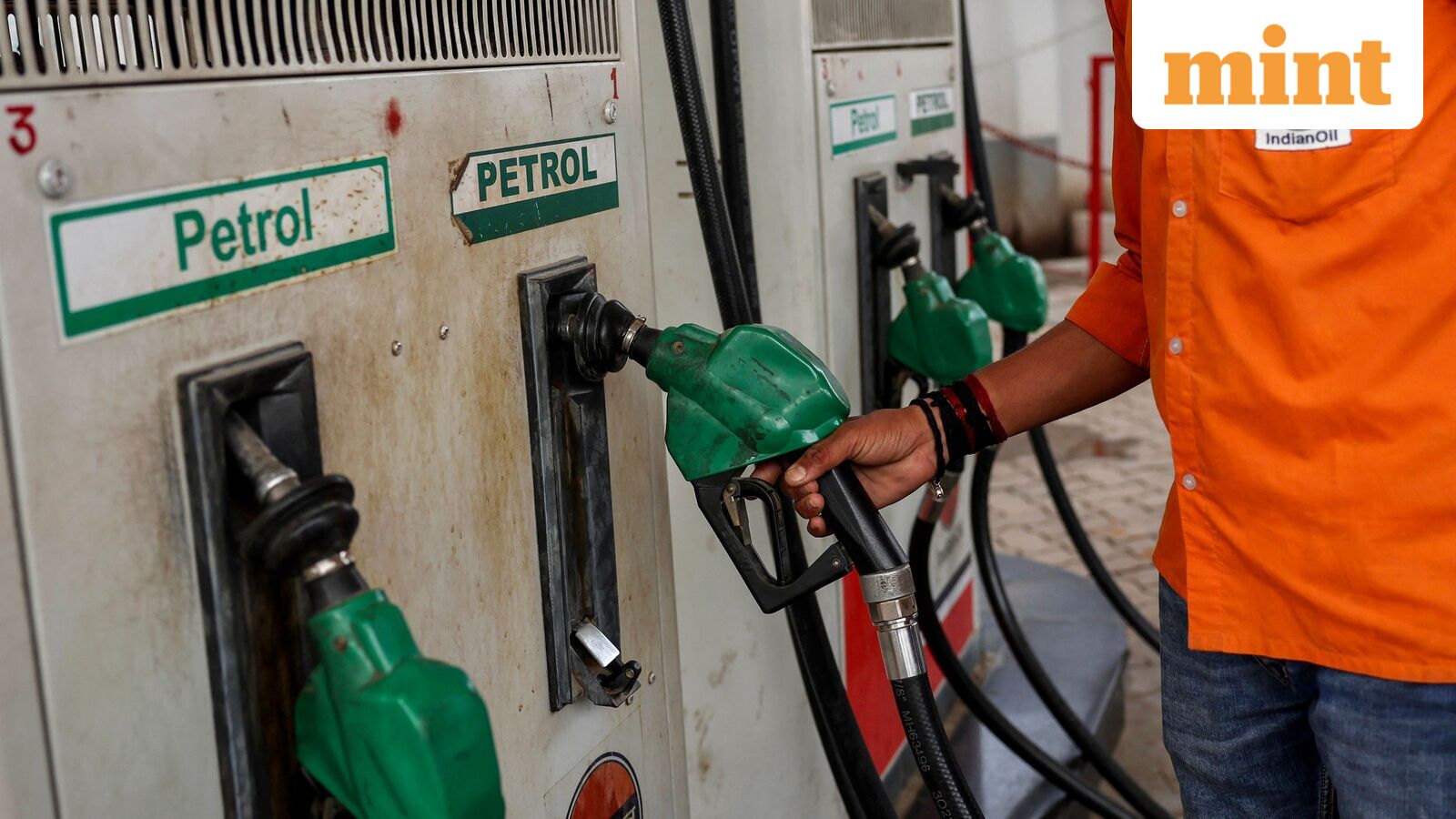
Fuel prices at the retail level in India continue to remain steady. State-owned Oil Marketing Companies (OMCs) have mostly kept rates unchanged in order to cushion consumers from ongoing fluctuations in global markets. Despite significant volatility in international commodity prices, petrol and diesel rates at state-run outlets have not been revised today.
As of 6:00 AM, retail prices of petrol and diesel across major Indian cities remain unchanged.
Check fuel prices in your cities here:
| Cities | Petrol ( ₹/litre) | Diesel ( ₹/litre) |
|---|---|---|
| New Delhi | ₹94.77 | ₹87.67 |
| Mumbai | ₹103.50 | ₹90.03 |
| Bangalore | ₹102.96 | ₹90.99 |
| Kolkata | ₹105.41 | ₹92.02 |
| Chennai | ₹100.90 | ₹92.49 |
| Lucknow | ₹94.69 | ₹87.81 |
| Hyderabad | ₹107.50 | ₹90.03 |
Oil and gas plunge on Hormuz opening -Check Brent crude oil price here
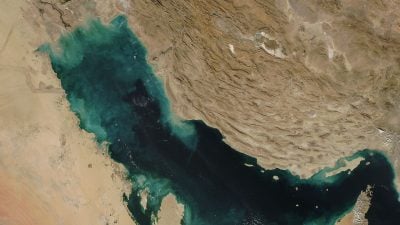
Oil and European natural gas prices dropped sharply after the planned reopening of the Strait of Hormuz fueled strong optimism that the U.S.-Iran conflict may be nearing an end, potentially reducing disruptions in global energy markets, as reported by Bloomberg.
Brent crude futures fell 9.1% to around $90 per barrel, giving back some of the gains triggered by the conflict, while West Texas Intermediate declined to about $84. Meanwhile, Europe’s benchmark natural gas prices slid by as much as 10%, closing the day near €39 per megawatt-hour, Bloomberg reported.
LPG demand softens, bookings fall to 46-50 lakh, supply remains normal: Govt
LPG demand is expected to moderate during the summer season, with bookings already witnessing a decline, said Sujata Sharma, Joint Secretary (Marketing & Oil Refinery), Ministry of Petroleum and Natural Gas, during an inter-ministerial briefing on recent developments in West Asia on Friday.
She stated that LPG bookings have come down to the range of 46 lakh to 50 lakh, compared to levels of more than 50 lakh earlier, indicating a seasonal dip in demand.
“Summer, yes, LPG demand is expected to come down. Bookings have declined and now we are witnessing booking in the range of 46 lakhs to 50 lakhs, which was more than 50 lakhs earlier,” she said.
Despite the decline in demand, the government assured that the domestic supply remains stable. Sharma said there have been no reports of LPG shortages at the distributor level, and deliveries continue as usual.
“Our domestic LPG supply, including petrol and diesel, is normal. There have been no reports of any dry-out of LPG at any distributor,” she said.
Middle East war: What’s the latest?
Iran briefly reopened the Strait of Hormuz on Friday after a ceasefire deal in Lebanon, boosting hopes for renewed peace negotiations. However, Tehran cautioned that it might shut the vital shipping route again if the U.S. Navy maintains its blockade of Iranian ports.
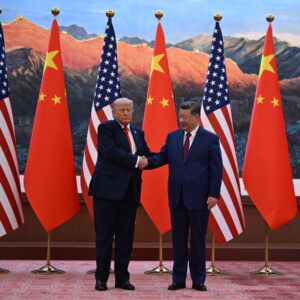
US President Donald Trump, whose joint military actions with Israel against Iran began on February 28, resulting in thousands of deaths and effectively closing the Strait, told a rally crowd in Arizona that Araqchi’s statement signalled “a great and brilliant day for the world.”
However, Trump said a U.S. blockade of ships sailing to Iranian ports, announced after talks with Iran last weekend ended without agreement, would remain until “our transaction with Iran is 100% complete”.
Our domestic LPG supply, including petrol and diesel, is normal.
Wall Street topped records Friday after Iran’s announcement reopening the Strait of Hormuz sent oil prices tumbling from a peak of nearly $120 a barrel to $90.38 for the Brent.
(With inputs from agencies)
Key Takeaways
- Global oil prices are influenced by geopolitical events, such as the U.S.-Iran conflict.
- Despite international price fluctuations, Indian fuel prices have remained stable.
- LPG demand typically declines during the summer, but domestic supply remains unaffected.
About the Author
Mausam Jha
Mausam Jha is a journalist who focuses on world affairs and politics. She provides clear, informative reporting with a good understanding of both global events and their local impact.
Her clear, accessible reporting on political and international issues makes her a trusted source of news and analysis.
For the past three years, Mausam has worked with Mint, covering national politics, IR—including elections—and global affairs.
Before joining her current role, she gained experience working with The Statesman, ANI, and Financial Express, where she honed her skills in political and international news.
She has consistently tracked key electoral battles, including US elections, Japan elections, policy debates, and strategic affairs, explaining how global currents, from great power competition to regional conflicts
Beyond journalism, Mausam has a deep engagement with international relations, diplomacy, war studies, terrorism, political history, and political theory. She is particularly interested in the intersection of statecraft and society on how governance, ideology, and institutions shape lived realities, and how politics shape today’s world order.
An avid reader of classical literature and political thought, she constantly explores the connections between historical ideas and contemporary policy challenges.