

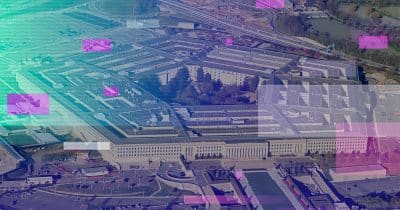
The Pentagon is telling Congress to get out of the way of its data center ambitions. On June 23, Chief Technology Officer Emil Michael made the case publicly that proposed congressional restrictions on building data centers and deploying AI at military installations could undermine the Department of Defense’s technology modernization push.
What the Pentagon actually wants
The DoD is actively soliciting proposals for new AI-focused data centers at several military installations. The list includes Fort Cavazos (formerly Fort Hood), Fort Liberty (formerly Fort Bragg), Fort Bliss, and Dugway Proving Ground. These facilities are designed to support the Pentagon’s expanding portfolio of AI-driven military systems, from logistics optimization to advanced weapons platforms.
Michael, in a recent interview, flagged specific concerns about regulatory provisions that could slow these projects during what he described as a period of supply chain recovery.
The Army has warned that restrictions on foreign equipment, particularly provisions in the House Appropriations Bill targeting components from China, Russia, and Iran, could actively discourage private technology companies from partnering with the military.
The congressional counter-argument
The proposed restrictions stem from legitimate national security concerns about foreign adversaries embedding vulnerabilities in hardware used at sensitive military sites. Lawmakers have floated a moratorium on new AI data centers while they debate broader oversight frameworks for military AI usage.
The US government spent years untangling Huawei equipment from telecommunications networks after determining the Chinese firm posed security risks.
Google famously walked away from Project Maven in 2018 amid employee backlash. The calculus for tech companies considering military contracts includes not just profit margins but regulatory burden.
Disclosure: This article was edited by Editorial Team. For more information on how we create and review content, see our Editorial Policy.
