



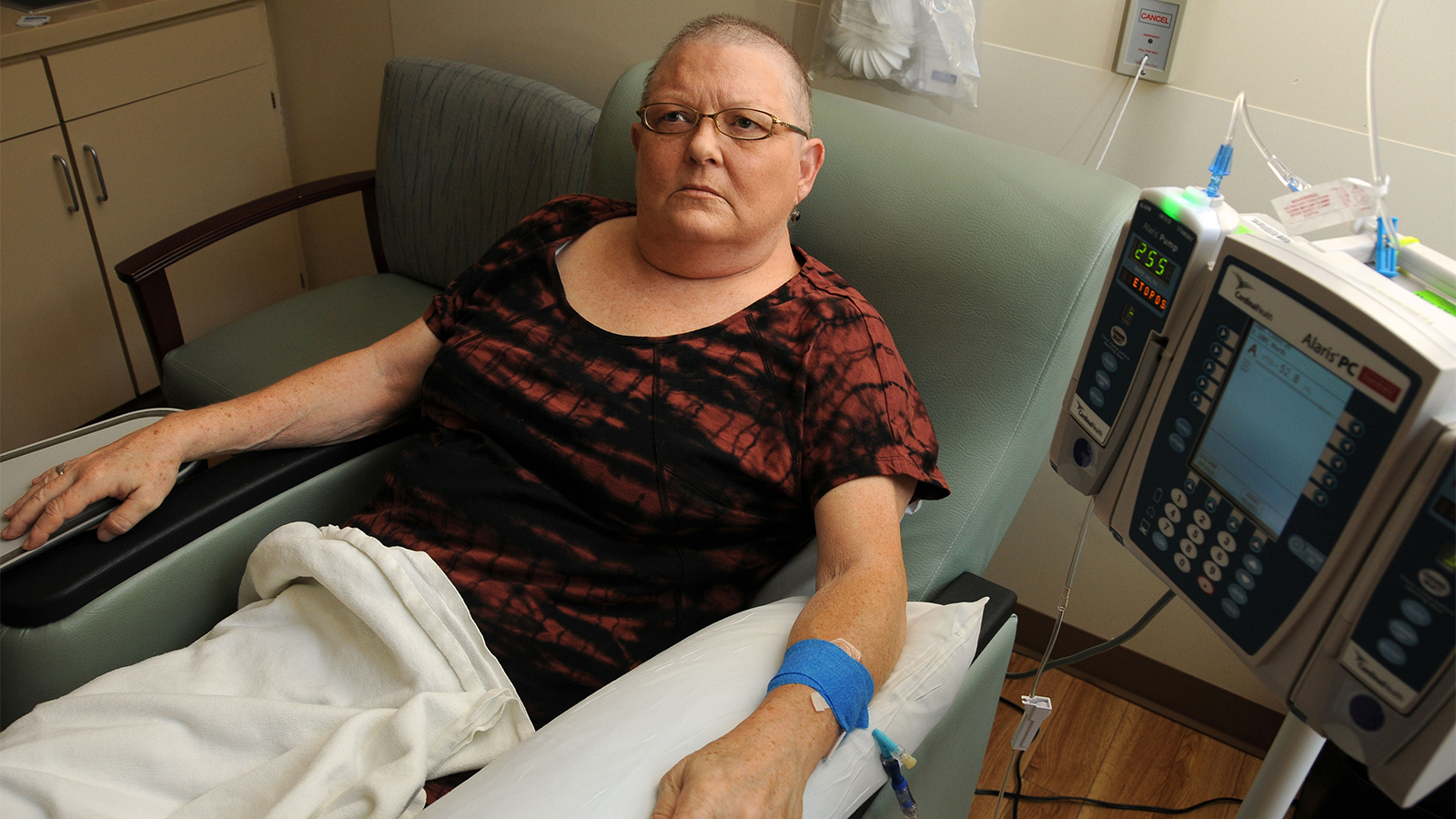
- Patients with advanced cancer were twice as likely to report receiving life-extending care despite an expressed preference for comfort-focused care.
- Discordant care did not improve 24-month survival as compared with patients who received comfort-focused care.
- The study did not address potential reasons for the higher rate of patient-reported discordant care among patients with advanced cancer.
Patients with advanced cancer often think cancer specialists prioritize longer life over the patient’s expressed desire for comfort, according to a survey of patients with cancer and other serious illnesses.
Twice as many patients with advanced cancer, as compared with other conditions, reported receiving care that conflicted with their preference for comfort-focused care (37% vs 19%). Among cancer patients who preferred comfort-focused care, the 24-month mortality did not differ significantly between those who received discordant life-extending care and those whose care focused on comfort.
The proportion who expressed a preference for comfort-focused care did not differ significantly between those with cancer or other serious illnesses, nor did the 24-month mortality, reported Manan P. Shah, MD, of UCLA Health in Los Angeles, and co-authors in Cancer.
“The take-home message is very simple and clear: We need to talk to our patients and listen to them,” Shah told MedPage Today. “We can’t assume patients’ goals. We need to explicitly chat with them and find out what their priorities are. It’s our job as oncologists to provide the education about what the prognosis is, what the different treatment options are, what the treatment options lead to in terms of outcomes and side effects, and make sure that the patients understand all of the different options available.”
“We need to help patients make an educated decision about what suits their personal goals and then follow that,” he added. “I think that’s already kind of the pathway that we’re supposed to take, but these results suggest that we might have some work to do to meet those needs.”
Optimizing Two Goals
Treatment for advanced cancer has the dual objective of optimizing longevity and quality of life, the authors noted in their introduction. Though the goals usually are “synergistic,” patients and clinicians sometimes may have to discuss prioritizing one goal over the other. Meeting the inherent challenges requires that all clinicians, not just oncologists, understand each patient’s goal in order to direct treatment to meet the goals to the extent possible.
Previous studies have suggested that communication about patients’ goals and treatment intent in advanced cancer is often inadequate and/or delayed, the authors continued. A prospective multicenter study of patients with advanced cancer (death in an average of 4 months) showed that only 37% reported having discussions about cancer treatment goals with their doctors.
Shah and colleagues sought to examine an issue not previously reported: the relationship between patients’ preferred treatment goals and their perceived treatment. They performed a post hoc analysis of survey data from a multisite study of advanced care planning (ACP) for patients with cancer and other serious illnesses. The primary objective was the concordance between care preferences and perceived treatment intent in patients with advanced cancer as compared with other advanced illnesses.
The analysis included 1,100 patients who had no advance directive or physician orders for life-sustaining treatment in the past 3 years. Prior to any interventions, each patient completed a baseline survey and follow-up surveys at 12 and 24 months. Shah and colleagues used data from the baseline and 24-month surveys, the latter of which also included mortality data. The survey instrument included questions about patient preferences for prioritizing life-extending care or comfort (or did not know) and about the patients’ perceptions about the type of care they were actually getting.
The study population included 231 patients with advanced cancer, 163 with advanced heart failure, 109 with chronic obstructive pulmonary disease (COPD), 213 with end-stage kidney disease, and 72 with end-stage liver disease. Additionally, 86 patients had more than one serious illness, and 311 patients had at least one serious illness and were older than 75. The patients with advanced cancer were younger (62 vs 71, P<0.001) and more likely to be married or in a committed relationship (71% vs 57%, P<0.001).
Discordance in the Numbers
Patients with and without cancer had identical ratings for physician communication. Patients with advanced cancer reported more favorable mental and physical health and were less likely to report depressive symptoms (P<0.001).
About a fourth of patients with advanced cancer or other illnesses reported a preference for life-extending care, and about half of each group preferred comfort-focused care. Patients with advanced cancer were significantly (P<0.001) more likely to report receiving life-extending care (51% vs 35%) and less likely to report receiving comfort-focused care (19% vs 28%).
The 526 patients who preferred comfort-focused care included 113 patients with advanced cancer. Within that subgroup, 37% of those with cancer and 19% of those with other conditions reported receiving life-extending care.
Patients with advanced cancer had a 24-month mortality of 16% versus 13% for patients with other serious illnesses (P=0.25). Among the patients with advanced cancer, the 24-month mortality was almost identical between those who preferred life-extending care and those who preferred comfort-focused care (19% vs 18%). The 24-month mortality also did not differ significantly among patients with advanced cancer who preferred comfort-focused care and received life-extending versus comfort-focused care (24% vs 15%, P=0.31).
The study could not address the potential reasons for cancer patients’ different perceptions about the care they received.
“If I had to guess, I think cancer care is so complicated compared to the treatment of some of these other conditions,” said Shah. “Cancer care is unique in that sometimes the treatment causes significant side effects and harm to the quality of life, with the goal of improved quality of life in the future.”
“Treatments for heart failure or COPD, for example, are helping patients breathe better or exercise better or overall feel better, whereas treating cancer, unfortunately, requires that patients kind of suffer through some side effects so that the ultimate end goal can be reached. I wonder if that sort of unique aspect of cancer care leads to more patients feeling like their treatment is overly aggressive or not aligned with their goal of prioritizing comfort.”


