







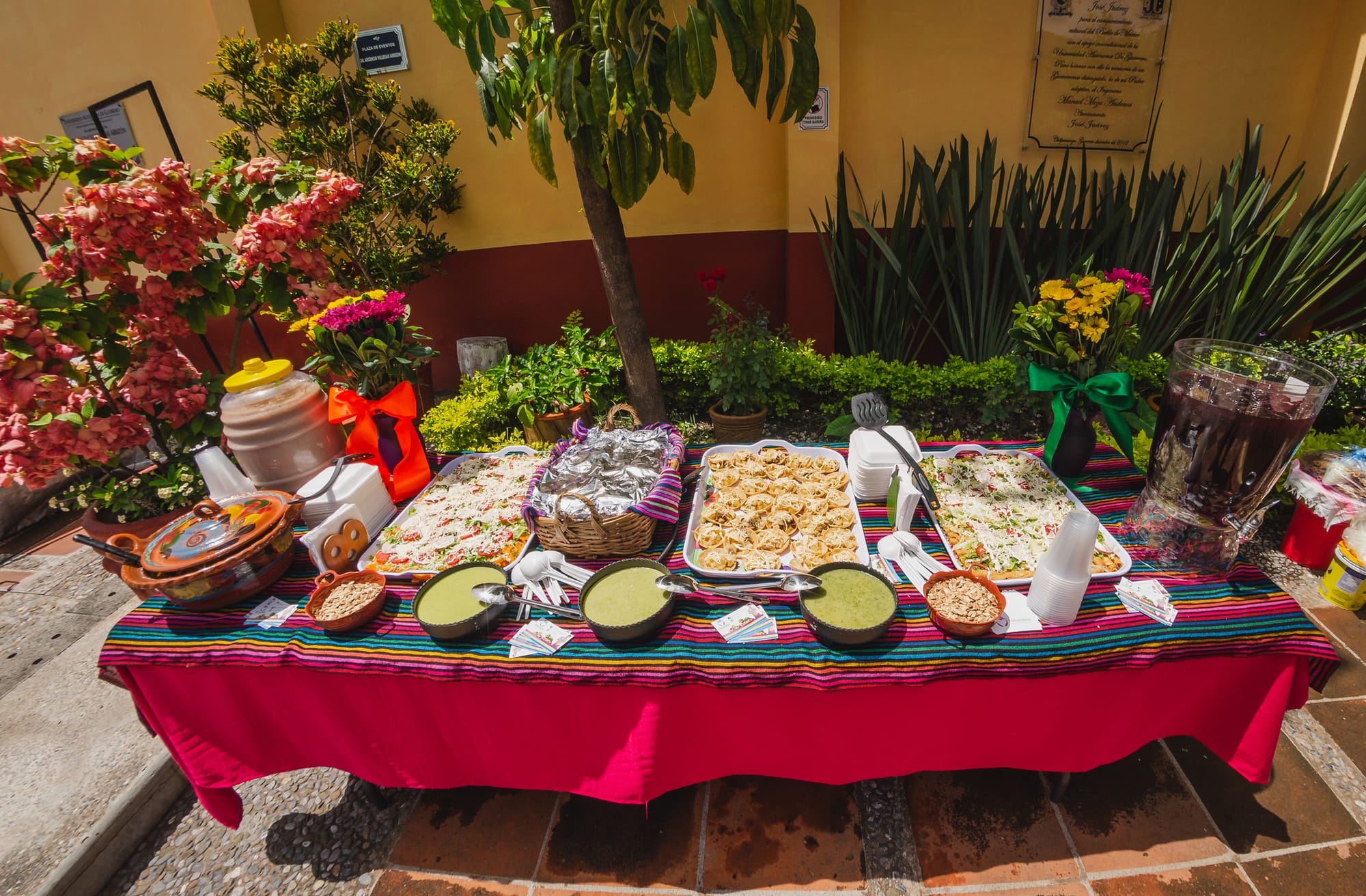
Polis was known for advocating “food freedom” in Congress, but not as much as a governor until the Tamale Act came along.


Published:
In what might be the last bill he will ever sign, Colorado’s outgoing Gov. Jared Polis has signed the “Tamale Act,” sponsored by state Rep. Ryan Gonzales, R-Greeley.
“This law makes Colorado a food freedom state, allowing home entrepreneurs who make delicious homemade foods Coloradans love, like tamales, burritos, and tortas, to be sold responsibly to Coloradans,” said Polis.
Polis was known for advocating “food freedom” in Congress, but not as much as a governor until the Tamale Act came along.
Gonzales introduced the bill into the Democratic-controlled Colorado General Assembly in January without any co-sponsors.
HB26-1033 – Expanding the Colorado Cottage Foods Act was called “the tamale bill” by the media and picked up the House and Senate Democratic Majority Leaders as co-sponsors.
As signed into law, “the tamale bill” amends Colorado’s Cottage Foods Act to expand the types of foods covered to include refrigerated foods such as tamales, burritos, tortas, sandwiches, and salads. It also includes these requirements:
- Sellers must complete a food safety course covering proper food handling, time and temperature control, and safe transportation practices.
Foods must be maintained at appropriate temperatures and cannot be transported more than once or for longer than two hours.
Other provisions include:
- Producers may be subject to inspections and sampling by state or county health officials to ensure compliance with safety standards
- The original Cottage Foods Act included a $10,000 annual revenue cap and prohibited sales to retail or grocery stores, focusing on direct-to-consumer sales. That limit is raised, allowing a producer to earn up to $150,000 in net revenue under the CCFA each calendar year. And annual adjustments for inflation are required.
Producers selling products under the Tamale Act are required to register with the state and obtain a registration number before selling.
Generally, those who object to food freedom laws do so because of food safety concerns, citing home kitchens as not being subject to the same inspections and public health codes as businesses.
“The Tamale Act” was the last of 436 bills signed by Polis from the 2026 session of the Colorado Legislature. It brought his total from two terms as the state’s chief executive to 3,713 bills signed. Polis cannot seek re-election due to term limits.


Dan Flynn
Veteran journalist with 15+ years covering food safety. Dan has reported for newspapers across the West and earned Associated Press recognition for deadline reporting. At FSN, he serves as Senior Editor and covers foodborne illness policy.


Sunday Edition: MCOOL
The U.S. market is dominated by four major packers controlling roughly 85 percent of U.S. beef processing.


Sunday Edition: Botulism
Homemade food canned or preserved by someone who is incompetent or lacks experience, or education, is the most common source of foodborne botulism.


Your Support Protects Public Health
Food Safety News is nonprofit and reader-funded. Your TAX-FREE gift ensures ongoing coverage of outbreaks, recalls, and regulations for everyone.


