






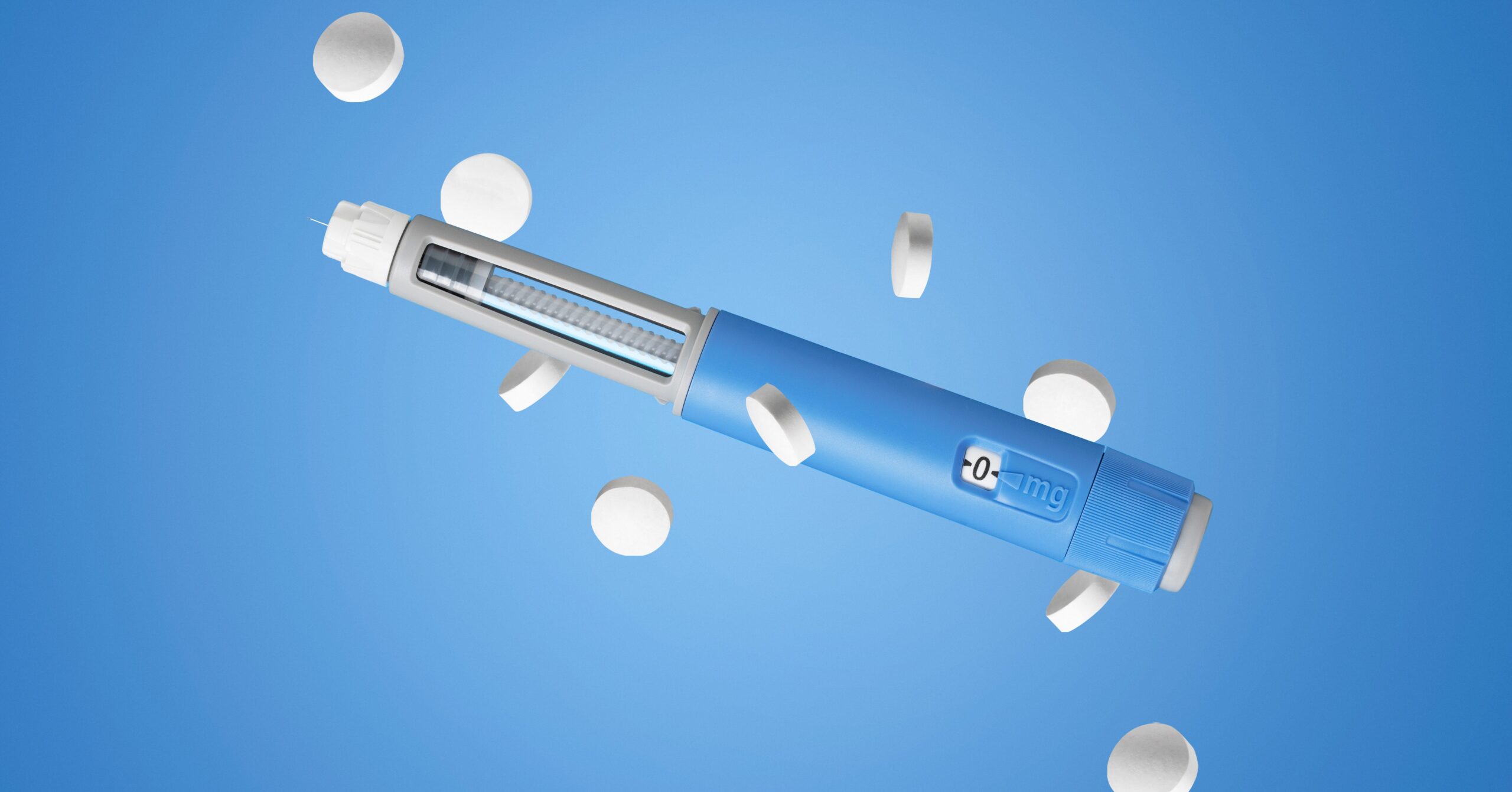
- A study found that people with the PAM gene variant, p.S539W, have a decreased sensitivity to the GLP-1 hormone.
- The genetic variant can interfere with the activation of hormones.
- Doctors say people don’t need to undergo genetic testing right now. However, they are not ruling it out as a potential option in the future before starting a GLP-1 medication.
GLP-1S HAVE BEEN called “wonder drugs” for how they have revolutionized weight loss, and they’re being explored for their potential in helping with other health conditions. For all of the positive impact these medications have had on people taking them, there’s one fact that’s rarely discussed: they don’t work for everyone.
One out of 10 people are not seeing any changes after using GLP-1s like Ozempic and Zepbound, says Anna Louise Gloyn, DPhil, associate chair for Basic Science Research at Stanford University School of Medicine. It’s not because people are forgetting their dosing schedule. While she acknowledges there are multiple biological explanations, her study in the journal Genome Medicine found “defects” in the receptor that GLP-1 drugs work on.
You can do everything right and still not get the results you expect—and it’s all because of this one gene.
Why Some People are Immune to GLP-1 Effects
PEOPLE WITH THE PAM gene variant, p.S539W, are less likely to respond to GLP-1’s effects. In previous research, this genetic variant has been found to interfere with the activation of hormones. (Important to remember: GLP-1 is a natural hormone produced by the gut that regulates blood sugar and appetite. GLP-1 medications like Ozempic and Mounjaro are synthetic peptides that mimic this hormone.)
Dr. Gloyn and her team focused on the changes in the bodies of 19 people with p.S539W and 19 people without the variant after drinking a sugary beverage. People with the p.S539W variant showed an increase in GLP-1 hormone levels, but they had an 18 percent reduction in sensitivity to it. In other words, the hormone couldn’t be properly processed by the body.
Another layer in the research was an analysis of GLP-1 clinical trials involving 1,119 participants. The common pattern scientists found was that people who had standard PAM genetic variants (i.e. not variant p.S539W) had a better response to GLP-1 medications than p.S539W carriers (for instance, only 11.5 percent of people with the p.S539W gene using GLP-1 medication were able to manage their blood sugar levels).
“This aligns with my clinical experience, where I frequently see a variable response to GLP-1 medications,” adds Mir Ali, MD, medical director of MemorialCare Surgical Weight Loss Center at Orange Coast Medical Center.
Should You Take a Genetic Test Before Starting Ozempic?
WE’RE A LONG way from recommending that people undergo genetic testing before trying out a GLP-1, but experts aren’t ruling out the possibility as a potential decision-making factor.
For right now, there is no quick and easy test to check your genes for GLP-1 compatibility. “We are not yet at the point of applying this in the clinic,” says Mahesh Umapathysivam, MBBS, lead study author and endocrinologist at Adelaide University. “However the more variants that we find, like the one we identified in the PAM gene, the closer we get to a genetic test to help doctor and patients make the best medication choice.”
In other words, you’ll have to find out the old-fashioned way: starting on a GLP-1 and seeing if there’s a change after a few weeks. If not, your doc can help you pursue other medications. (MH recently spoke with an endocrinologist on the top five alternatives to Ozempic for weight loss).
If your primary goal is blood sugar management, there are plenty of other non-GLP-1 options. Jamie Alan, PhD, an associate professor of pharmacology and toxicology at Michigan State University, says people with Type 2 diabetes can benefit from metformin, DPP-4 inhibitors, and SGLT-2 inhibitors (The study did find that people with variant p.S539W responded like everyone else to these medications.) Dr. Gloyn adds that dual agonist medications like Mounjaro are an option since they work on more than GLP-1 receptors.
Of course, it’s important to make lifestyle tweaks while managing your blood sugar, too. “Any intervention we provide is a tool to help transition to a healthier lifestyle,” says Dr. Ali. “If significant dietary changes are not made, a patient is much less likely to see successful results.”

Korin Miller is a freelance writer specializing in general wellness, sexual health and relationships, and lifestyle trends, with work appearing in Men’s Health, Women’s Health, Self, Glamour, and more. She has a master’s degree from American University, lives by the beach, and hopes to own a teacup pig and taco truck one day.


