


By Charles Kennedy – Sep 06, 2026, 5:00 PM CDT
- Clean energy accounted for just 26% of demand for six key minerals in 2024, with construction, industry, transport, defense and electronics consuming the remaining 74%.
- Future mineral demand could be sharply reduced through smaller EV batteries, lower vehicle ownership and increased recycling, potentially limiting the need for new mines.
- The critical-minerals boom extends far beyond the energy transition, with defense, AI, manufacturing and competition with China increasingly driving U.S. efforts to secure new supplies.

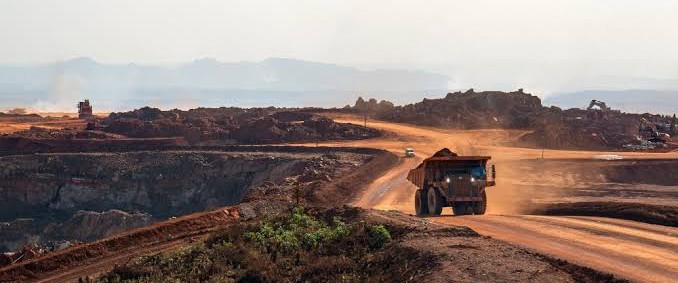
An Oakland Institute analysis challenges claims that a large increase in mining is an unavoidable cost of replacing fossil fuels. Using International Energy Agency (IEA) data, Oakland calculated that wind, solar, renewable-power networks, grid batteries and electric vehicles accounted for 26% of combined demand for copper, lithium, nickel, cobalt, graphite and magnet rare earths in 2024. It assigned the remaining 74% to construction, conventional transport, industrial machinery, defense, electronics and other uses. The calculation describes consumption in 2024 and cannot establish which industries will drive future demand.
Oakland found that uses outside renewable power and electric vehicles accounted for 83% of nickel demand, 79% of magnet rare-earth demand, 71% of copper demand, and 68% of both cobalt and graphite demand in 2024. Construction consumed 30% of global copper, while stainless-steel production consumed roughly two-thirds of global nickel. 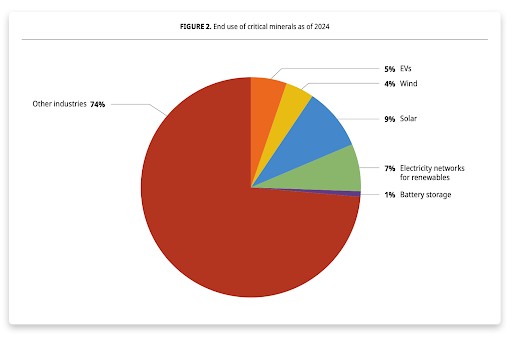

Source: Oakland Institute
The IEA’s Net Zero by 2050 roadmap projects that the number of battery-electric, plug-in hybrid and fuel-cell cars and vans worldwide will rise from 11 million in 2020 to almost 2 billion in 2050. Using the IEA’s mineral-demand data, Oakland calculates that EVs would consume 15.7 million metric tons of copper, lithium, nickel, cobalt, graphite and magnet rare earths in 2050 (23% of the projected 68.2-million-ton combined total).
A team including researchers from the University of California, Davis, modeled four pathways to zero-emissions personal transportation in the United States and separately varied battery size, warranty periods and recycling rates. The study found that combining lower vehicle ownership, smaller batteries and best-case recycling could reduce annual lithium demand in 2050 by as much as 92% compared with the most lithium-intensive combination.
The UC Davis model found that smaller EV batteries could reduce annual lithium demand for U.S. light-duty vehicles by as much as 42% in 2050 even if car dependence continued. The IEA estimates that rightsizing EV batteries, adopting alternative chemistries and expanding recycling could together reduce global lithium demand by 25% in 2030 under its net-zero scenario, saving an amount roughly equal to current global lithium production.
Under the IEA’s net-zero scenario, recycled supplies could reduce primary copper and cobalt requirements by 30% in 2040 and primary lithium and nickel requirements by 15%. Without increased recycling and reuse, the mining investment required to meet projected demand would be one-third higher.
Oakland’s 74% figure describes mineral consumption in 2024; the IEA expects clean-energy technologies to account for much of the subsequent growth. Under the IEA’s Net Zero Emissions Scenario, their mineral demand nearly triples between 2023 and 2030. Under the less demanding Announced Pledges Scenario, anticipated mine supply from existing projects, projects under construction and projects judged highly likely to proceed would meet 70% of copper demand and 50% of lithium demand in 2035.
At the February 2026 Critical Minerals Ministerial, U.S. officials identified missile-defense systems, artificial intelligence, advanced manufacturing and economic security as reasons to increase mineral production. Vice President JD Vance proposed a preferential trading bloc using price floors and adjustable tariffs. Other administration officials promoted federal loans, equity investments and mineral stockpiles. Neither renewable energy nor decarbonization appeared in the opening remarks.
The administration’s reduced emphasis on clean-energy deployment has not diminished its mineral agenda. “That priority for the Trump administration doesn’t change at all,” Tom Moerenhout, adjunct associate professor at Columbia University’s School of International and Public Affairs, told the Associated Press. Defense procurement, artificial intelligence, manufacturing and competition with China give Washington separate reasons to finance additional production.
In January, the U.S. International Development Finance Corporation closed a $600-million investment in a $1.8-billion consortium established to finance critical-mineral projects. DFC also reported that Congo’s state-owned mining company had sold and begun shipping approximately 100,000 tons of copper committed to the United States, with another 50,000 tons planned for Saudi Arabia and the UAE.
But extraction isn’t without its geographical and political challenges. Much of the extraction encouraged by these policies would occur near communities with recognized rights over the land. A Nature Sustainability study mapped 5,097 current and prospective projects containing energy-transition minerals. It found that 54% were on or within 10 kilometers of Indigenous peoples’ land and 33% were on or within 10 kilometers of peasant land.

Source: Nature Sustainability

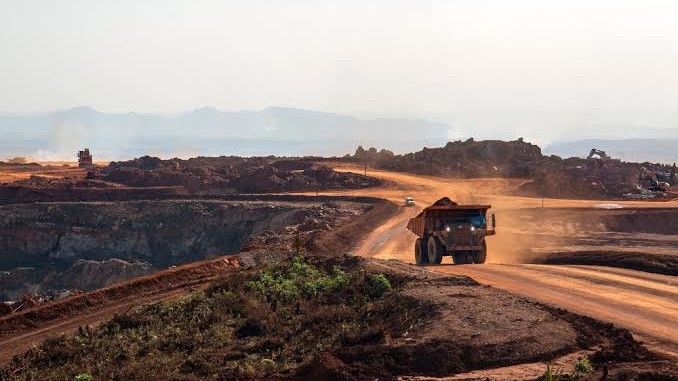
The advertised need for hundreds of new mines isn’t simply the material cost of replacing fossil fuels. It includes minerals for weapons, data centers, construction and conventional industry, as well as the cost of expanding the global fleet of battery-electric, plug-in hybrid and fuel-cell cars and vans from 11 million in 2020 to almost 2 billion in 2050
Smaller batteries, fewer cars and higher recycling rates would reduce the amount of new ore required. UNCTAD says 250 new copper, lithium, nickel and cobalt mines are needed to meet emissions targets, yet Oakland’s analysis finds that most current demand for those metals comes from industries outside renewable power and electric vehicles.
By Charles Kennedy for Oilprice.com
More Top Reads From Oilprice.com
- India Plans Mandatory Battery Storage at Solar and Wind Projects
- China Rare Earth Firms Freeze U.S. Exports Weeks Before Xi-Trump Summit
- Rosneft CEO: China Calls The Shots in Oil Markets, Not OPEC
Download The Free Oilprice App Today