








Every guitarist knows the household names: Fender, Marshall, Vox. Those brands built iconic guitar amplifiers that shaped entire eras of music.
But scattered across the past 70 years are countless other amplifiers that never quite achieved the same fame despite producing incredible tone. Sometimes they were overshadowed by bigger brands. Sometimes they were marketed poorly or simply arrived at the wrong moment.
Article continues below
1. Laney AOR Series
If the JCM800 defined ’80s rock, the Laney AOR (Advanced Overdrive Response) quietly delivered the gain many players were modifying their Marshalls to achieve.
With an added gain stage and muscular EL34 punch, it produced the saturated British tones that shaped hard rock and metal yet never received the same spotlight.
Available as heads and combos, models like the AOR 50 and AOR 100 moved easily from clean tones to aggressive distortion. Players such as Vinnie Moore and Ace Frehley showed Laney could compete with the biggest British brands.
Still, AOR amps never reached the collector status of their Marshall counterparts and remain an affordable path to vintage high gain.
2. Selmer Zodiac Twin 50
1960’s Selmer Zodiac Twin Fifty (Mint Condition) – YouTube
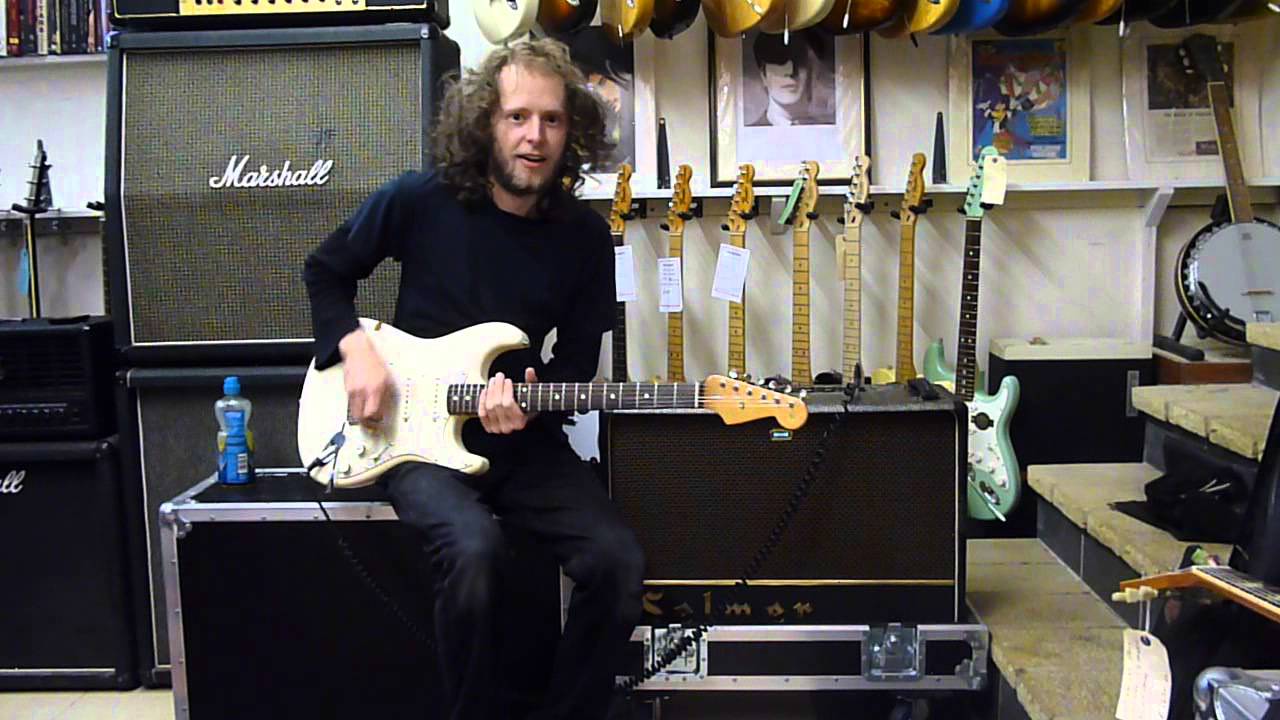
During the 1960s, Selmer was one of Britain’s most important musical instrument companies, producing guitars and amplifiers and competing with brands like Fender and Gibson in the UK.
The Zodiac Twin 50 stands out as one of its most intriguing designs. This 50-watt valve combo, powered by EL34 tubes and equipped with tremolo and distinctive push button tone controls, delivers warm cleans and a throaty British crunch.
Sitting somewhere between Fender and Marshall, it never reached the same level of fame. Its tone color switches offer a wide tonal range, while the tremolo adds vintage character, making it a unique alternative for classic British tones.
3. Gibson Lab Series L5
Trogly’s Guitars: Demo of 1970s Gibson Lab series L5 Amp w/ Firebrand Les Paul – YouTube
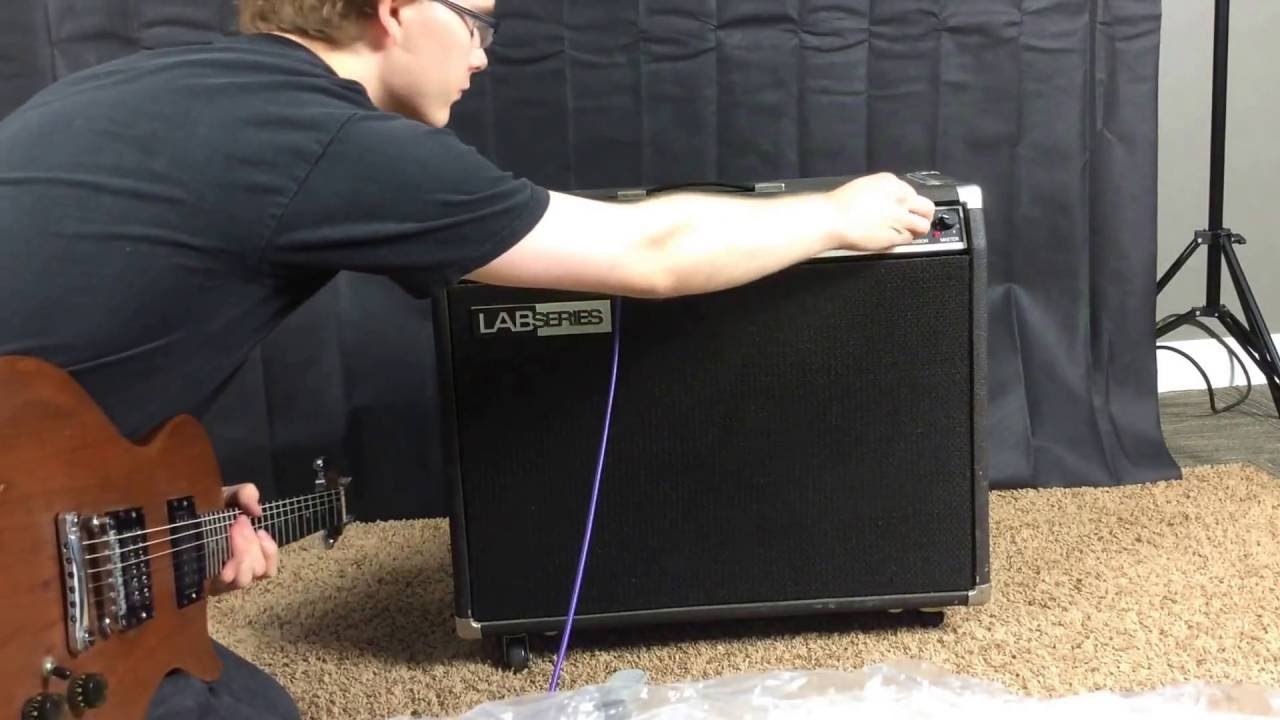
Released in the late ’70s, the Gibson Lab Series L5 is one of the most respected solid-state sleeper amps ever made. Designed with input from Moog engineer Bob Moog, the L5 delivered around 100 watts of clean, reliable power through a single 12 inch speaker.
Unlike many solid-state amps of the era, it offered warmth, clarity and impressive dynamic response, along with onboard compression, parametric EQ and a multi position mid control. Its smooth sustain and articulate voice made it a favorite of Ty Tabor and B.B. King, who used it extensively.
Overlooked for years, the L5 remains a powerful, studio worthy amp that still holds up today.
4. Gibson GA-40 Les Paul Amp
When Gibson introduced the Les Paul guitar in 1952, they also launched the GA-40 combo amplifier as its companion. While Fender tweed amps of the same era became the stuff of legend, Gibson’s GA-series quietly developed its own sonic identity.
One key ingredient was the unusual 5879 pentode preamp tube, which gives the GA-40 a thick, harmonically rich tone that feels different from the brighter character of typical 12AX7 circuits.
The GA-40 produces bold cleans and warm breakup with remarkable dynamic response. For players chasing vintage American tone but want something more unique than the usual tweed circuits, this amp is a genuine hidden gem.
5. Ampeg Gemini I
Although Ampeg became famous for bass amplification, its 1960s guitar amps were quietly spectacular. The Gemini I is a mid-powered 22-watt tube combo amp typically features around 22 watts of tube output, lush spring reverb and deep tremolo.
Powered by a distinctive pair of 7591A power tubes, the Gemini I lives somewhere in the Deluxe Reverb territory, but with a slightly darker American voice. Despite delivering beautiful cleans and smooth breakup, the Gemini I never achieved the same recognition as Fender’s black-panel lineup.
Players who discover them often become lifelong fans. They’re particularly loved by blues, surf and indie guitarists who appreciate the amp’s rich reverb and unique tonal color.
6. Sunn Solarus
Sunn Solarus Playthrough/Tweaking – YouTube
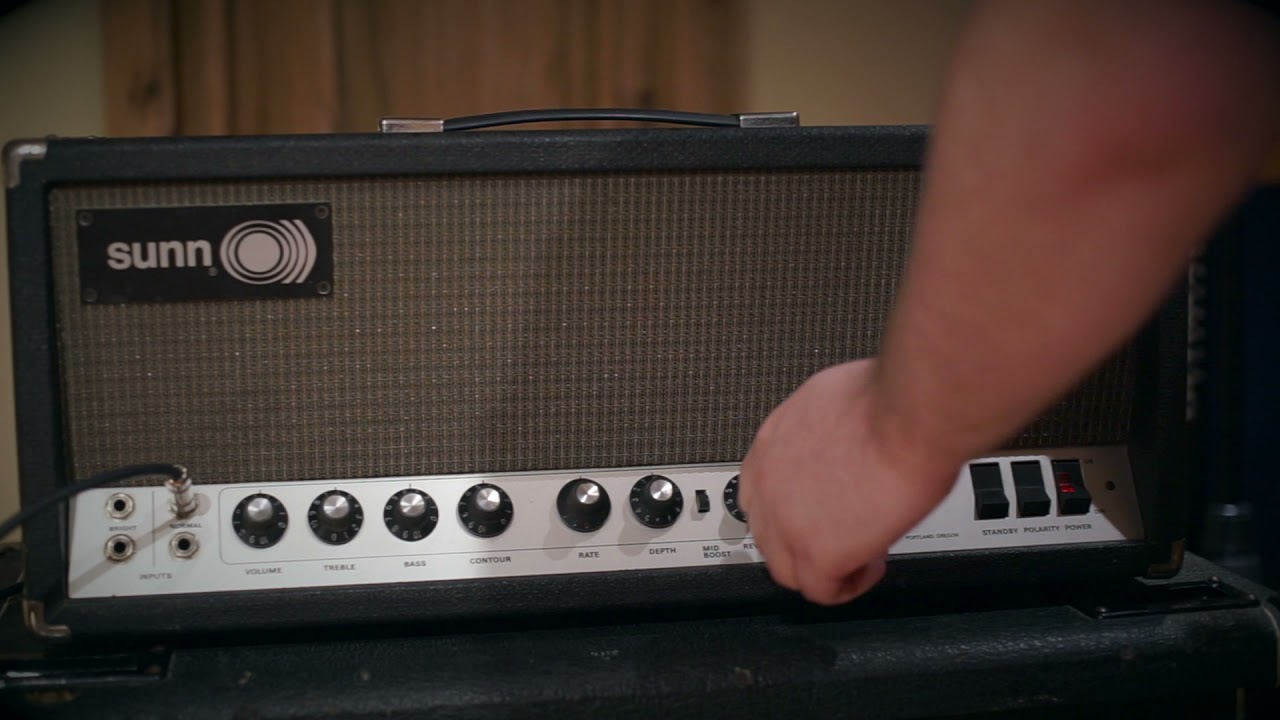
Sunn amps are often associated with massive stage rigs used by bands like The Who and later embraced by doom and stoner rock players, but the Solarus from the 1960s, stands as one of Sunn’s most overlooked designs.
Available as a piggyback head or 2×12 combo, it delivers 60 watts of tube power with massive clean headroom, solid low-end and a bold, articulate top.
Built on Sunn’s hi-fi engineering roots, the Solarus offers exceptional clarity that pairs beautifully with pedals. With onboard reverb and tremolo, it sits somewhere between a Fender Twin and a Hiwatt with plenty of vibe. Overshadowed by larger Sunn stacks, it remains an under-appreciated vintage workhorse.
7. Peavey Classic 50
Peavey Classic 50W 2×12 Tube Amp Demo – YouTube
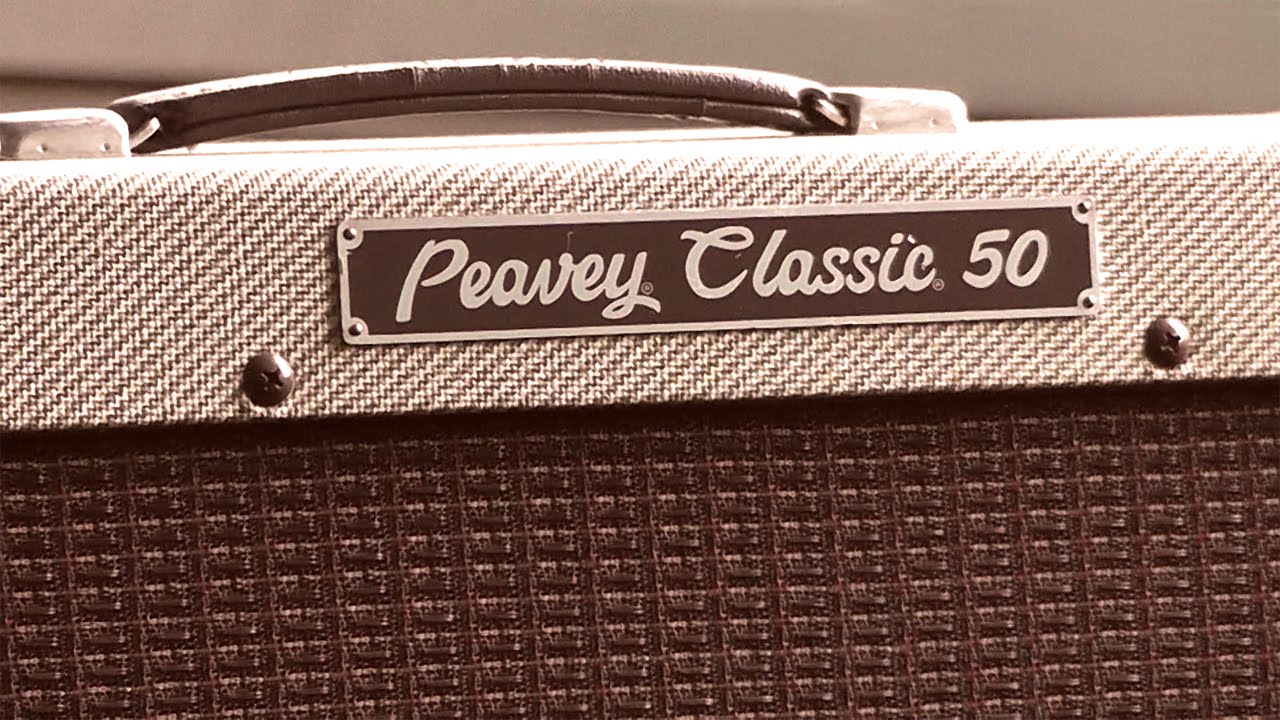
Peavey has long been known for building rugged, affordable amplifiers, but the Classic series is one of the company’s finest achievements.
Introduced in the 1990s, the Classic 50, available as both a head and combo, combines EL84 power tubes with a two-channel design capable of everything from warm cleans to bluesy overdrive. It quietly became the working guitarist’s secret weapon.
Reliable, loud and musically responsive, it delivers pro level tone at a fraction of the cost of many boutique alternatives.
8. Yamaha G100
Yamaha G100-112 | Playthrough Demo – YouTube
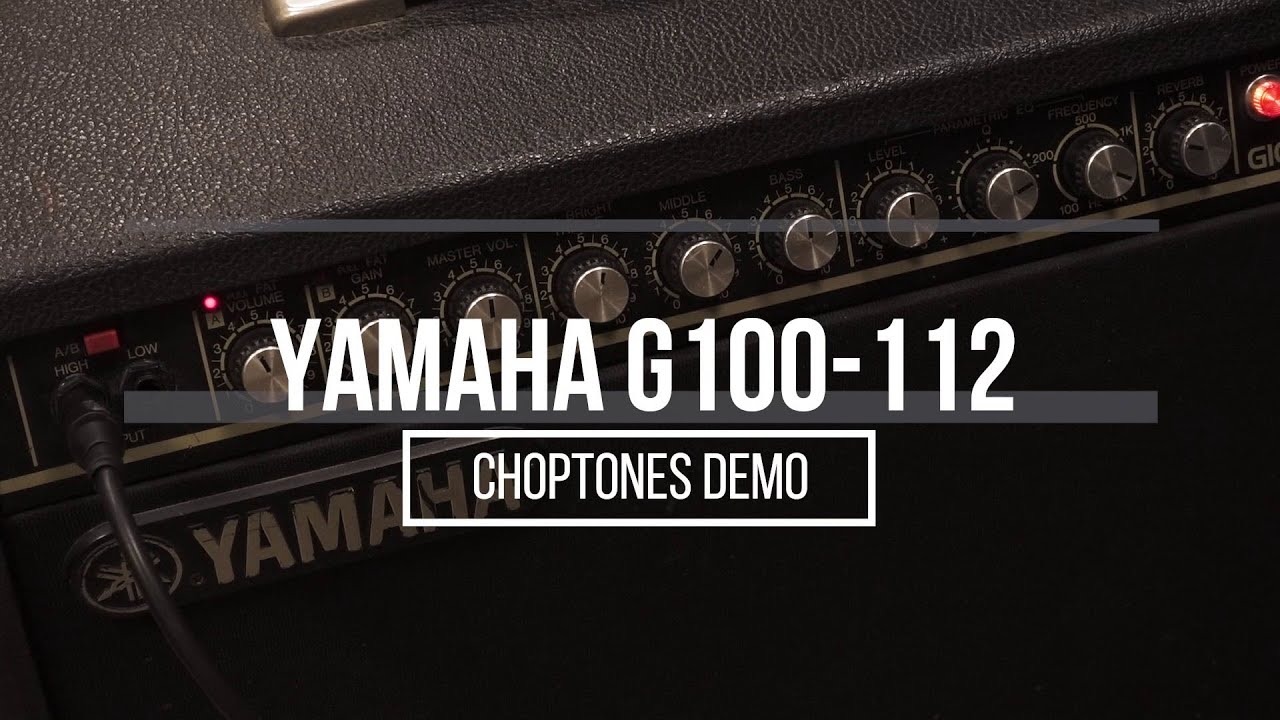
Solid-state amps rarely get vintage love, but the Yamaha G100 deserves a second look. Designed in the late 1970s, the G-series focused on clean headroom, clarity and reliability.
The 100-watt G100 combo became popular with jazz and session guitarists like Mike Stern, who needed a consistent platform for pedals and effects.
Unlike many early solid-state amps that sounded sterile, the G100 produced rich, articulate clean tones and excellent dynamic response. For players who value clarity and reliability over tube mojo, it remains an underappreciated classic.
9. Music Man HD-130
Music Man amps from the ’70s and early ’80s were some of the most powerful and innovative designs of their era. The HD-130 combined a quad of EL34 power tubes with a solid-state preamp, delivering massive clean headroom and a raunchy overdrive tone when cranked.
Capable of driving large cabinets with authority, the HD-130 became popular with touring players who needed volume and reliability. Yet it never achieved the same cult status as Fender or Marshall designs.
Today many players have rediscovered the HD-130 for its huge pedal platform cleans and authentic classic rock overdriven tones.
10. Gibson Super Goldtone Series
GIBSON GOLDTONE GA-30RVS SUPER CLEAN CUSTOM COMBO 2X12 GUITAR AMP UP CLOSE VIDEO – YouTube
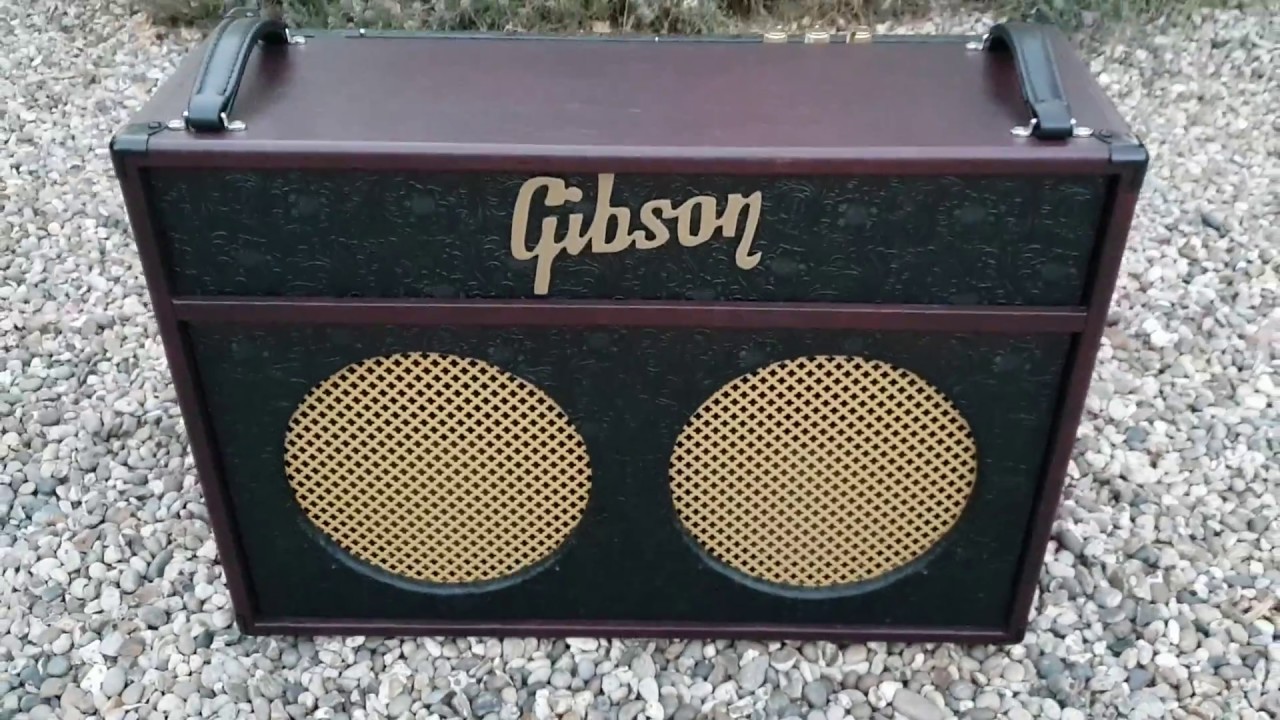
In the late ’90s, Gibson made a surprising return to the amp world with the Super Goldtone series, a line of UK-built tube amps developed during its ownership of British manufacturer Trace Elliot. The lineup included the GA-30RV and GA-60RV combos, along with the GA-30RVH head and matching cabinets.
Designed to deliver boutique-style tone, the GA-30RV stood out as a 30-watt combo powered by four EL84 tubes. Its two-speaker setup paired a 12 inch Celestion Vintage 30 with a 10 inch Celestion, delivering punchy lows, strong articulation and a shimmering top end.
Dual channels, master volume, effects loop and spring reverb made it highly versatile, but at the time, Gibson was not a go-to brand for guitar amps, which limited the Goldtone’s success.
- For more stories, tips and insights on all things amplified, check out the rest of our Amp Week coverage.
” data-join-the-conversation-text=”Join the Conversation”>
You must confirm your public display name before commenting
Please logout and then login again, you will then be prompted to enter your display name.


