The fragile peace between Israel and Iran lasted roughly two months. On June 7, 2026, both nations resumed direct military strikes, shattering a US-mediated ceasefire that had been in place since April and sending immediate shockwaves through global financial markets, crypto included.
Bitcoin dropped toward $63,000 as the first reports of escalation hit news feeds. It recovered above $63,700 once word spread that both sides had paused offensive operations.
What happened on the ground
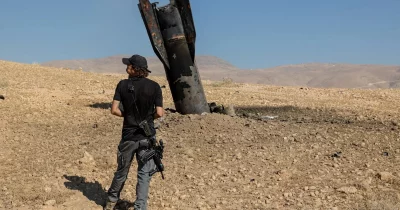
Iran initiated the latest round by launching missiles toward Israel on June 7. Israel responded with airstrikes targeting multiple Iranian cities, including Tehran, Tabriz, and Isfahan. Petrochemical facilities were among the infrastructure hit.
By June 8, President Donald Trump announced that both sides had agreed to an immediate ceasefire while negotiations continued.
The clashes marked the first direct exchanges of fire between Israel and Iran since the April ceasefire. That agreement itself was a product of the 12-Day War, a conflict that ended on June 24, 2025, following major airstrikes by Israel and the US on Iranian facilities.
How crypto markets reacted
Bitcoin’s slide toward $63,000 was swift but not catastrophic. The recovery above $63,700 came almost as quickly once news of the attack pause circulated. The entire swing played out within roughly 24 hours.
Ethereum and XRP exhibited similar patterns, dipping on the escalation headlines and bouncing on the ceasefire news.
What this means for investors
The core problem for crypto investors is that the Israel-Iran conflict has no clear resolution path. The 12-Day War ended with a ceasefire. That ceasefire broke. The April 2026 ceasefire held for two months. The June 8 ceasefire is now the third attempt at a pause in just over a year.
For traders operating on shorter timeframes, the playbook has become somewhat predictable: watch for escalation headlines, expect a 2-5% dip in major crypto assets, and position for a bounce if ceasefire or de-escalation news follows.
Strikes on cities like Tehran and Isfahan are not minor provocations. Petrochemical infrastructure ties directly into energy markets, which in turn influence inflation expectations, which in turn influence monetary policy, which in turn influences risk assets like crypto.
Disclosure: This article was edited by Editorial Team. For more information on how we create and review content, see our Editorial Policy.