



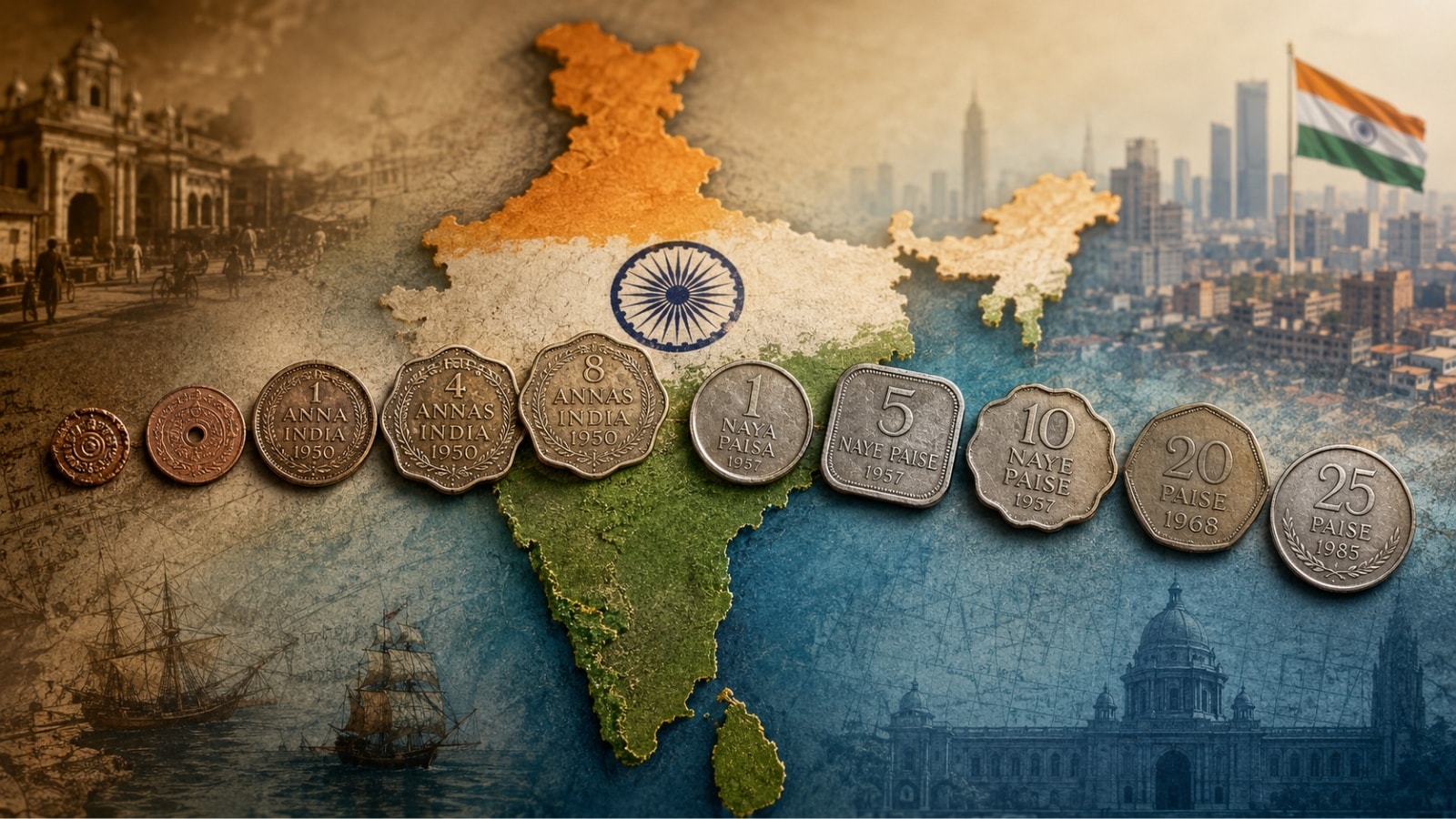
Indian coins you’ll never see in your wallet again: How India’s change changed
Long before ₹1 became 100 paise, India’s rupee was divided into 16 annas, 64 pice and 192 pies. From the tiny pie to the distinctive square 5-paise co…


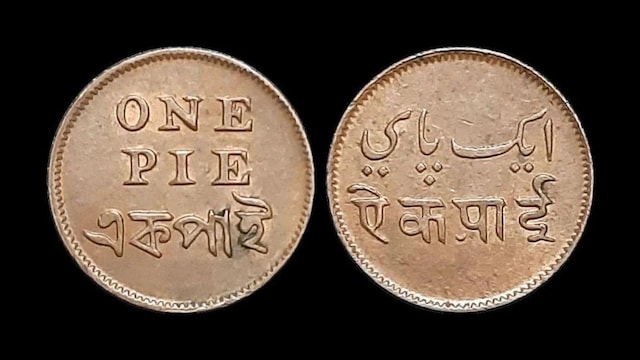


Pie (Pre-1957) | 1/192 of a rupee | The pie was the smallest unit in India’s pre-decimal monetary system. One rupee was equal to 16 annas, 64 pice and 192 pies, making the pie just a tiny fraction of a rupee. The denomination ceased to be used after India shifted to decimal coinage in 1957. (Image: RBI)
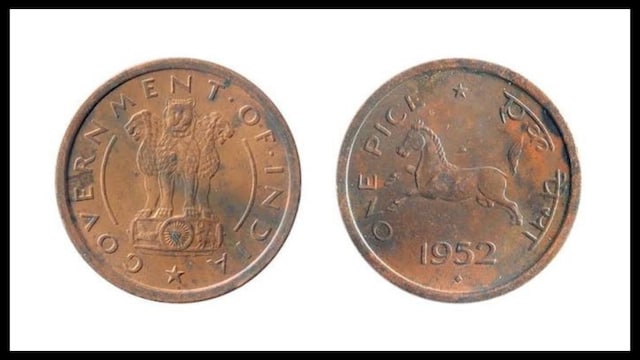
Pice (1950s) | 1/64 of a rupee | The pice was another part of India’s pre-decimal system. One anna equalled four pice, while one pice equalled three pies. India’s first Republic coin series in 1950 still included the one-pice denomination, before decimalisation replaced the old system. (Image: RBI)
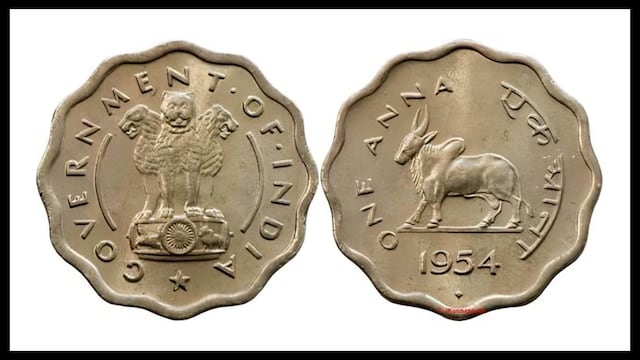
One Anna (1950s) | 1/16 of a rupee | The anna was one of the most familiar denominations in India’s old currency system. One rupee was divided into 16 annas, and the denomination continued even after Independence. The first Republic coin series, introduced in 1950, included the one-anna coin before decimal currency replaced the system. (Image: RBI)
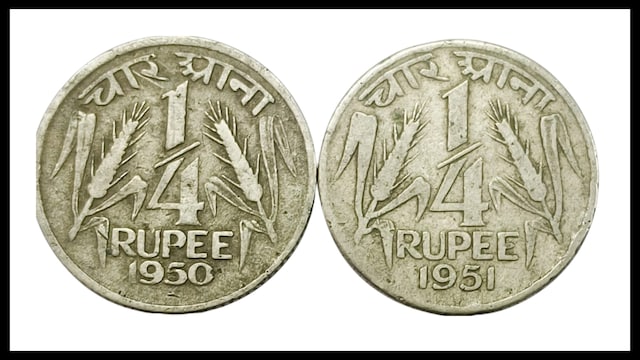
Four Annas (1950s) | 1/4 of a rupee | Four annas made up one-quarter of a rupee, making it equal in value to 25 paise. It was part of the monetary system India retained after Independence, but disappeared after the country switched from annas to paise in 1957. (Image: RBI)
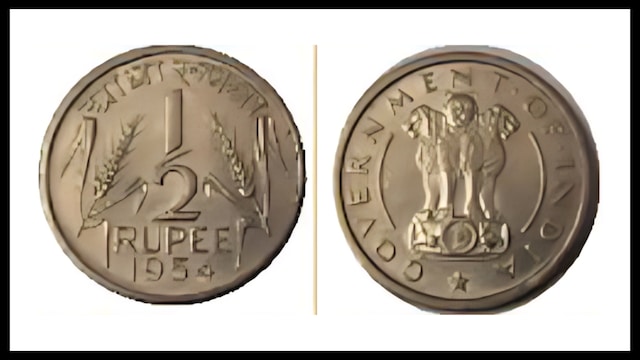
Eight Annas (1950s) | 1/2 of a rupee | The eight-anna coin was worth half a rupee and represented one of the larger denominations in the old anna system. When India decimalised its currency in 1957, the eight anna was effectively replaced by the 50-paise denomination. (Image: RBI)
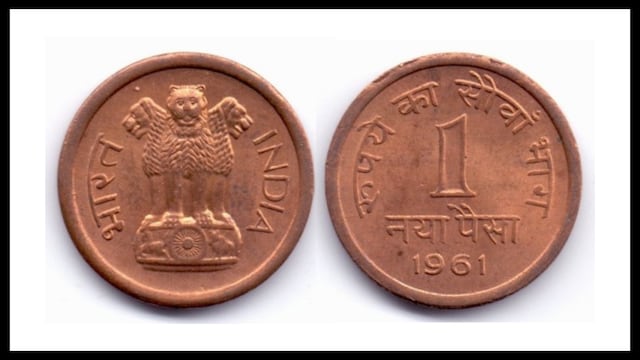
1 Naya Paisa (1957–1964) | 1/100 of a rupee | The Naya Paisa marked India’s transition to decimal currency. From April 1, 1957, one rupee was divided into 100 naye paise instead of 16 annas. The word “Naya”, meaning “new”, distinguished the coins from the old paisa and was dropped from the name in 1964. (Image: Wikimedia Commons)
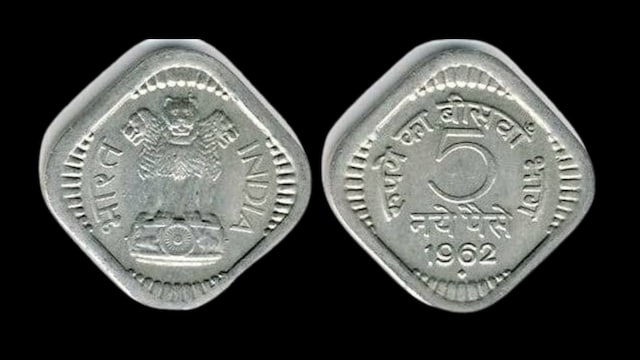
Five Naye Paise (1957) | 1/20 of a rupee | The 5 naye paise coin stood out for its unusual square shape. Introduced as part of India’s first decimal coin series in 1957, it was made of cupro-nickel and became one of the most distinctive coins of the country’s early decimal era. (Image: RBI)
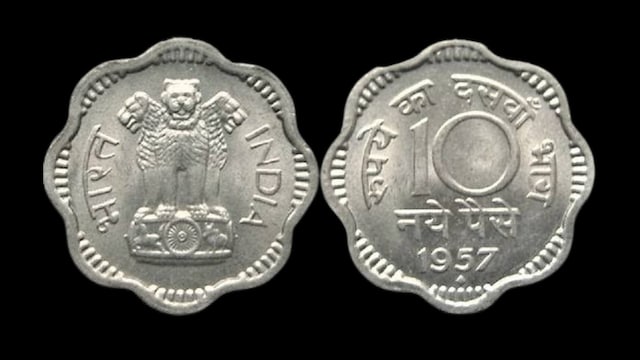
Ten Naye Paise (1957) | 1/10 of a rupee | The early 10 naye paise coin was instantly recognisable for its eight scalloped edges. Introduced in 1957, it later appeared in different designs and metals before the denomination eventually disappeared from circulation. (Image: RBI)
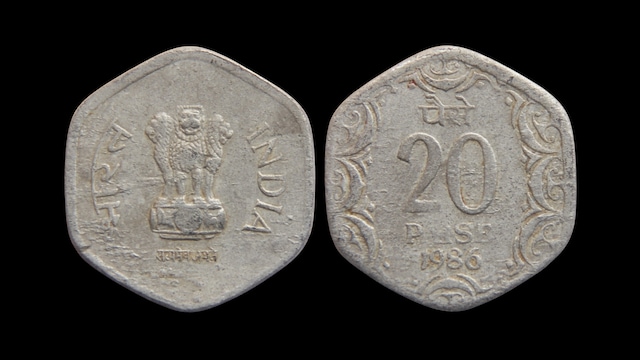
Twenty Paise (1968) | 1/5 of a rupee | India introduced the 20-paise coin in 1968, but the denomination never became particularly popular. RBI’s historical records note that it did not gain much acceptance among the public. It eventually disappeared as inflation reduced the usefulness of smaller denominations. (Image: Wikimedia Commons)
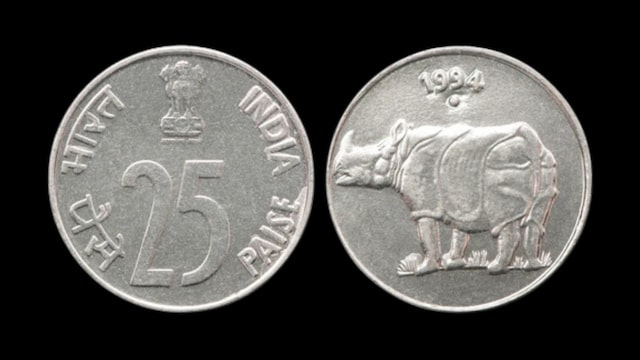
Twenty Five Paise (1957–2011) | 1/4 of a rupee | The 25-paise coin, popularly known as a chaavanni, was once a familiar part of everyday transactions. As its purchasing power declined, the government withdrew coins of 25 paise and below from circulation. They ceased to be legal tender on June 30, 2011. (Image: RBI)
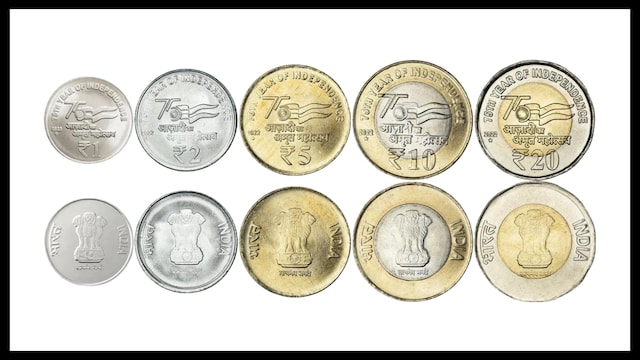
Not the Whole Story | India’s coinage history goes beyond the denominations mentioned above. The ½ anna, 2 paise, 3 paise and 1 paise also featured in earlier coin series. The 50-paise coin, which has the same value as eight annas, remains legal tender today. Indian coins have also evolved in size, shape, metal and design, with commemorative issues released to mark important events, anniversaries and institutions. Today, coins of 50 paise, ₹1, ₹2, ₹5, ₹10 and ₹20 are legal tender, according to the Reserve Bank of India. (Image: RBI)


