

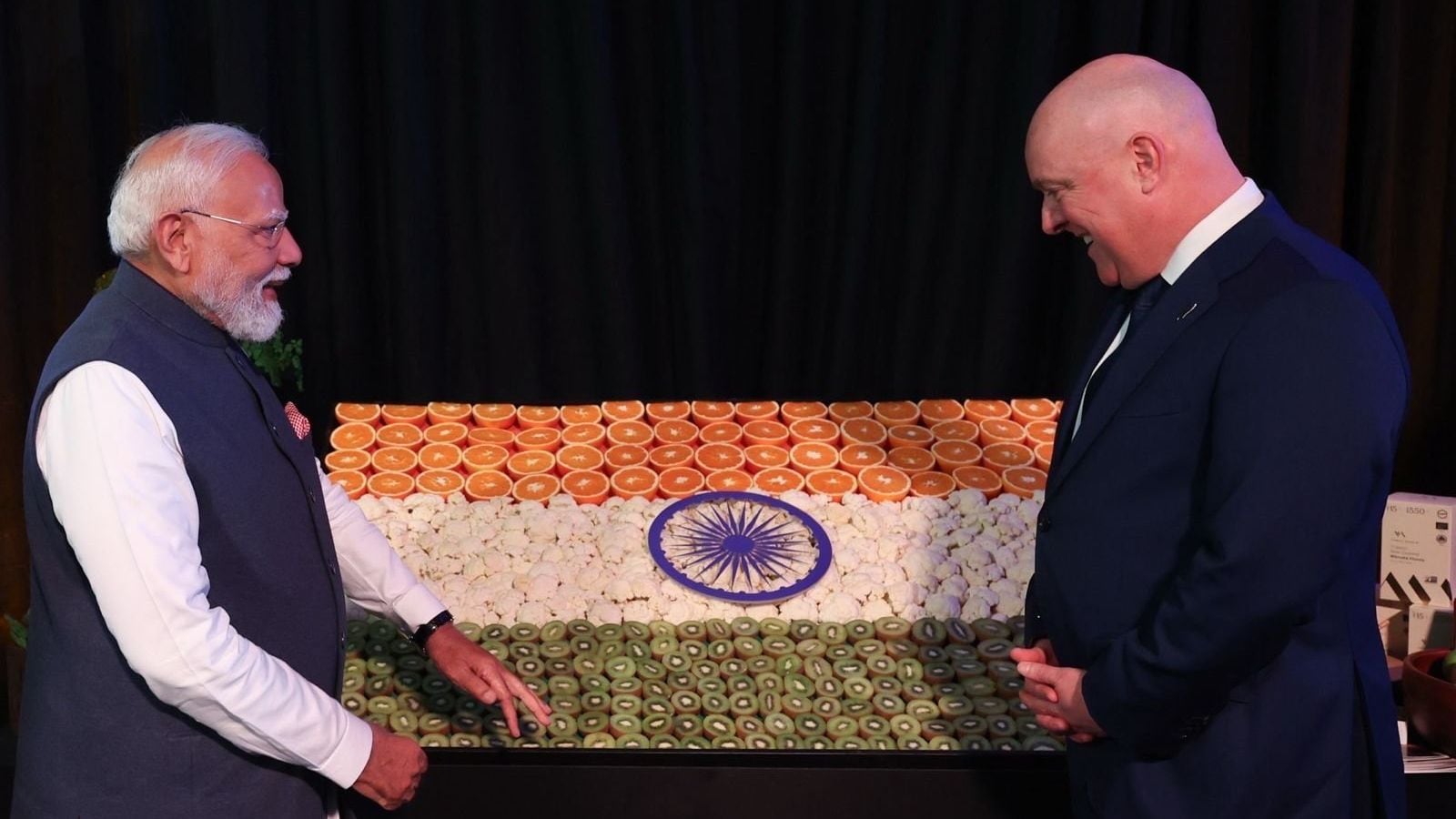
Prime Minister Narendra Modi’s visit to New Zealand — the first by an Indian PM in 40 years — has set the stage for a dramatic upgrade in bilateral re…

 1/7
1/7
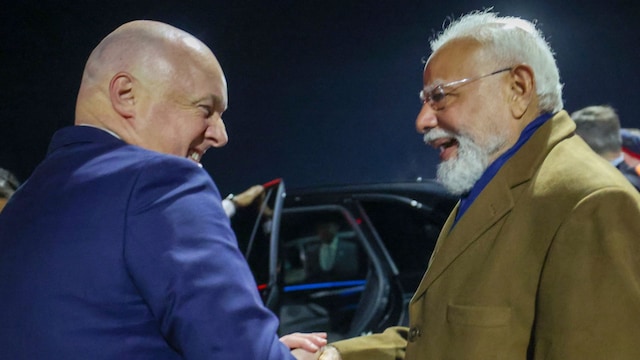
1. First Indian PM visit to New Zealand in 40 years: PM Modi’s July 10-11 visit to New Zealand, undertaken at the invitation of PM Christopher Luxon, marks the first trip by an Indian Prime Minister to the country in four decades. (Image: PMO)
2/7
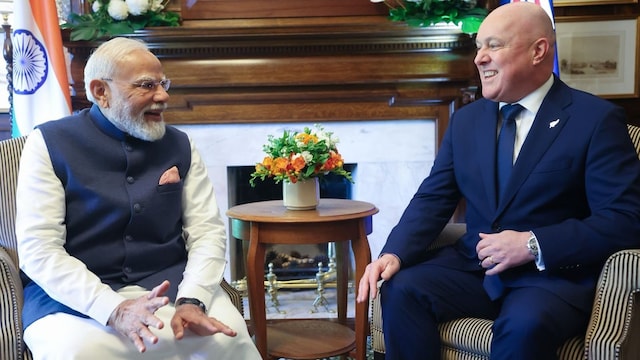
2. A trade deal closed in just nine months: India and New Zealand concluded their Free Trade Agreement in a record nine months, an agreement PM Modi said would open new opportunities in market access, investment, services and technology. (Image: X/Narendra Modi)
3/7
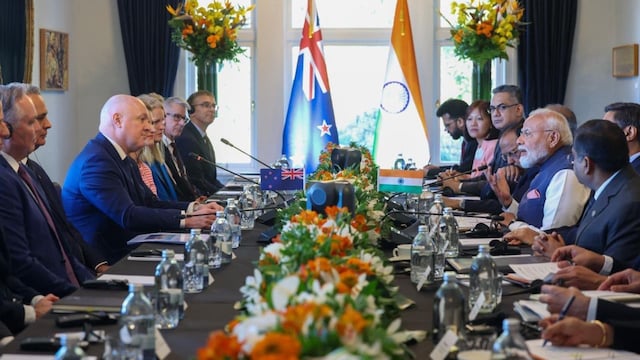
3. A goal to double bileteral trade by 2030: Addressing the Business and Sports Engagement event in Auckland, PM Modi said he was confident the two nations would double their bilateral trade by 2030, backed by the newly concluded FTA. (Image: X/Narendra Modi)
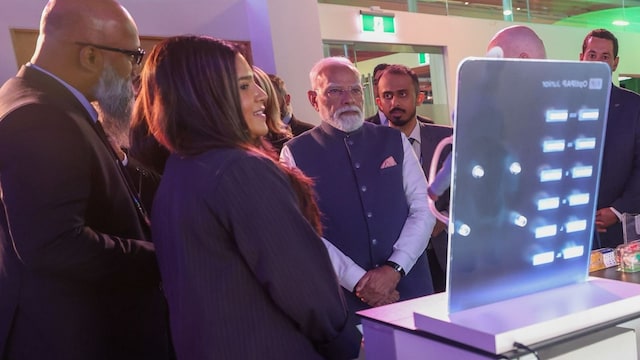
4/7
4. A four-year blueprint across six sectors: Both nations adopted the India-New Zealand Strategic Partnership: Roadmap to 2030, outlining deeper cooperation in trade, agriculture, security, innovation and people-to-people exchanges through 2030. (Image: X/Narendra Modi)
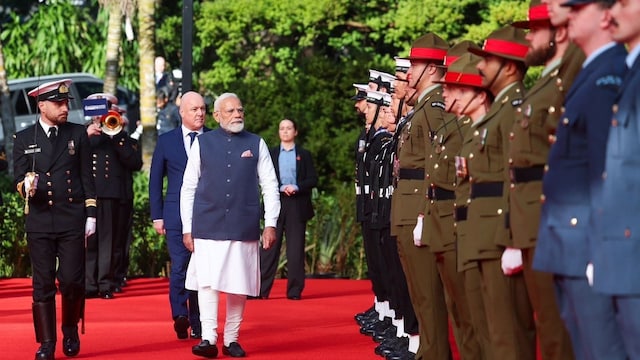
5/7
5. The numbers behind the roadmap: Under the roadmap’s trade and economic pillar, both countries set an aspirational target of doubling bilateral trade in goods and services to NZD 7 billion — roughly ₹35,000 crore — by 2030. (Image: X/Narendra Modi)
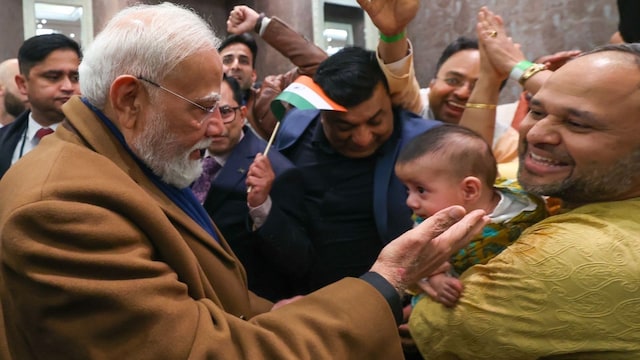
6/7
6. A warm welcome from the Indian diaspora: PM Modi met with members of the Indian community in New Zealand, a gathering that reflected the deep people-to-people ties the new Roadmap to 2030 seeks to strengthen further. (Image: PMO)
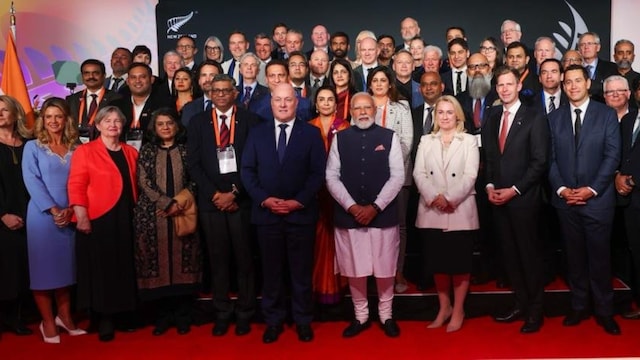
7/7
7. “I carry the aspiratins of 1.4 billion Indian”: PM Modi told New Zealand’s business community that he had come carrying the aspirations of 1.4 billion Indians, while praising the country’s innovation and entrepreneurial spirit. (Image: X/Narendra Modi)
HomePhotos NewsIndia NewsIndia-New Zealand ties enter new era: FTA, $20 billion investment and a roadmap to 2030
