

When my daughter-in-law had her twins last year, I was thrilled to become a grandmother. I’d just entered retirement and pictured sweet visits with my grandchildren, not stepping into a full-time babysitter role. Somehow, I turned into the family’s free nanny, expected to show up constantly.
The boundaries were never discussed. My MIL status seemed to automatically mean unpaid labor; late nights, endless diaper changes, and zero say. It quickly became a family conflict, especially once things started spilling onto social media, making me feel taken advantage of rather than appreciated.
It went from lending a hand to taking on a constant role.




Hi Bright Side!
In the beginning, I didn’t mind stepping in. My son and daughter-in-law were clearly struggling with their newborn twins, so I offered support. I regularly came by to babysit, handle chores like laundry, and keep things running. It wore me out, but I did it willingly and with love.

Before I knew it, those quick visits had turned into full-on childcare shifts. No one ever checked if I was available—they just assumed. I’d barely step inside before my daughter-in-law would hand me one baby and say, “The other one needs changing,” expecting me to jump in without question.
“Wait, what exactly am I walking into here?” I remember thinking. I’m not a nanny. I’ve already raised my kids, and I never agreed to start over in my 60s. Whenever I try to push back, she shrugs it off with, “You’re their grandmother—that’s your role.”
But that doesn’t sit right with me. “Being a grandma should be about love and joy,” not constant, unpaid responsibility. It shouldn’t mean dropping everything, cleaning up messes, and basically running a daycare five days a week. I’ve tried to talk to my son, but every time I do, it’s, “I’m busy, we’ll talk later,” and the conversation goes nowhere.
The final tipping point.

When I calmly explained that I wasn’t okay with handling diapers or doing nightly bedtime routines, she immediately pushed back. “So you’re refusing to help me at all?” she said. That wasn’t the point. I do want to support them, but I also want space to enjoy my retirement, to live my own life beyond constant babysitting, and to be treated with respect rather than taken for granted.
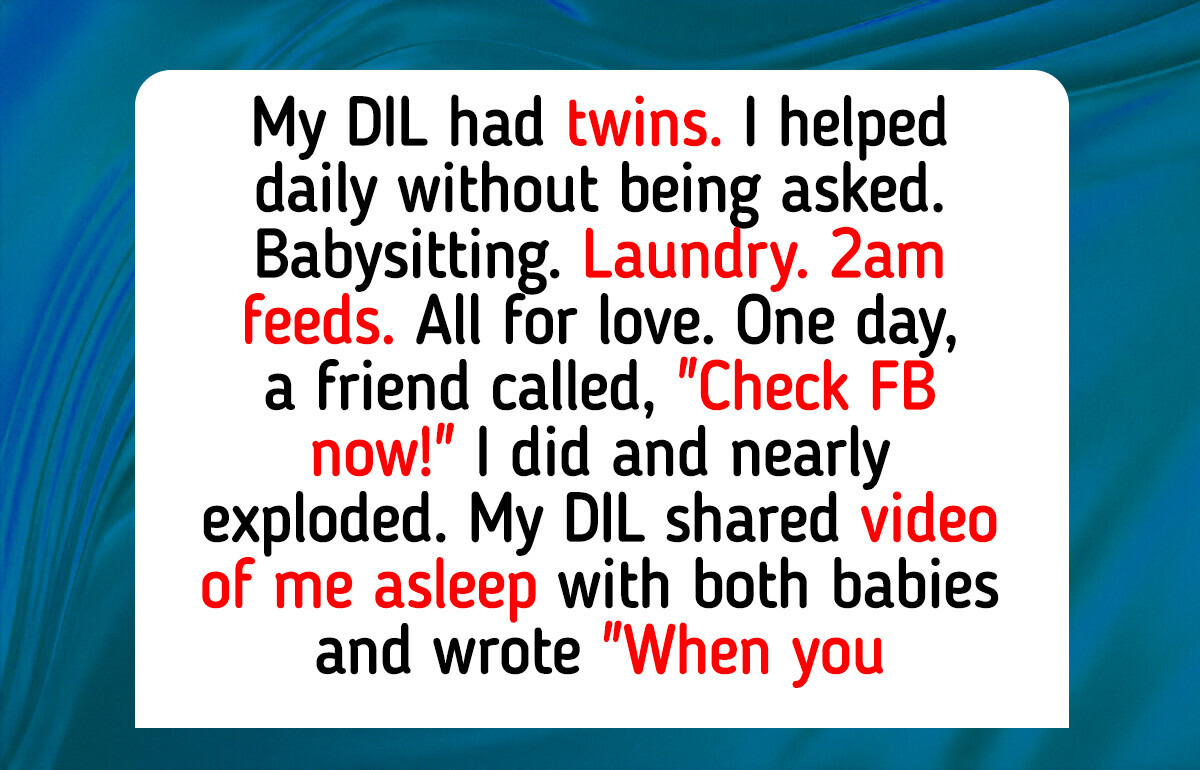
Everything shifted when a friend from my club quietly pulled me aside and asked if it was true I was with the twins “all day, every day, without pay.” I asked her what she meant. Then I saw it—my daughter-in-law had posted about me on social media, and it felt like a punch to the gut.
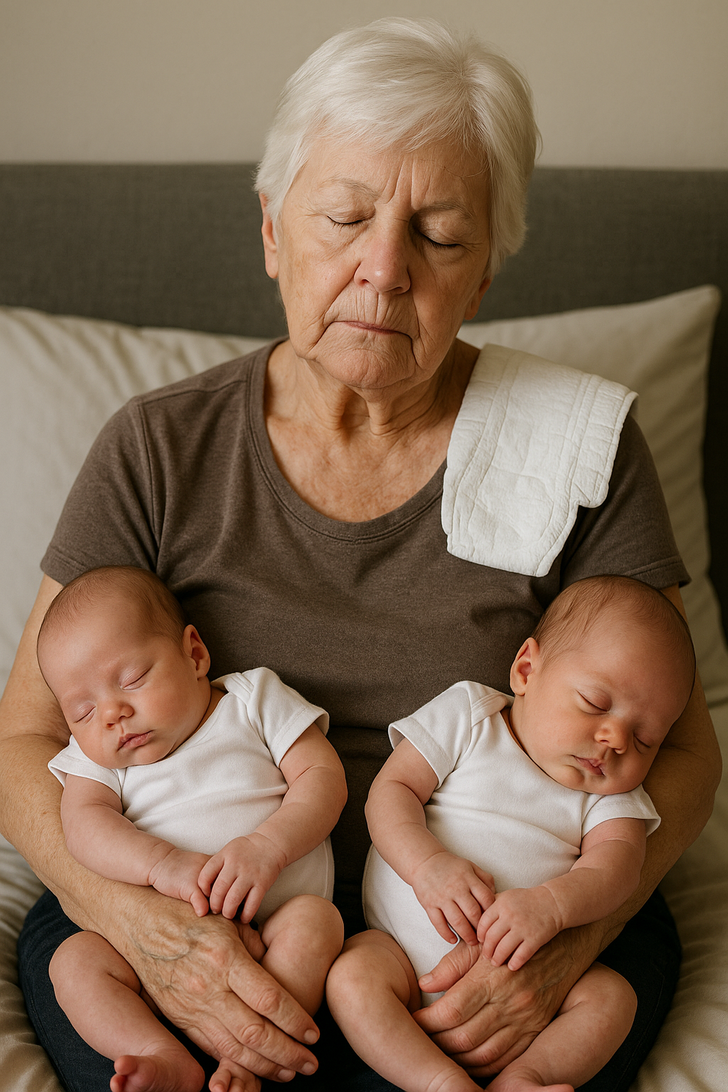
She had shared a clip of me holding both babies as they slept, my head tilted forward as I’d drifted off too, with a diaper resting on my shoulder. The caption read: “When you find your kids’ go-to diaper helper 😂💩❤️”.
“Diaper helper.” That’s what I’d been reduced to. Not a loving grandmother, not trusted family support—just convenient, unpaid childcare. She probably thought it was harmless humor, but it stripped away any sense of dignity I had left.
I finally spoke up for myself.


After seeing that post, I asked my daughter-in-law to sit down with me so we could clear things up. I told her, “I care about you, and I adore the twins, but I’m not part of your staffing. I’m your mother-in-law, not someone you can schedule like an employee.”
She looked genuinely taken aback. She said I had always been so willing to help and assumed I genuinely wanted unlimited time with the babies. I explained that I do love being with them, but not in a way that feels compulsory or emotionally loaded. I told her I would still come by and stay involved.
But I made it clear things needed limits. I said I would help occasionally, but only when we both planned it ahead of time, and I wouldn’t be expected to handle diapers, meals, or overnight stays anymore. She didn’t take it well—she raised her voice and accused me of being “cold and self-centered.” Still, I didn’t back down.
Around the same time, I decided to use the savings I had set aside for them and finally take a trip for myself instead of contributing financially when they asked again. It’s been a few weeks now. I haven’t visited, and I’ve left her messages about needing help unanswered while I’ve been away enjoying some quiet and freedom on my own. Now I’m left wondering—does choosing myself make me a bad mother-in-law or a bad grandmother?
Thanks for reaching out. Here are a few ideas you may want to reflect on:
Hold Your Ground Without Feeling Guilty — Setting limits doesn’t make you a bad grandmother. You supported them when things were overwhelming, but it’s completely valid to step back once expectations start replacing requests.
Reclaim the Version of Grandparenting That Works for You — Your role as a grandma should feel meaningful and fulfilling, not draining. You can stay involved, but in a way that feels voluntary and affectionate rather than like ongoing responsibility.
Allow Distance to Bring Clarity — If things feel tense right now, some space can actually help everyone reassess the situation and recognize what your support has meant.
Reply With Kindness While Staying Consistent — If your daughter-in-law contacts you again, you can respond warmly while remaining clear, for example: “I care about you all, but I can’t take on that kind of help at the moment.”
Embrace This Stage of Life for Yourself — Retirement belongs to you as well. Take the trip, enjoy your interests, and engage with your grandchildren in a way that feels right for you. You’ve already given a great deal.
Comments
Lucky you! This thread is empty,
which means you’ve got dibs on the first comment.
Go for it!