







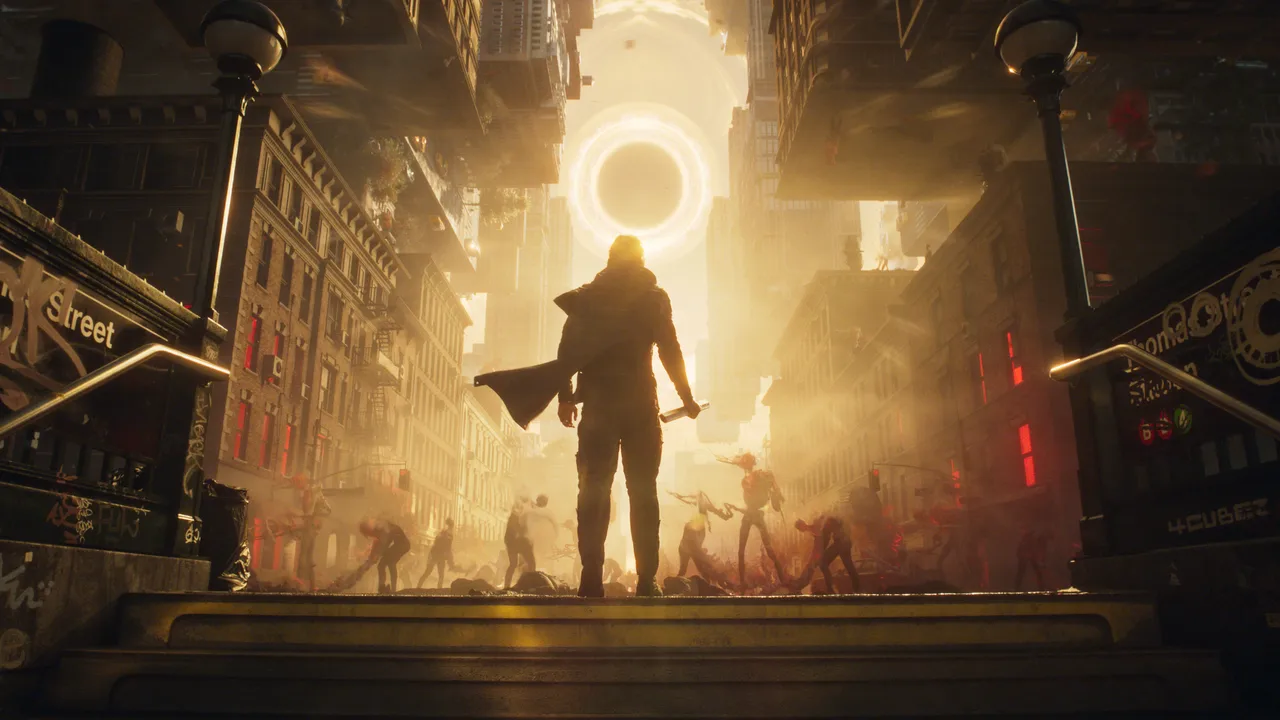
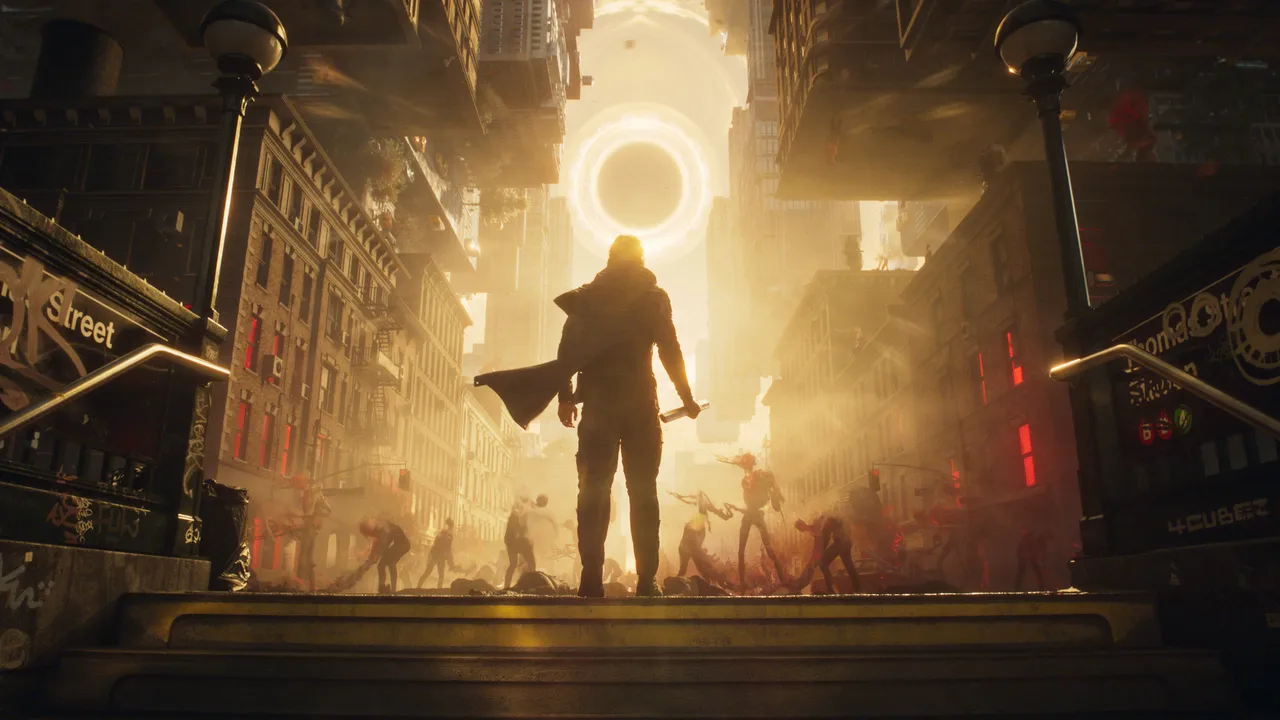

Image via Remedy Entertainment
Making games is hard. Making games in new gameplay genres (which require wholly different kinds of programming, animation, art, and design) is very hard. Making games, in new gameplay genres, in an original, strange and otherworldly setting, is very, very hard.
Yet Remedy Entertainment has done it again. Later this year, the studio will release Control Resonant, a sequel to 2019’s Control that puts players in the shoes of a new character (Dylan Faden, brother of Control protagonist Jesse Faden), with a new combat style (Dylan works with melee combat while Jesse sticks to guns). It’s set in a larger game environment (the city of New York), all within a strange, paranormal world with few obvious reference points in the world of game development. A project like this risks leaving a team meandering and uncertain of the final outcome—something creative director Mikael Kasurinen says he was keenly aware of while shaping the direction of this ambitious sequel.
Related:Stories from making Marvel Rivals
“Control was always a franchise that’s not about the single character,” Kasurinen told Game Developer in an interview at Gamescom LATAM. “It’s about a world that has its own story, that’s wide and complicated.” He added that this is also “the biggest game” Remedy’s ever made.
Kasurinen explained that to determine the game’s vision and ensure Remedy staffers could bring Control to life, his strategy was to spend a long time pinning down the core concepts, then strategically distributing them to the wider team.
Control Resonant has been “in development” since 2020
While the paint was still drying on 2019’s Control, Kasurinen said he began work on what would become Control Resonant, immediately (and simply) labeled as the sequel to Control. The team went through the inevitable prototyping and iterating on different ideas, the start-and-stop of making large games—all certainly impacted by the new generation of consoles that landed right after Control hit store shelves.
According to him, those years of testing allowed the official production timeline to sit around two to three years. “The early portion was more like concepting and thinking through ‘what are we gonna do and how we would do it’,” he said. “In the meanwhile, we were building processes, we were building our technology. We were creating tools, and basically preparing to go into pre production and full production with this game, in the last two to three years.”
What bridged the gap between those two cycles was what Kasurinen called a “vision propagation” that begins with him and a small number of leads from different disciplines workshopping the game’s pillars and high-level concepts. “Once we’re done with the early phases…they are committed,” he said, alluding to his coworkers. Those leads are then tasked with returning to their teams, and bit by bit, reading them into the targets for the game and individually adjusting their responsibilities and scope as needed.
Related:New Remedy CEO wants to preserve small budgets and break into Asia
“It starts with me giving a big idea early on, but the further we go, the more leaders within the team take responsibility over things. Towards the end, I honestly don’t need to do much except kind of go through and review [their work],” he explained. “I don’t need to remind people and say ‘hey, remember, here’s the vision of the game.’ They fundamentally have been part of creating it in the first place.”
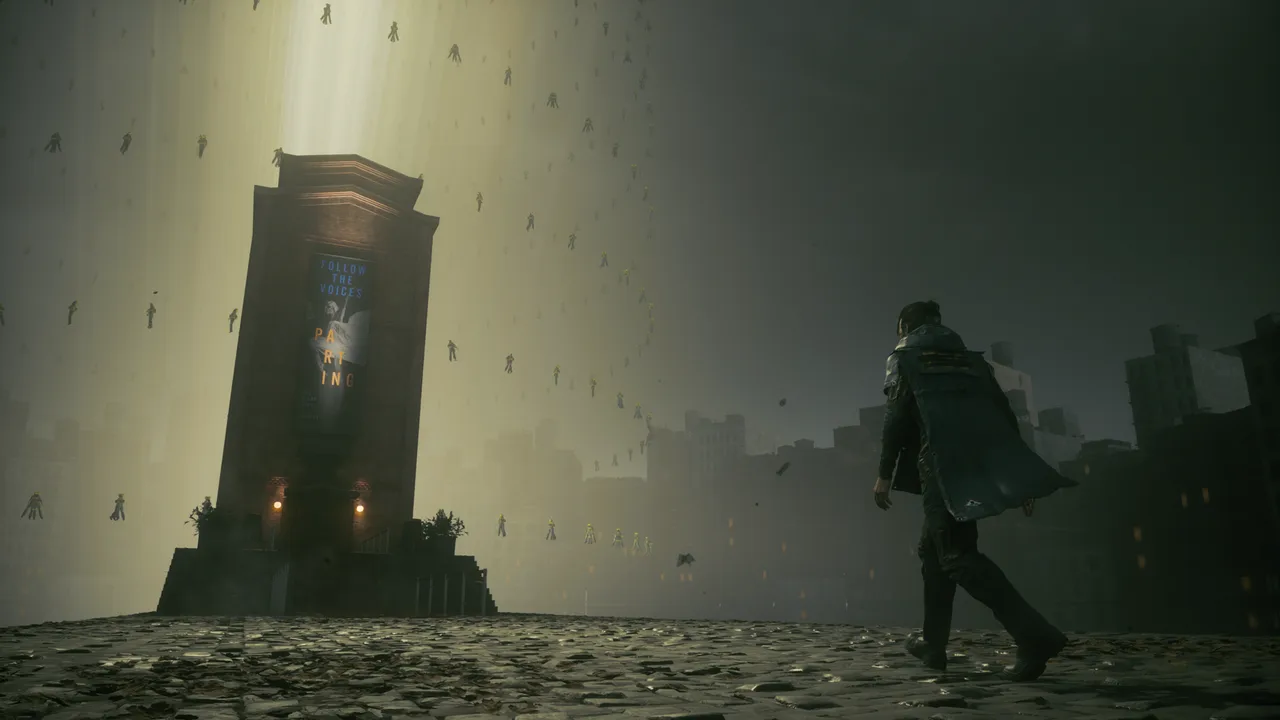
Image via Remedy Entertainment
Once Remedy’s developers are “excited,” he said, they will “go forward like a bulldog.”
This process is meant to build “investment” that helps teams when they’re coming up with creative design and technical solutions (like using the direction of rainfall to help players understand where “up” is when traversing Control Resonant‘s gravity-twisting levels) and accelerate decision-making when teams run into complex problems. “Whenever a team lead or director faces a [challenge] in that sense, it’s a serious moment, right?” he said, adding that forcing ideas he believes in from the top down is something he has “never seen work.”
Related:Enduring advice for all game producers: Unlocking the Vault 2.0
“If a team faces a wall and I can see the issues, I need to be able to step back and say ‘yep, it doesn’t work.’ We can let it go and find another way. But that thinking, that commitment, that investment, needs to work within the team, vertically, all the way to the top.”
“If it doesn’t, the team will kind of fall apart and lose a sense of what’s true and what’s false.”
About the Author

Senior Editor, GameDeveloper.com
Bryant Francis is a writer, journalist, and narrative designer based in Boston, MA. He currently writes for Game Developer, a leading B2B publication for the video game industry. His credits include Proxy Studios’ 4X strategy game Zephon, Iron Anchor Studios’ Down With The Ship, and Amplitude Studio’s 2017 game Endless Space 2.


