







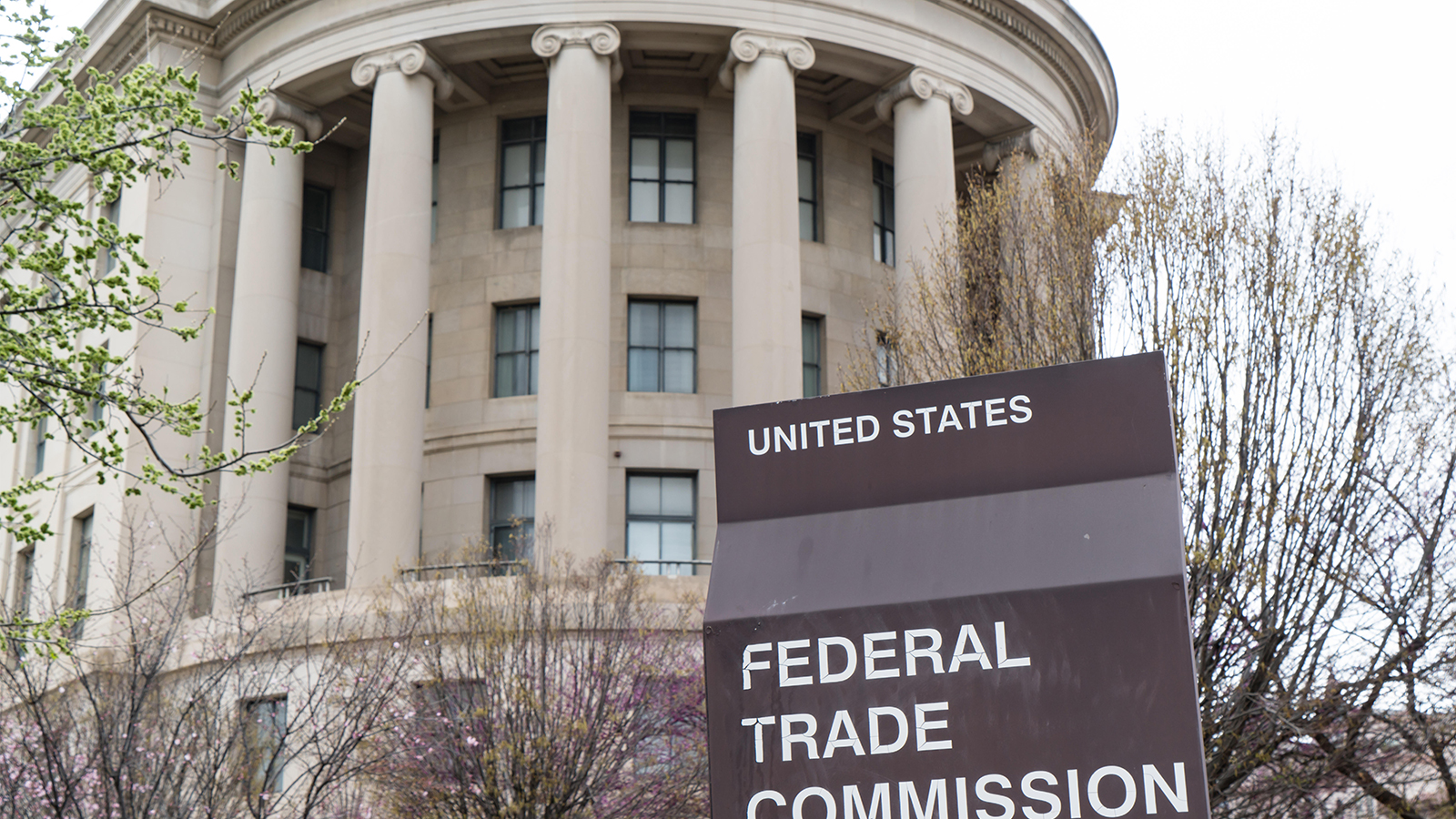
Critics of gender-affirming care for minors made their case at a day-long workshop before a Federal Trade Commission (FTC) that, under the Trump administration, has warmed to their views.
The Wednesday workshop was meant to help the FTC understand the claims being made, the science behind them, the risks to patients, and whether individuals had been subject to deception, according to FTC chairman Andrew Ferguson.
Those who had detransitioned after receiving gender-affirming care and their family members shared stories of feeling manipulated and coerced by therapists, physicians, and others. They argued they were rushed through the process of deciding to transition at a vulnerable period in their lives without the potential harms of the medications and procedures involved being fully disclosed.
Detransitioners Speak Out
Kayla Lovdahl, who filed a lawsuit against the Kaiser Hospital Foundation in which she is called Layla Jane, said she had unaddressed sexual trauma, undiagnosed autism, and was receiving unwanted attention from males around the time of her transition. “I didn’t know how to cope when I began menstruating and needing bras,” Lovdahl said. At age 11, she raised the issue of transgenderism with her therapist, who immediately “affirmed” her belief, diagnosed her with gender dysphoria, and wrote referrals for doctors specializing in pediatric transition care.
At age 12, she began taking leuprolide acetate (Lupron) — used to block the onset of puberty among other things — and at age 13 she underwent a double mastectomy. Today, at age 20, Lovdahl said her voice is permanently lower and she has fatty liver disease, atrophy, and urinary issues. She also suffers from extreme nerve pain. “Never along the way did anyone question why I suddenly wanted to become a boy. They didn’t comprehensively screen me for mental health disorders or ask me about any prior trauma,” Lovdahl said.
Accusations of Data Manipulation
Erin Friday, an attorney for Protect Kids California, a group that seeks to influence policies related to transgender youth, called the “gender industry” the “worst medical scandal in human history” and called for its “decimation” at the workshop.
She shared photographs and names of individual clinicians and clinics she said were “experimenting” on children, and called for a “crime board showing the connections and reach of each provider.”
Friday criticized guidelines and statements issued by the World Professional Association for Transgender Health (WPATH), the American Academy of Pediatrics (AAP), and the Endocrine Society and accused researchers of publishing papers “that reach predetermined conclusions through data manipulation and circular referencing.” Friday also said that despite calling for a systematic review of gender-affirming care in 2023, the AAP still has not produced one.
“Investigations must occur into influential medical and mental health societies who publicize false statements, knowing that their membership will blindly rely on their protocols,” Friday said.
Backlash to the Workshop
The decision to hold the workshop triggered significant backlash even within the FTC. A group of anonymous FTC staff members penned a statement arguing that the workshop “would chart new territory for the commission by prying into confidential doctor-patient consultations,” according to Reuters.
“Simply put, in our judgment, this is not the FTC’s lane,” they said. “It is unacceptable to subject our LGBTQ+ colleagues — in their place of work — to individuals who deny their existence and disrespect their humanity.”
FTC spokesperson Joe Simonson responded with a statement suggesting “staff who oppose a workshop designed to better understand the concerns of tens of millions of parents, children, and medical professionals are free to resign.”
Scott Leibowitz, MD, co-lead for the WPATH Standards of Care Version 8 adolescent guidelines, also criticized the meeting. “Instead of leaning on the experience of expert health professionals who can explain the complexities that go into assessing and caring for transgender and gender-diverse youth, the Federal Trade Commission did the opposite. The FTC’s politically motivated workshop sowed misinformation and promoted fringe opinions,” Leibowitz told MedPage Today in an email.
“The truth is that transgender and gender-diverse youth exist, they have individualized and complex healthcare needs, and decisions about their healthcare should be left to them, their families, and their doctors,” he continued. “That’s why our globally recognized and best practice standards are there – to provide the necessary and conservative guardrails needed for this healthcare to be delivered ethically and appropriately.”
Ferguson defended the decision to address gender-affirming care for minors at the agency: “Refusing to investigate these health claims and the potential consumer harm to parents and children merely because one political party supports those claims as a matter of its ideology would be the politicized choice,” he said. “We are here today to ensure that parents and children seeking professional help in a period of intense distress do not make potentially life-altering choices under a veil of deception.” Ferguson also said the agency would issue a request for information on the harms of gender-affirming care in the coming days.
The Department of Justice announced on the same day that it subpoenaed more than 20 doctors and clinics for providing transgender medical care to minors.


