

Fighting The Ghosts of Britain’s Past: New Prime Minister Defines Himself as Anti-Thatcher Leader
35 years after the late Margaret Thatcher left office, the new leader of Britain’s Labour Party Andy Burnham, who will assume the office of Prime Minister on Monday, has launched his leadership with a tirade against Thatcherism.
Former Tony Blair-era lawmaker and Manchester Mayor Andy Burnham has become the leader of the Labour Party after a contest in which he was the only entrant. At a special party conference in central London to mark the occasion, Burnham spoke to thank those who had helped him into power ahead of him formally becoming Prime Minister on Monday.
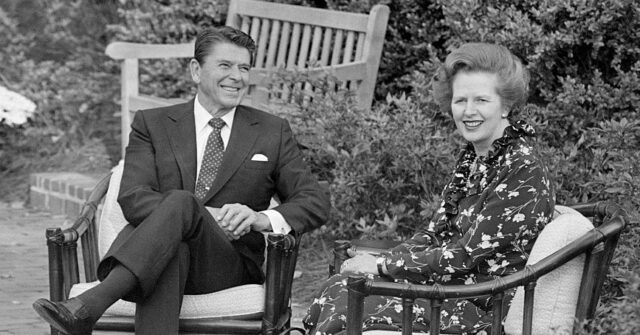
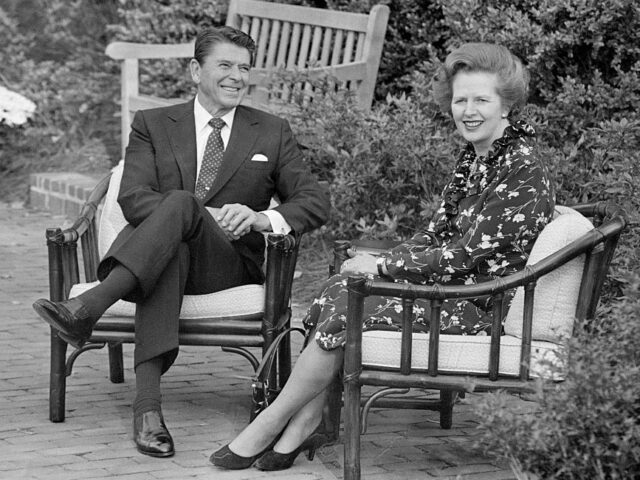
Particularly thanking his political patrons and mentors in the audience, Blairite political veterans David Blunkett and Margaret Beckett, Burnham laid out the importance of defeating “Britain’s new right” — itself a term firmly rooted in the 1980s of Prime Minister Margaret Thatcher and President Ronald Reagan — Burnham decried splits on the left as an “indulgence” that distracts from the main mission of consolidating power.
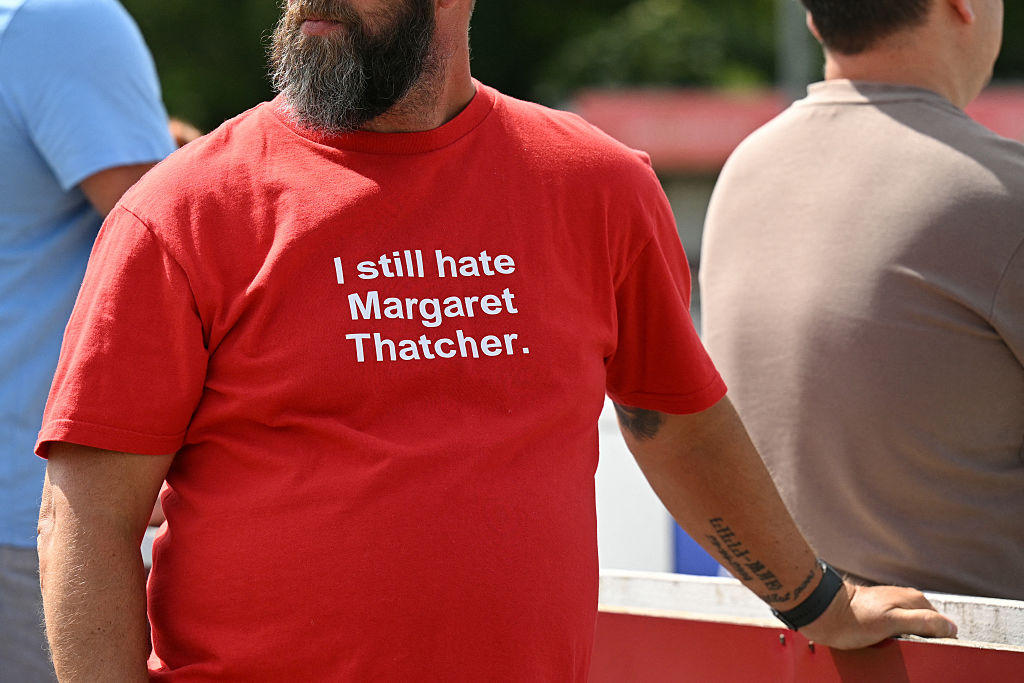
A labour party activist’s t-shirt reads ‘ I still hate Margaret Thatcher’ as he attends an event with new Labour Party MP for Makerfield, Andy Burnham, at Ashton Town FC, in Ashton in Makerfield, north-west England on June 19, 2026. (Photo by Oli SCARFF / AFP via Getty Images)
Explaining his leadership would be characterised by cracking down on dissent among the left and focussing that energy on the left’s external enemies, Burnham stated his political faction faced a now-or-never moment, stating: “let’s be honest everybody, this is a last chance to change”.
While Britain, its society, and political system was remade through enormous forced change in the late 1990s and early 2000s under the left-globalist Tony Blair governments — in which Burnham served in various roles — Burnham launched his vision for leadership today as being in opposition to Thatcherism. He said:
I am clear, Britain took a series of wrong turns in the 1980s. Political power was centralised, and economic power was privatised. The country surrendered control of the essentials: housing, water, energy, transport. And left people exposed to higher costs.
That in turn led to the concentration of more wealth and power in the hands of fewer people and fewer places. Large parts of Britain were deindustrialised without the power to set new ambitions for themselves.
Burnham also took an oblique swipe at Brexit and a referendum-era campaign campaign slogan. Weaving the narrative of a monolithic British right having destroyed the country in the 1980s, he said: “the right use a phrase, ‘take back control’, but they are the ones who gave it away in the first place”.
The speech was notably light on policy. Indeed, there has been little to none of that from Burnham so far at all, criticism of which Britain’s journal of the left The Guardian derided in its response to this morning’s address as “ghastly” and “sneery” as it insisted that, in fact, “Burnham’s leadership has got off to a good start”.
The late Margaret Thatcher was the Prime Minister of the United Kingdom between 1979 and 1990, and while a major reforming influence on the country, the Thatcher era is now 35-years passed and even those who had been her most ardent supporters in the 21st century now observe that time is long over.
Britain’s sitting Prime Minister will resign on Monday, to be replaced by Mr Burnham.
