

Advertisement

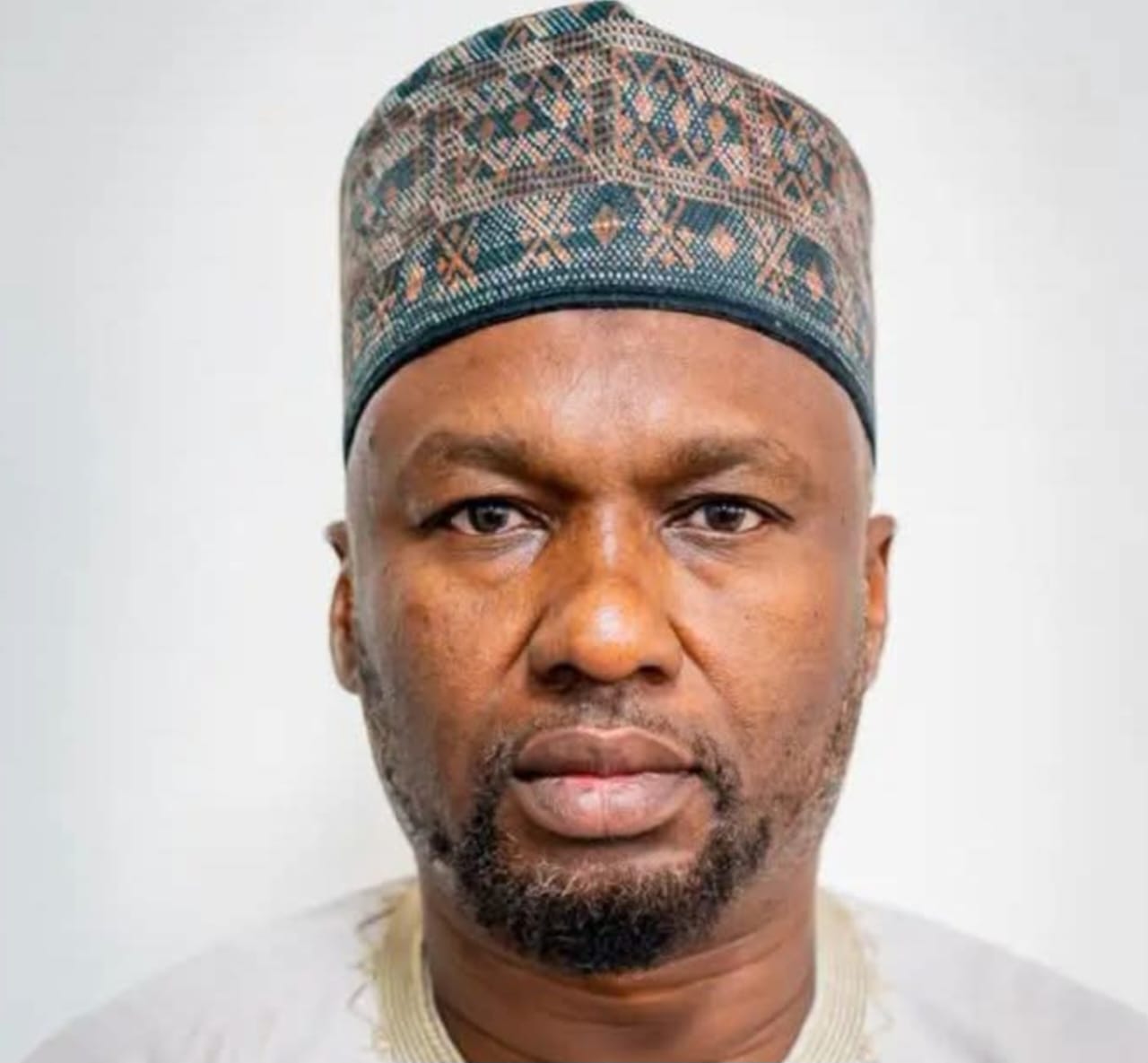
Dr. Lawan Sani: When a Cybersecurity Expert Becomes the Emir of Gumel
By Shuaib S. Agaka
Few traditional institutions in northern Nigeria carry the historical depth and distinctive character of the Gumel Emirate. Founded in the 18th century, Gumel has survived more than two and a half centuries of political, social and cultural change while retaining its identity and the authority of its traditional leadership. Its history predates modern Nigeria, reflects the influence of the Kanem‑Borno world, and evolved through interactions with Hausa states and the wider northern region.
The throne has passed through generations of rulers, from Dan Juma I, regarded as the founder of the emirate, to Maina Muhammad Sani II, who ruled from 1944 to 1981. His son, Ahmed Muhammad Sani II, succeeded him and went on to become one of the longest‑serving first‑class traditional rulers in Nigeria. The late Emir Ahmed Muhammad Sani II did not merely inherit the throne; he arrived with a rich background in public administration and politics. He worked with the Gumel Native Authority, served in the Nigeria Immigration Service, and later became Commissioner for Information, Internal Affairs and Culture in the old Kano State. He played a role in establishing the Triumph newspaper, CTV67 and expanding Radio Kano—institutions that shaped media development in the region. When he ascended the throne in 1980, he brought that experience with him, guiding Gumel through decades of change.
That history matters because it sets the stage for the arrival of his successor. Following the death of Ahmed Muhammad Sani II on September 3, after 46 years on the throne, the question of succession was not simply about filling a vacant stool. It was about finding someone capable of carrying forward an institution defined by long service, education, public engagement and stability. On September 6, the Jigawa State Government approved the appointment of Dr. Lawan Ahmed Muhammad Sani as the 17th Emir of Gumel, following recommendations from the kingmakers and the Jigawa State Council of Chiefs. Until his appointment, he was the Chiroman Gumel and served as Director of Cybersecurity at the National Information Technology Development Agency (NITDA).
Dr. Lawan’s professional background brings a distinctive dimension to the historic throne. He holds a PhD in Computer and Communication Systems Engineering from Universiti Putra Malaysia, an MSc in Computing from De Montfort University in Leicester, and a bachelor’s degree from Ahmadu Bello University, Zaria. His career spans academia, research and public administration. He spent more than a decade in Saudi Arabia, serving as Chairman of the Computer Science and Engineering Department at the University of Hafr Al‑Batin. He previously lectured at Swinburne University of Technology in Australia, where he headed a smartcard research group. His research interests include computer and network security, smart cards, cloud computing and wireless communication systems. He has supervised postgraduate students, examined research work, published internationally and participated in funded projects.
This combination of traditional leadership and extensive experience in technology presents Gumel with an opportunity to connect its heritage with the demands of a changing world. Dr. Lawan’s reign should not be viewed as an attempt to match or surpass that of his father. Every reign is shaped by its own moment. His father led Gumel through a different Nigeria; Dr. Lawan inherits the throne at a time that calls for new ideas and priorities while preserving the values that have sustained the emirate.
Education offers one of the clearest opportunities. An Emirate Education and Skills Initiative could identify promising young people and provide scholarships, mentorship and practical digital training. Beyond university admission, such a programme could connect students with professionals and institutions that help them develop employable skills in software development, data analysis, cybersecurity, digital communications and other areas of the growing digital economy. The palace does not need to become a technology institution; it only needs to use its influence to bring together universities, professionals, government agencies and development organisations.
Dr. Lawan could also support a community cybersecurity and digital literacy programme. With online fraud, identity theft, scams and misinformation increasingly affecting Nigerians, communities need practical knowledge about protecting themselves online. Schools, small businesses, civil servants and young people could benefit from periodic training delivered in partnership with universities and technology organisations.
His research background could contribute to a more evidence‑based approach to community development. The emirate could work with universities to collect basic data on education, agriculture, youth employment, health and local businesses. Such information would help leaders understand local needs and identify areas where intervention would have the greatest impact.
Agriculture should remain central to the development agenda. Gumel and its surrounding communities have strong agricultural roots, and technology can help farmers access market information, weather updates, extension services and potential buyers. A practical pilot involving local farmers, agricultural institutions and technology partners could provide a useful starting point.
Yet his most important responsibility will remain the human side of traditional leadership. A modern Emir’s influence cannot be measured only by initiatives introduced during his reign. People will come to the palace with family disputes, economic difficulties, questions about education, concerns about security and requests for support. The strength of traditional leadership lies in its ability to listen, mediate, provide guidance and build trust.
Dr. Lawan inherits more than a throne; he inherits a tradition of service. His father’s long reign leaves him with a significant legacy and a strong foundation upon which to build. If more children remain in school, if young people acquire useful skills, if farmers gain better access to markets, if entrepreneurs find new opportunities, if digital safety improves and if the emirate becomes better connected to its professionals at home and abroad, then his journey from the university laboratory to the royal palace will have acquired a deeper meaning.
The crown should not mark the end of Dr. Lawan’s professional journey. It should be the point at which the knowledge, experience and networks he has accumulated over the years are brought to bear in service of a much larger community. His task is not to replicate the reigns of his predecessors, but to honour what they built, preserve what must be preserved and bring fresh ideas to the challenges facing his people.
That may be the most fitting way to carry forward a throne that has endured for centuries.
Shuaib S. Agaka is a tech journalist and digital policy analyst based in Kano
