






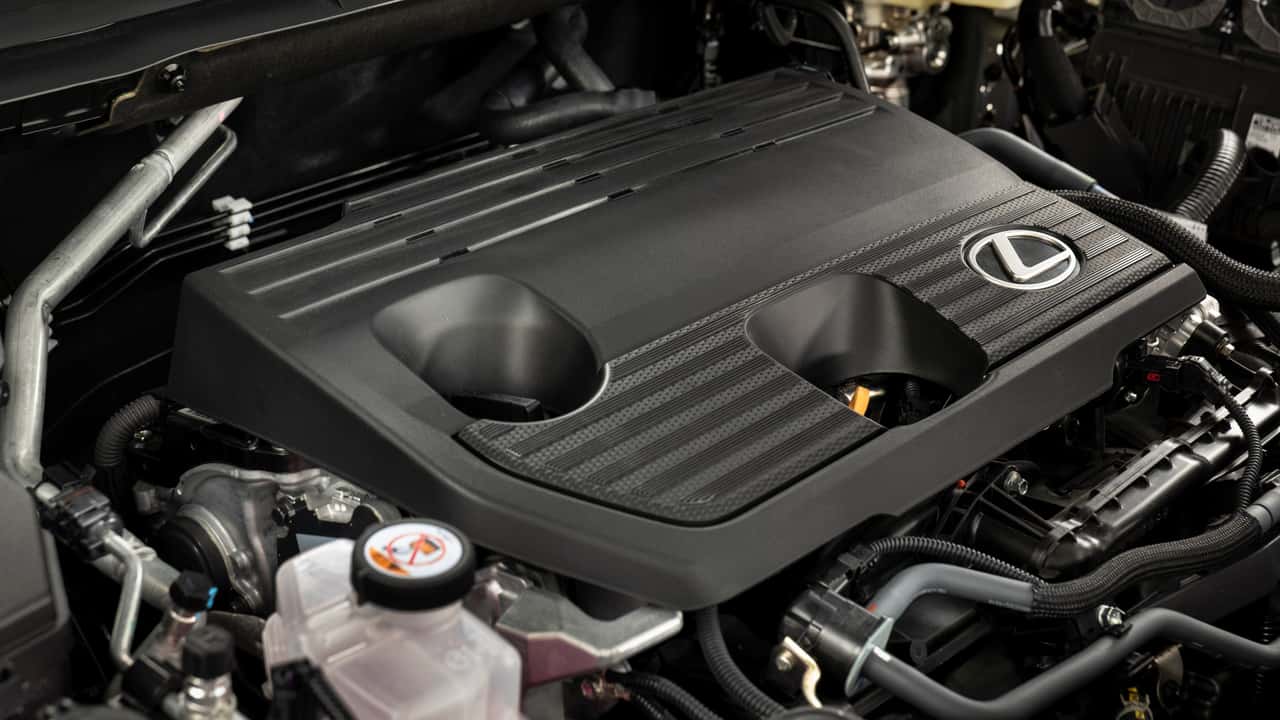
Hybrid cars promise better fuel economy, lower emissions, and less time spent at the gas station. But there’s a common concern among drivers: if a hybrid constantly switches its gas engine on and off, could that actually cause more wear and tear than driving a conventional car?
The answer is more complicated than you might think. Electric motors can reduce the workload on a hybrid’s gasoline engine, particularly in stop-and-go traffic. However, frequent starts, short trips, and oil that never gets fully warmed up can create their own challenges.
Hybrid Engines Often Have An Easier Life
At first glance, hybrid powertrains might seem particularly tough on gasoline engines. Instead of running continuously, the engine can shut off at traffic lights, during low-speed driving, and whenever the electric motor can handle the work. It then fires back up when the car needs more power or the battery needs charging.
But those frequent shutdowns don’t automatically translate into excessive engine wear. In many hybrids, the electric motor helps the car accelerate from a standstill, reducing the load on the gasoline engine during one of the more demanding parts of everyday driving. Regenerative braking also helps reduce wear on conventional friction brakes.
Hybrid manufacturers design their powertrains around this stop-start operation. Engine management systems control when the engine starts, how much power it produces, and how it warms up. Research published by the Society of Automotive Engineers (SAE) has documented how hybrid engines use specific operating strategies to manage temperature, lubrication, and engine load.
In other words, a hybrid engine is not simply a conventional engine being switched on and off at random; it’s part of a system engineered to work that way.
The Real Concern Is Cold Starts And Engine Oil
There is, however, a legitimate reason to pay attention to hybrid engine maintenance: temperature. When a gasoline engine is cold, its oil hasn’t yet reached its normal operating temperature. Combustion can also introduce small amounts of unburned fuel and moisture into the crankcase. Under normal conditions, sufficient operating temperature helps moisture and volatile fuel components evaporate from the oil.
Some hybrids spend much of their time driving electrically, particularly on short urban trips. If the gasoline engine starts briefly, shuts off, and never stays hot long enough, fuel and moisture can accumulate in the oil. Fuel dilution can reduce the oil’s viscosity, potentially weakening the protective film between moving engine parts.
Research into hybrid engine lubrication has identified this as a genuine concern under certain operating conditions. A 2020 SAE technical paper examined how engine-start frequency and oil viscosity affected fuel dilution in a plug-in hybrid.
That doesn’t mean every hybrid suffers from contaminated oil or premature engine wear. The outcome depends on the vehicle’s design, climate, driving habits, and maintenance. Modern hybrids are engineered to manage these challenges, but repeated short trips in cold weather can still be harder on the engine than longer journeys that allow it to warm up properly.
Does Starting And Stopping The Engine Cause More Wear?


It’s reasonable to assume that more engine starts must mean more wear. After all, conventional engines generally experience their greatest wear during startup, when oil circulation and temperatures haven’t yet stabilized.
However, the number of starts alone doesn’t tell the whole story. Hybrid systems can manage engine starts using dedicated starter-generators or other integrated components, depending on the design. They can also limit engine speed and load while the engine warms up.
Once the gasoline engine is running, the electric motor can help supply the power needed to accelerate, reducing the engine’s workload in some situations. The engine may also spend less time idling than it would in a conventional vehicle.
There’s another important distinction: engine starts aren’t all equally stressful. Restarting a warm engine is different from starting one that’s been sitting overnight in freezing temperatures. A short burst of engine operation followed by another shutdown can also be less favorable for oil temperature than a longer drive.
So, while frequent starts are a factor engineers have to account for, they don’t prove that hybrid engines wear out faster. The engine’s temperature, load, lubrication, and control systems all matter.
How To Keep A Hybrid’s Gas Engine Healthy
Hybrid ownership doesn’t require an entirely different approach to engine care, but it does make following the manufacturer’s maintenance schedule especially important. Here are a few habits that can help keep a hybrid’s gasoline engine in good condition:
- Change the oil on schedule. Follow the intervals in the owner’s manual, including time-based limits. Low mileage doesn’t necessarily mean the oil is still in good condition.
- Use the correct oil specification. Hybrid engines may require specific viscosity grades and performance standards. Don’t choose oil based on price or viscosity alone.
- Pay attention to short-trip driving. Repeated journeys that end before the engine warms up can encourage moisture and fuel accumulation in the oil.
- Check the oil level regularly. An unusual increase in oil level or a strong gasoline smell warrants investigation by a qualified mechanic.
- Don’t ignore warning lights. Engine warnings, rough running, unusual noises, or unexpected changes in fuel economy deserve attention.
- Follow the hybrid-specific service schedule. The engine, cooling system, electrical components, and hybrid battery all need the checks specified for that model.
There’s no universal rule that every hybrid needs more frequent oil changes than a gasoline-only car. Service intervals vary by manufacturer and model, so the owner’s manual is the best guide.
What Do Drivers Say About Hybrid Engine Wear?
Reddit users have debated whether hybrids need different oil-change schedules because their gas engines run less often. In a discussion on r/regularcarreviews, commenters discussed whether engine operating hours might be a better maintenance guide than mileage alone.
Fuel dilution is another concern among hybrid owners. In an r/Toyota discussion about hybrids, drivers talked about oil analysis, short commutes, and cold-weather driving. Their experiences highlight why oil condition matters, though individual reports can’t show how common the issue is.
Some drivers have also discussed rough or noticeable engine starts in hybrids. In an r/prius thread, a Prius Prime owner described an unusually aggressive engine start, prompting others to compare experiences.
Are Hybrid Engines Less Reliable Than Gas Engines?
The broader reliability picture doesn’t support the idea that hybrids are inherently hard on their gasoline engines.
According to Consumer Reports’ reliability findings published in 2025, conventional hybrids from the 2023–2025 model years had about 15% fewer problems on average than gasoline-only vehicles. That’s an overall vehicle reliability comparison, not proof that hybrid engines themselves last longer, but it does challenge the idea that hybrid technology automatically creates more trouble.
It’s also important to distinguish conventional hybrids from plug-in hybrids. Plug-in models have larger batteries and can cover more distance using electricity alone. Depending on how they’re driven, their gas engines may run less frequently and sometimes spend more time operating in conditions where oil temperature deserves attention. PHEVs also add complexity, and reliability varies considerably by model.
Ultimately, the quality of the individual powertrain matters more than the hybrid label. Engine design, maintenance history, driving conditions, and the manufacturer’s track record all influence long-term durability.
More From Motor101
We want your opinion!
What would you like to see on Motor1.com?
– The Motor1.com Team


