






Published:
The County of San Luis Obispo Department of Public Health is wrapping up its investigation into an outbreak of E. coli O157:H7 infections linked to Brookshire Farms in San Luis Obispo.
Fifteen people are included in the outbreak – five who were laboratory confirmed. The county previously reported that three children with infections had hemolytic uremic syndrome, a serious side effect that causes kidney failure and sometimes other organ failure and brain damage.
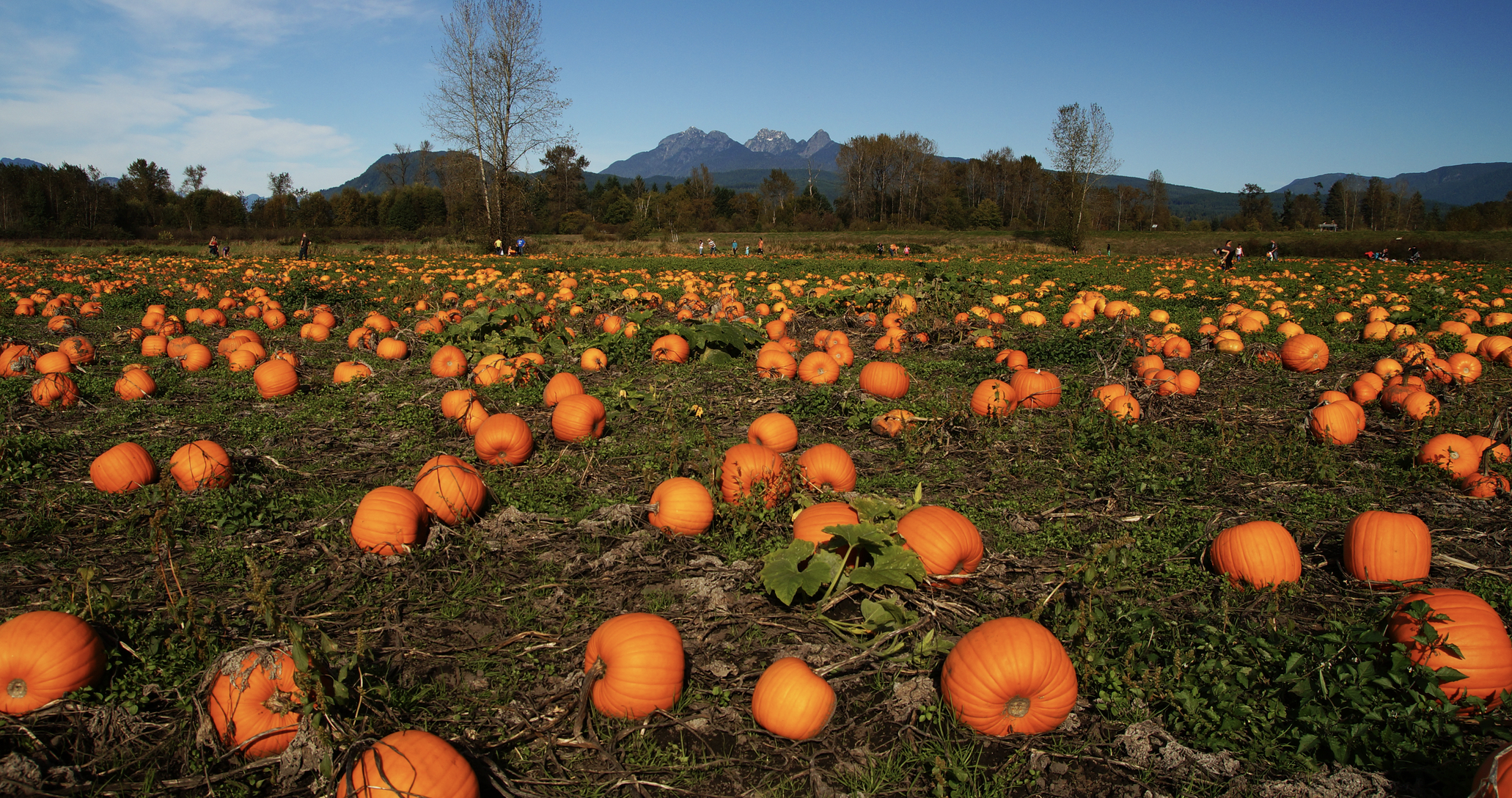
The owners of the Brookshire Farms pumpkin patch reopened the attraction about five hours before the county announced its investigation was over.
“Based on the findings of our investigation, we believe the risk of additional exposure associated with this incident has passed, and there is no longer an ongoing public health threat,” said County Health Officer Dr. Christy Mulkerin.
“Our hearts go out to the families affected by this outbreak. We thank all those who have helped protect our community in response to this outbreak, and we encourage community members to continue practicing good handwashing and food safety to protect themselves and their families.”
The investigation found:
- All five people who had laboratory-confirmed Shiga toxin-producing E. coli O157 infection visited Brookshire Farms on Oct. 17 or 18, 2026.
- Additional testing showed that the bacterial strains in three of the patients were a genetic match. A fourth test is pending. A fifth test could not be performed.
- While matching to each other, the bacterial strains from patients did not closely match other known strains in national databases. The genetic findings strongly suggest exposure to a common and unique source.
- An additional 10 individuals who visited the farm between Oct. 16 and 26, 2026 and developed symptoms have been deemed suspect cases in this investigation; no additional information will be provided on these individuals.
- Patient visits to the farm occurred within the timeframe expected from exposure to illness.
- Testing of water, food, and other environmental samples collected at the farm did not find E. coli O157 specifically. Other types of bacteria, including other strains of E. coli, at the farm were found in some samples, but those results did not identify the source of the E. coli O157 outbreak.
- Testing of environmental samples was limited due to the abundance of potential sources, absence of testable items, delays between exposures and sampling, and other factors. No additional environmental testing is planned at this time.
- Some potential exposures common to infected individuals remain notable, including edible corn cups, pumpkins, hay and non-potable water sources, although no specific source of the E. coli O157 was identified.
- No farm animals or petting zoos, which are a common source of STEC, were available to the public or operating within the farm premises.
“Although it’s frustrating to not be able to pinpoint the exact source of the infection through environmental lab testing, this is not unexpected, and bacterial contamination is often temporary and difficult to detect through available sampling methods,” said Mulkerin.
“Our focus has remained protecting the public from ongoing risk. While environmental sampling did not identify a source, clinical and epidemiological information continues to point to a short-lived shared exposure. We believe there is no ongoing risk to the community.”


Coral Beach
Managing Editor Coral Beach is a print journalist with more than 35 years experience as a reporter and editor for daily newspapers, trade publications and freelance clients including the Kansas City Star and Independence Examiner.
Your Support Protects Public Health
Food Safety News is nonprofit and reader-funded. Your TAX-FREE gift ensures ongoing coverage of outbreaks, recalls, and regulations for everyone.


