




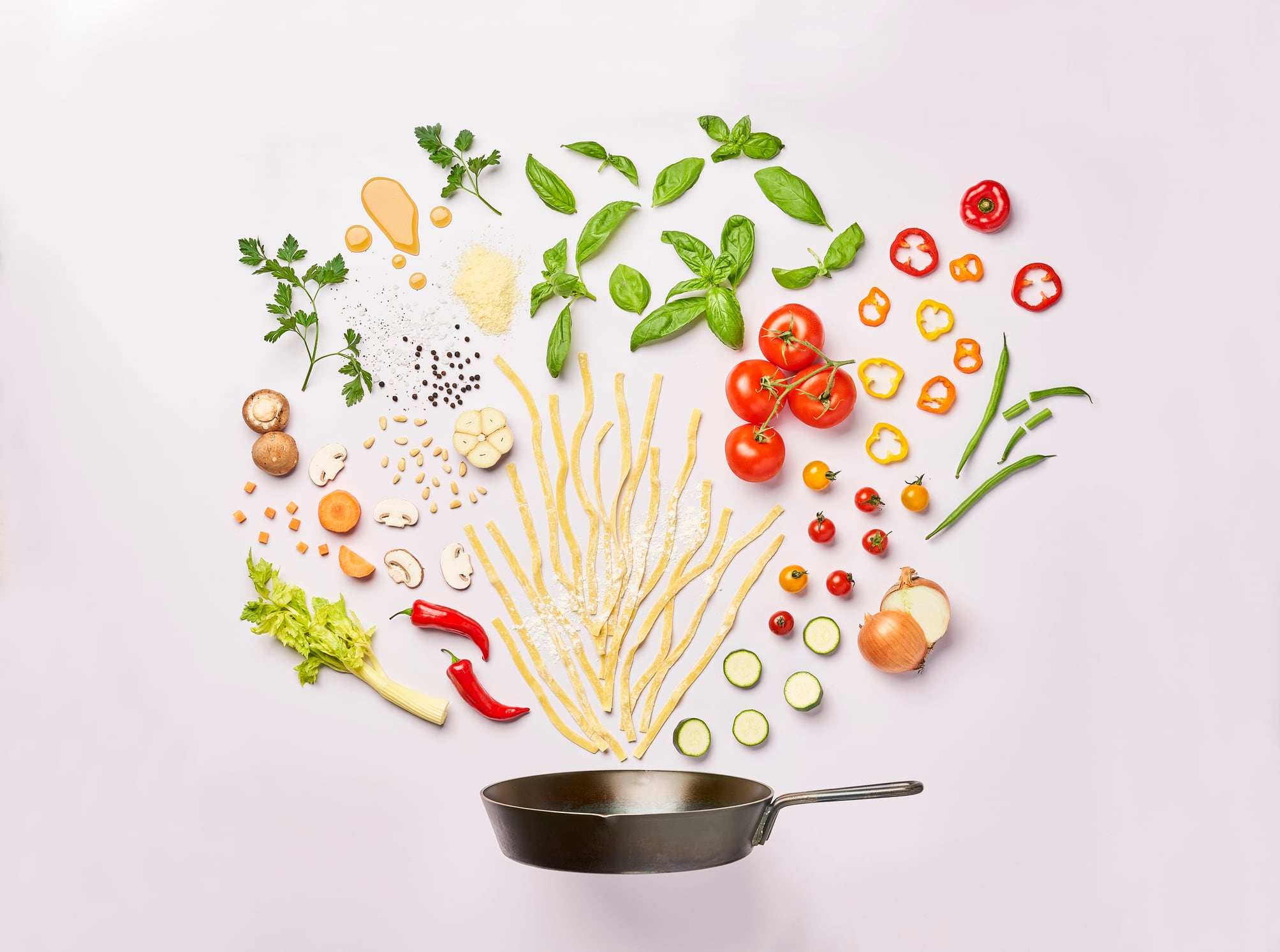
Do clean label and functional foods coexist? Summary
- Consumers increasingly seek functional foods delivering benefits beyond basic taste
- Clean-label products appeal through simple ingredients and natural health cues
- Experts say both trends can coexist despite differing consumer motivations
- Ultra processed foods raise concerns even when fortified with functional additives
- Younger consumers favour naturally functional foods offering benefits without heavy processing
Consumers want to be healthy. This has always been true to some extent, but lately this desire has been manifesting itself in strong interest in ingredients lists – consumers are increasingly looking at the back of pack, searching for both natural and functional ingredients.
On the one hand, the popularity of functional foods has ricocheted throughout the sector. Foods high in protein, fibre and other nutrient-forward ingredients are in demand as consumers seek out benefits beyond taste and texture.
On the other, the backlash against ultra-processed foods and demand for transparency has given rise to the popularity of clean-label products, the ingredients lists of whichare short and simple. Health-conscious consumers want natural foods they can easily understand.
Do these trends clash with, or complement, each other?
Do clean label and functional foods clash or complement?
The two trends can complementary; they target different consumer needs, but do not directly contradict each other.
“There is room for the two,” suggests Mylene Potier, ingredients director at market research company Gira Food.
“Some consumers are looking for very natural and clean-label products, and others are looking for products with an effect on their body for sports performance, and perhaps are less concerned about the list of ingredients.”
Nevertheless, reformulation cannot always counter the potential harms associated with ultra-processed foods, at least according to the landmark Lancet study on the subject released last year.
Adding functional ingredients, such as protein and fibre, can work to distract from potentially harmful aspects of ultra-processed foods, such as soft texture, which affects how the body absorbs nutrients.
The process of fortification is not, in itself, harmful, explains Philip Baker, one of the researchers. Nevertheless, fortified foods often use claims to distract from a food’s ultra-processed nature.
Some functional foods, such as protein bars, have come under fire in recent months for being heavy in additives and artificial ingredients.
So while the functional food trend and the clean-label trend can complement each other, in many cases they do not.
Can functional food be clean label?
The food industry is making an effort to lean into the clean-label trend.
“Clean label is a composition for food that can be functional or not. It’s a common goal to be more clean label. Both claims are possible,” explains Gira Food’s Potier.
Once, the two trends were considered contradictory. In fact, according to a 2022 report from market research company FMCG Gurus, clean label’s popularity partially stemmed from scepticism around the ‘scientific’ language used by functional food marketing.
However, they are not inherently opposites. Younger consumers are increasingly attracted to ‘naturally functional foods’, reports our sister publication The Grocer.
Foods such as Greek yoghurt and whole milk are perceived by these consumers as having functional benefits without the downside of being highly processed.
Despite often being paired with processing, functionality can certainly be found in clean-label products. All this requires is the right ingredients, arranged in the right way.