







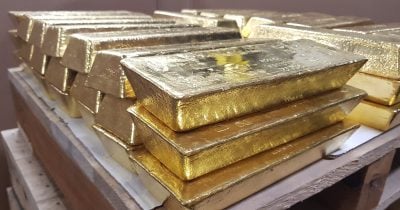
Central banks increased their gold purchases by 62 tonnes in the second quarter of 2026 compared to the same period last year, reaching a total of 289 tonnes. This marks the largest quarterly addition since the fourth quarter of 2024, according to data highlighted by the World Gold Council. The surge in demand was particularly bolstered by significant acquisitions from Poland and China. The second quarter figures represent a fivefold increase from the revised 57 tonnes in the first quarter of 2026, suggesting a robust appetite for gold among official-sector buyers. Market pricing reflects that this development could support scenarios where gold prices might rise significantly by the end of the year.
Key Takeaways
- Central bank gold purchases in Q2 2026 appear consistent with increased demand, reaching the highest level since Q4 2024.
- The substantial year-over-year increase suggests continued interest from major economies like Poland and China.
- Market pricing indicates that this surge in official-sector gold demand may influence gold price expectations for December 2026.
What to Watch
Markets will be closely monitoring whether central banks, particularly in Asia and Europe, continue to accumulate gold at current or increased rates. Key factors include geopolitical tensions and economic indicators, such as inflation rates and central bank monetary policies, which could further influence gold demand and pricing. Observers should watch for any updates from major financial institutions, like Goldman Sachs, regarding their gold price forecasts, as these could impact market expectations for gold reaching $15,000 by the end of 2026.
Get live prediction-market analysis, powered by Vera. Sign up for Vera.
Disclosure: This article was edited by Estefano Gomez. For more information on how we create and review content, see our Editorial Policy.


