

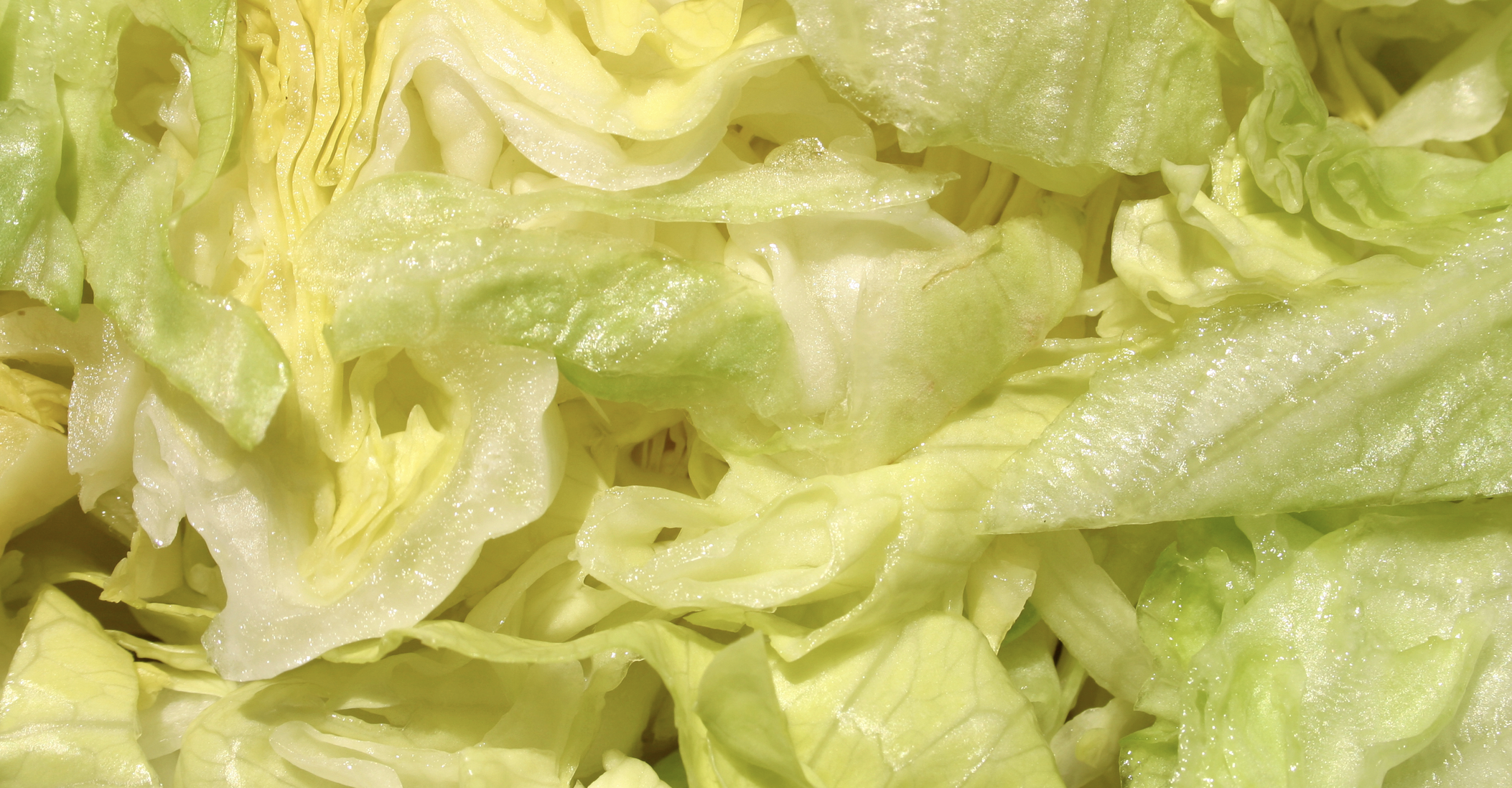
The CDC is reporting 3,123 more cases of Cyclospora infections compared with a week ago in an outbreak linked to iceberg lettuce from a Taylor Farms growing operation in Central Mexico.
The total number of patients for the outbreak now stands at 9,481with 398 hospitalizations. Two people in Michigan have died. The Centers for Disease Control and Prevention has also added two states to the outbreak, bringing the total to 17. The new states are Maine and Massachusetts. The other states in the iceberg lettuce outbreak are Arkansas, Iowa, Nebraska, New Hampshire, North Carolina, Missouri Illinois, Indiana, Kansas, Kentucky, Michigan, Ohio, Oklahoma, Pennsylvania and West Virginia.
Taylor Farms recalled iceberg lettuce products on July 17. The recall only covered products sold up to that day. The CDC reports that best-by dates for the recalled products have passed and they should no longer be available in stores or restaurants.
The 50 states are reporting more cases than the CDC, with Michigan alone reporting 13,909 patients, 314 of whom have been hospitalized. A week ago the state was reporting 12,485.
Some of the cases in the individual state counts may be part of other outbreaks the CDC and Food and Drug Administration are tracking. For those outbreaks, the CDC is reporting 13,895 patients compared to 10,468 a week ago. The agency appears to be making headway in confirming suspected patients with that number dropping to 10,455 compared to 12,255 a week ago.
The CDC has been tracking the iceberg lettuce outbreak since May 14. The peak day was July 10 when 600 cases were added to the tally. Additional new cases are anticipated to be identified because the CDC says it can take up to six weeks for patients to be identified and reported.
It can take up to two weeks for patients to develop symptoms after being exposed to the parasite. If not treated, symptoms can last for a month with recurring episodes for several months. The primary symptom is severe diarrhea that can quickly cause serious dehydration.
There are likely many more people infected in the current outbreaks because for every confirmed patient up to 83 can go undiagnosed. This is because some people do not seek medical treatment and others are not specifically tested for Cyclospora.
About Cyclospora
Food that is contaminated with Cyclospora parasites does not look, smell or taste bad.
Anyone who has developed symptoms of Cyclospora infection, and has reason to believe they have been exposed to the parasite, should seek medical attention. Specific tests are required and antibiotics are used to fight the parasite.
Cyclospora infection can cause severe abdominal pain, severe watery diarrhea, nausea, vomiting, body aches, and fatigue. Symptoms can develop between two and 14 days after exposure. Though symptoms can be severe enough to send people to the hospital, it’s rare for people to die from Cyclospora infections.
Symptoms can last for a month or more and can reoccur for several more months if not treated.
Cyclospora is a type of protozoa, which is a single-celled organism. It is transmitted when people somehow ingest contaminated feces, typically through contaminated food or water. It can be spread only through human waste, unlike E. coli and salmonella, which can also be spread from animal fecal matter. Microscopic amounts of human feces contaminated with the parasite are enough to cause infections.
Previous U.S. outbreaks of cyclosporiasis have been linked to various types of fresh produce, including lettuce, basil, cilantro, mesclun lettuce, raspberries, and snow peas.
The Food and Drug Administration says there’s no evidence that washing produce will remove the parasite. Chlorine does not kill Cyclospora. The only way to kill the parasites is to cook food thoroughly.
