

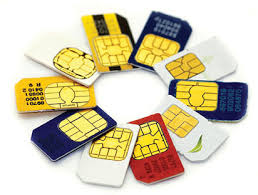
CBN, NCC Sign Agreement to Tackle SIM Fraud
The Central Bank of Nigeria (CBN) and the Nigerian Communications Commission (NCC) have signed a memorandum of understanding to tackle SIM-related fraud and strengthen consumer protection in Nigeria’s digital economy.
The agreement, signed at the CBN headquarters in Abuja, aims to improve coordination between the financial and telecom sectors, focusing on combating electronic fraud linked to mobile numbers and enhancing payment system integrity.
CBN Governor Olayemi Cardoso described the pact as “a practical statement of national interest,” stressing that growing reliance on digital channels requires stronger collaboration between regulators.
He explained that the deal would reinforce coordination on approvals, technical standards, and innovation trials, while improving responses to rising e-fraud. “Addressing these threats requires joined-up action, shared intelligence, clearer escalation paths, stronger operational readiness, and consistent public education,” Cardoso said.
A key feature of the agreement is the rollout of the Telecom Identity Risk Management Portal, a platform for real-time verification of mobile number status across banks and fintechs, helping detect fraud linked to recycled, swapped, or blacklisted lines.
NCC’s Executive Vice Chairman Aminu Maida called the MoU “an important milestone,” noting that collaboration between both institutions is “not optional; it is imperative.” He said the initiative would give financial institutions better visibility into phone numbers used in transactions.
The partnership builds on earlier joint efforts, including resolving the USSD pricing dispute, introducing a ₦6.98 per session fee, and developing a proposed 30-second refund framework for failed transactions.
Two joint committees will oversee implementation: one on payment systems and consumer protection, and another on telecom risk management. The regulators say the agreement will deepen financial inclusion, reduce fraud risks, and strengthen trust in Nigeria’s expanding digital economy.
