





It’s been a significant month for Australia’s ambitions to become a critical minerals superpower, while balancing its relationships with China and the United States.
Last Monday, Treasurer Jim Chalmers announced he had ordered six investors with links to China to sell off shares in Northern Minerals, an Australian rare-earths company developing the Browns Range project in Western Australia.
Then, on Thursday, mining company Arafura Rare Earths announced its planned Nolans rare earths mine in the Northern Territory would go ahead. This was after the federal government committed to purchase 500 tonnes of rare earths from the project for Australia’s Critical Minerals Strategic Reserve.
Both moves matter. One signals a big shift in how Australia screens foreign investments, moving from vetting transactions one by one to strengthening ongoing surveillance of foreign ownership and influence.
The other shows how Australia, aligned with the US, is moving to build its own critical minerals capability.
But this isn’t without risks. For the US, kicking out Chinese investment is a straightforward win for national security. But Australia also has to work out if it can build and run these expensive projects without Chinese participation.
Key components for EVs, wind and weapons
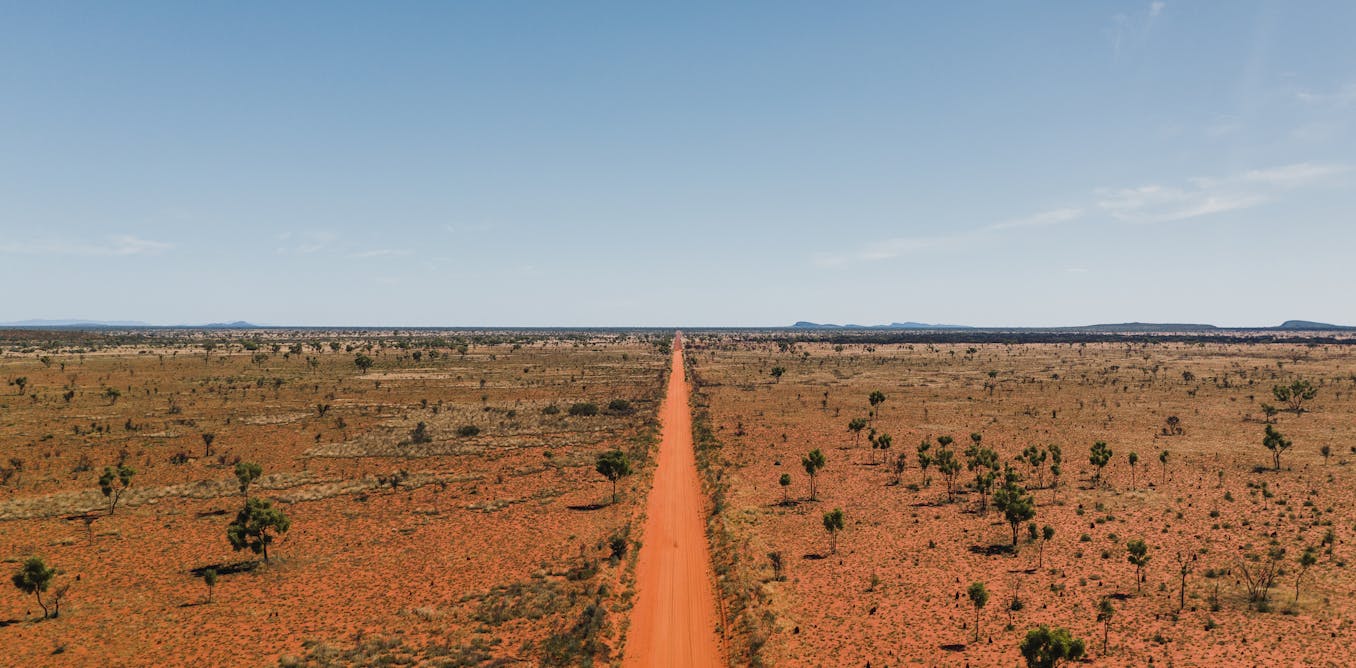
The Northern Minerals Browns Range project, located in northern Western Australia, is strategically important because it contains heavy rare earths – particularly dysprosium and terbium.
These elements are essential for high-performance magnets used in electric vehicles. They’re also used in offshore wind turbines and advanced defence weaponry.
Browns Range is one of the world’s few high-grade heavy rare-earth deposits outside China, and Northern Minerals is Australia’s only developer of this kind of asset. The company estimates that once in production, this mine could supply about 8% of global demand for these minerals.
Ordered to sell
The Chinese-linked investors in Northern Minerals, who together own a 17.58% stake in the company, have been given until July 2 to divest.
The federal treasurer didn’t go into specific detail about the reasons for that decision. But he said it was “consistent with advice from Treasury and the Foreign Investment Review Board and is about protecting our national interest”.
Australia’s Foreign Investment Review Board exists to advise the treasurer on whether specific foreign investments are good for Australia. And divestment orders like this are not unprecedented.
But the Northern Minerals case illustrates the stringent political conditions attached to financing critical minerals projects when alignment with the US is a factor.
How we got here
For Northern Minerals, this pressure hasn’t appeared overnight. The government has been applying it for years.
In 2023, Chalmers blocked a China-linked fund from expanding its stake in the firm. Then, in 2024, he ordered five foreign investors to sell their shares in the firm. This resulted in Federal Court action in 2025 after one investor ignored the order.
The message is clear: Australia’s foreign investment scrutiny now extends beyond the question of who owns the majority of a company on paper. It’s looking at:
- who else may be making decisions and pocketing profits, despite not being named on paper (something known as “beneficial ownership”)
- whether investors are passing shares to their own partner companies or allies when ordered to sell (known as “related-party transfers”)
- who has voting rights and potential board influence.
The fact an investor holds a minority stake is no longer automatically seen as low-risk.

Lukas Coch/AAP
Tensions between friends
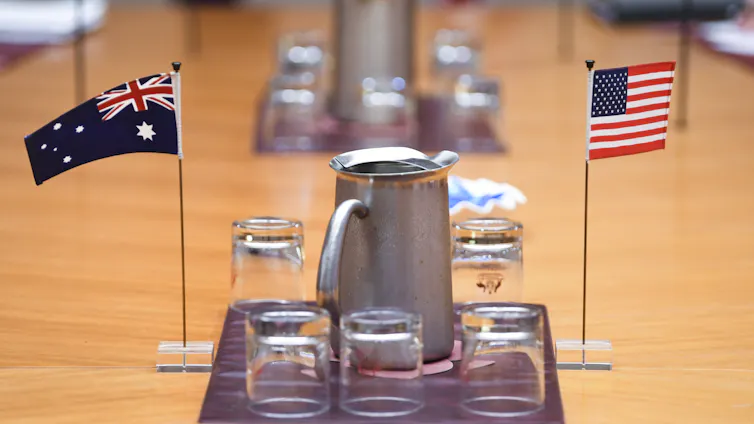
Competition between the US and China on critical minerals is intensifying. The US and its allies are increasingly coordinating efforts to reduce their reliance on China – which still dominates processing globally.
However, the US-led alliance faces deeper fissures than appear on the surface.
Washington is prioritising secure mineral inputs for defence manufacturing. Its industrialised allies in East Asia and Europe also want certainty of supply, but they don’t want to completely abandon low-cost, high-purity Chinese inputs.
For Australia, supply-chain security is important. However, it wants more. Its Critical Minerals Strategy document outlines a plan for more domestic processing to generate jobs and boost local industry long-term.
That is, Australia wants to outgrow its reputation simply as the “world’s quarry”, to do more with our minerals here instead.
Security is not capability
Across US-aligned countries, strategic reserves, guaranteed state buyers and allied export credits are turning rare earths into “credentialed commodities”. That is, their value depends increasingly on where they came from, rather than merely price and purity.
But blocking Chinese investment won’t automatically create Australia’s industrial capability.
The Perth-based Lynas Rare Earths illustrates this challenge. In 2025, it became the first non-Chinese operator to separate dysprosium and terbium at industrial scale. Although its output remains small in commodity-market terms, it proved China’s longstanding technical monopoly is not unbreakable.
But the company’s separation processes rely heavily on Chinese specialised equipment and chemical inputs.
The lesson for Australia is supply-chain security cannot be achieved through ownership changes alone. Beijing’s expanding export controls on rare-earth minerals, processing chemicals and refining equipment further entrench its leverage.
If security rules are applied too broadly, they could raise costs and complicate investment.
Ordering out Chinese investors – after transactions have occurred – also risks unsettling other foreign investors considering investing in Australia.
As a country with deep ties with both China and the US, Australia faces a hard balancing act in protecting its own interests, without putting either major power offside.


