







Perspectives
>
Second Opinions
— Here’s how to discuss the acetaminophen-autism controversy with pregnant patients
by
October 25, 2025 • 4 min read
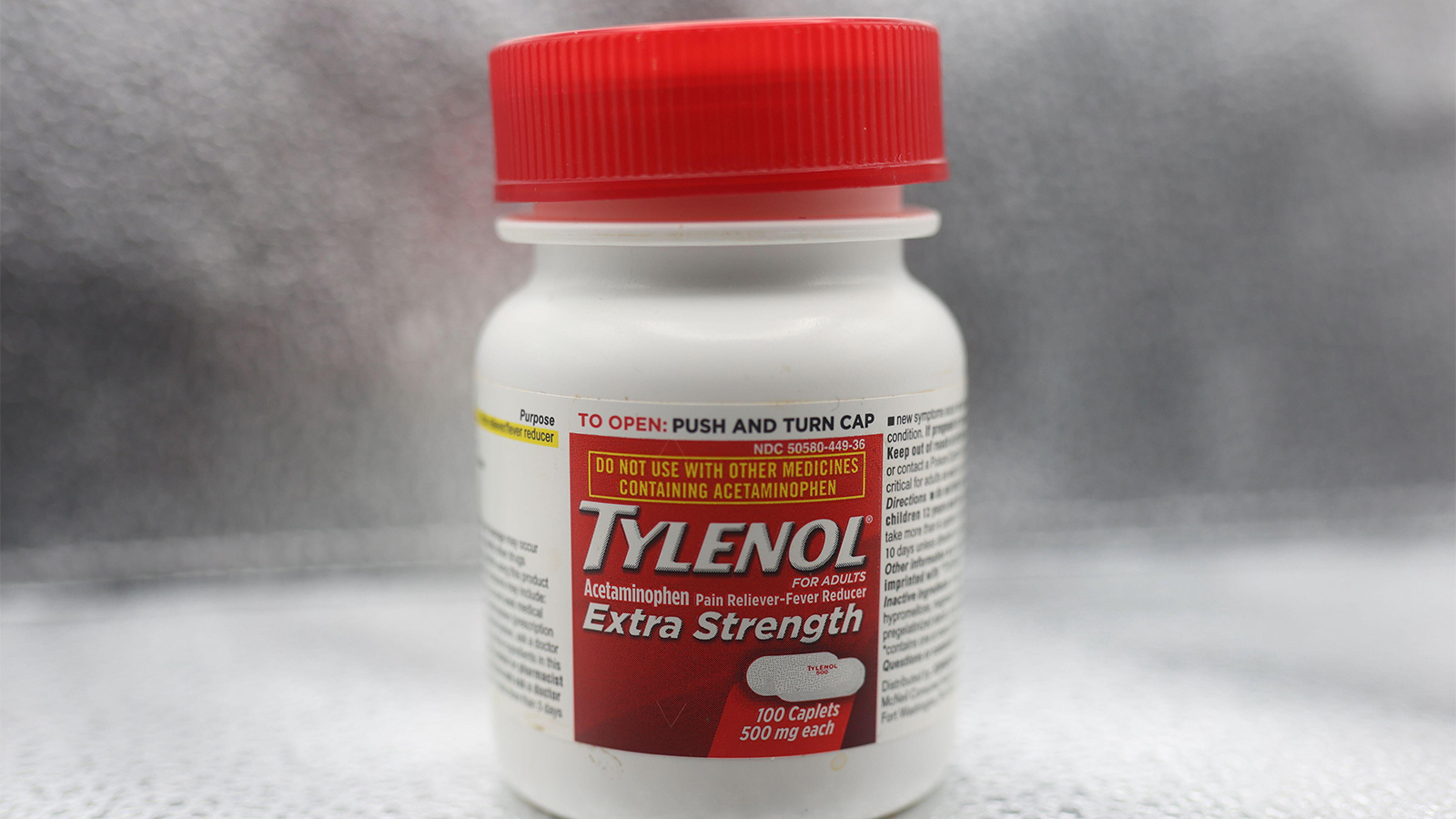
Last month, federal health authorities and President Trump publicized an unsubstantiated claim suggesting that acetaminophen use by pregnant women is associated with the development of autism in fetuses. This was coupled with a federal plan to change the label for acetaminophen (Tylenol and similar products) to reflect this purported link. The Informed Consent Action Network (ICAN), an anti-vaccine non-profit, also filed a citizen’s petition with the FDA to change the safety warning.
The current label instructs people who are pregnant or breastfeeding to “ask a health professional before use.” This is exactly the right approach. As an ob/gyn, I worry that a label change highlighting the unfounded risk will only add to the growing fear and confusion that my patients already have regarding acetaminophen use during pregnancy.
In the wake of the HHS secretary and president’s statement, I have been increasingly fielding anxious questions from my patients wondering whether taking acetaminophen for headaches or fever could have harmful consequences.
I’ve heard the fear in my patients’ voices. I’ve heard from patients with fever or headache who are now worried about following science-backed recommendations, who are hesitant rather than confident in their evidence-based decisions. Many of us have also taken phone calls from mothers of autistic children, wondering whether they made a poor decision during their pregnancy and should have “toughed out” the agonizing pain or let their fever go higher.
I always assure my patients of the facts: acetaminophen remains the safest option for pain relief and fever reduction during pregnancy. Yet, as doctors, we know that fear can be stronger than data.
While most over-the-counter pain relievers are not recommended for use during pregnancy, acetaminophen is backed by decades’ worth of research supporting its safety and efficacy. It is considered the safest option for managing mild to moderate pain like headaches, as well as fever, which can be dangerous if left untreated in pregnancy.
Unfortunately, governmental officials have been touting the few observational studies that do suggest a potential link between prenatal acetaminophen use and autism. These studies have generated understandable concern, not just among our patients, but even among fellow clinicians. As healthcare professionals, it’s critical for us to emphasize to patients the limitations in these studies and to highlight that no causal relationship has been established.
In contrast, several well-designed studies have found that acetaminophen does not cause autism. One prominent Swedish study looked at nearly 200,000 children born over a period of 25 years, comparing pairs of siblings to generate the best data analysis possible. This study concluded that acetaminophen use during pregnancy had no association with autism, attention deficit/hyperactivity disorder, or any intellectual disability.
I am very concerned that my patients are hearing the misleading warnings from the government — and could soon see unfounded warning labels — and believe that, by taking acetaminophen, they could be doing something wrong. That couldn’t be further from the truth. In fact, by avoiding acetaminophen during pregnancy, they may unintentionally expose their fetus to the very harms they seek to prevent, or potentially even greater risks.
Moreover, I worry that this may add to the growing trend of patients looking to “natural remedies” rather than traditional medications. While the intention behind this is understandable, it’s crucial to remind patients that this can do more harm than good. “Natural” does not always mean “safer.” The risks of pursuing natural remedies that haven’t been sufficiently studied outweigh any of the unsubstantiated risks associated with acetaminophen.
I also worry about my patients whose children have autism, and who are now dealing with undeserved guilt and self-blame. I have cared for so many women throughout their pregnancies. I’ve seen firsthand the lengths to which they go to give their children the healthiest possible start. That’s why it’s so unsettling for me to see our public health agencies stoking fear and potentially exposing people to harm.
As doctors, our job is to provide clarity in the face of misinformation. Now more than ever, it’s important to talk with our patients about potential concerns surrounding acetaminophen use and explain that it is not just safe, but beneficial when needed. We must also raise our voices to push back against the label change. This will only stoke baseless alarm in our pregnant patients. We must continue to guide our patients with compassion, clarity, and evidence — and keep fear from driving choices that should be grounded in science.
Steven Fleischman, MD, is the president of the American College of Obstetricians and Gynecologists. He is an ob/gyn in private practice with Sound Obstetrics and Gynecology, where he acts as the managing partner. Fleischman also serves as the associate chief of the department of obstetrics and gynecology at Yale New Haven Hospital, and is an associate clinical professor in the department of obstetrics, gynecology, and reproductive sciences at the Yale University School of Medicine, where he is actively involved in resident and medical student education.


